

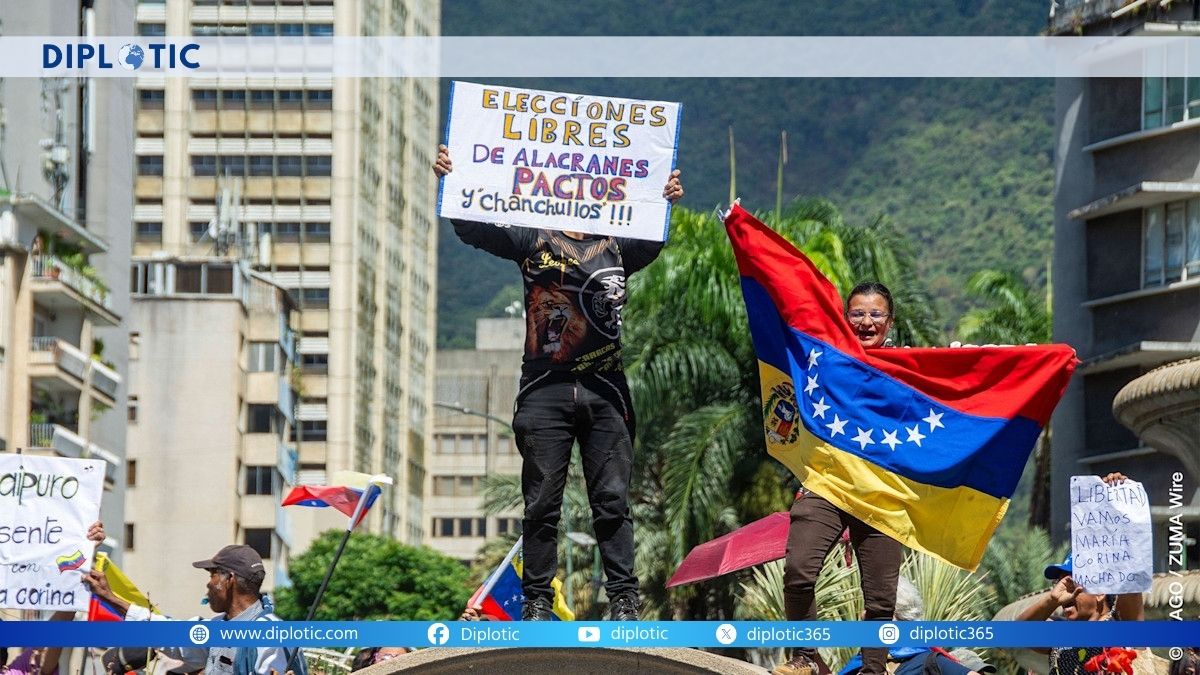
In the warm waters of the Caribbean, a quiet storm has been building for months. Since early September 2025, U.S. naval forces have targeted boats suspected of carrying drugs from Venezuela. These strikes have left at least 83 people dead, mostly at sea. Now, as President Donald Trump’s administration prepares for a new round of operations, questions swirl in Washington and beyond. Reports suggest covert actions could come first, followed by more open moves. The State Department has labeled a Venezuelan group tied to President Nicolás Maduro as a terrorist organization. This step opens doors to tougher measures. But as warships gather near the Venezuelan coast and troops number over 15,000 in the region, one fact stands clear: most Americans want no part in another foreign fight. This story digs into the push and pull of power, public will, and policy in a tense corner of the world.
What Sparked the Surge of U.S. Actions Against Venezuela?
Tensions between the United States and Venezuela did not start with these boat strikes. They trace back years, rooted in oil, politics, and a deep distrust. Venezuela sits on the world’s largest proven oil reserves, a prize that has long drawn eyes from afar. Under Maduro, who took power in 2013, the country has slid into crisis. Hyperinflation wiped out savings, food shortages sparked riots, and millions fled north. The U.S. has called Maduro’s rule illegitimate since his 2018 election, which many nations rejected as rigged. Sanctions followed, aimed at his inner circle and state firms. By 2025, these measures have squeezed Venezuela’s economy harder, but Maduro holds on, backed by allies like Russia and China.
The latest flashpoint is drugs. U.S. officials claim Venezuela has become a hub for cocaine heading to American streets. They point to the Cartel de los Soles, a network of military officers and officials accused of running the trade. On November 24, 2025, the State Department added this group to its list of foreign terrorist organizations. This label lets the U.S. freeze assets and target leaders more directly. Defense Secretary Pete Hegseth called it a tool against “narco-terrorism.” He said no option, even ground operations, is ruled out. Trump’s team argues these steps protect borders from a flood of narcotics. Over 100,000 pounds of cocaine have been seized in the region this year alone, much linked to Venezuelan routes.
But how did sea strikes enter the picture? It began on September 2, when U.S. destroyers fired on vessels off the coast. Officials said the boats ignored warnings and carried hidden loads. Each hit has drawn fire from human rights groups, who question if the targets were truly threats. Were civilians caught in the crossfire? Reports from the area describe fishing boats sunk, families lost at sea. Venezuela calls it aggression, a cover for invasion plans. Maduro has rallied troops and sought UN help. Analysts note the timing: with U.S. elections behind and domestic woes like inflation lingering, some see this as a distraction. A leaked memo from the Pentagon, dated October 15, outlines “escalation ladders,” from air patrols to possible port blockades.
This buildup mirrors past U.S. moves in Latin America, like the 1989 Panama invasion over drug ties. Back then, it ended a dictator’s rule but left a messy aftermath. Today, with 15 warships and joint exercises underway, the stage feels set for more. Yet legality hangs in doubt. The War Powers Resolution requires Congress to approve fights lasting over 60 days. Trump’s team leans on self-defense claims under international law. Critics say it stretches thin. As one former ambassador put it in a recent briefing, “Strikes at sea are easy; holding ground is not.” Venezuela’s military, though weakened, numbers 120,000 active troops, plus militias. Any land push could drag on, costing lives and billions.
The human side adds layers. Families in coastal towns grieve lost kin, while Venezuelan exiles in Florida cheer the pressure on Maduro. This mix of security needs and old grudges fuels the fire. What if these actions push allies away? Mexico and Colombia, key partners in drug fights, have urged talks over bombs. As the sun sets on another patrol, the question lingers: is this defense, or a step toward deeper war?
(Word count for section: 512)
Why Does the American Public Push Back on a Venezuelan Conflict?
Public views on foreign wars often shape policy, and in late 2025, they lean hard against action in Venezuela. A CBS News/YouGov poll from November 19 to 21 captured this clearly: 70 percent of Americans oppose military steps there. Just 30 percent back it. Even among Republicans, support dips below half. The survey asked about risks versus gains, and 56 percent said strikes would do little to cut drug flows into the U.S. People see the Caribbean as far off, not a direct threat. Only 15 percent call the situation a “national emergency,” per a YouGov poll earlier in the month.
Dig deeper, and reasons emerge. Cost tops the list. The U.S. spent $8 trillion on post-9/11 wars, with little to show but debt and doubt. Voters recall Afghanistan’s fall in 2021, a bitter end to 20 years. “Why bleed more for someone else’s mess?” one Ohio factory worker told pollsters. Drugs hit home—opioids claim 100,000 lives yearly—but many blame demand here, not supply chains abroad. A Reuters/Ipsos survey found just 35 percent favor force to stem narcotics. And only 29 percent support lethal action against suspects at sea. Ethics play in: three in four say Trump needs Congress’s nod first.
Party lines show splits, but unity on caution. Democrats oppose by 85 percent; independents by 72 percent. Republicans divide: MAGA backers more open, but traditional ones waver. Younger voters, hit by economic pinch, see war as a tax on their future. Women, often shapers of family budgets, lead the no camp at 75 percent. Regional views vary too. Floridians, with large Venezuelan communities, split evenly—exiles want Maduro gone, but fear chaos. Midwesterners, far from the action, shrug it off.
This mood echoes history. Vietnam turned a generation against drafts; Iraq soured trust in intel. Polls track a steady drop in intervention support since the 1990s. Today, 60 percent of Americans favor diplomacy over might, up from 45 percent a decade ago. Focus groups reveal fatigue: “Fix roads here before bombs there.” Media coverage sways too. Cable news airs strike footage, but local outlets stress home issues like jobs. Social trust erodes when leaders hide plans—68 percent in the CBS poll say the White House owes clearer goals.
What drives this wall of worry? Isolationism rises with populism. Trump’s 2016 win rode “America First,” promising less abroad. Yet here he tests that pledge. If polls hold, pressure builds for pullback. Lawmakers note it: midterms loom in 2026, and war votes cost seats. As one strategist said, “Public will is the real veto.” In diners and town halls, the message rings: solve drugs with trade and aid, not triggers. This groundswell could force a pivot, reminding leaders that wars win battles but lose elections.
(Word count for section: 478)
How Are Republicans Grappling with the Call to Arms in Venezuela?
Within the GOP, unity frays over Venezuela. Trump’s base cheers tough talk, but party elders and libertarians balk at endless fights. Senator Rand Paul of Kentucky led the charge against escalation. On November 23, he warned on national TV that invasion could “splinter the movement” that backed Trump. Paul, a non-intervention voice since his 2010 Senate run, drew fans for opposing Iraq and Syria strikes. He voted with Democrats on a bill to demand congressional okay for any action—a measure that failed 55-45 on November 6. Only he and Alaska’s Lisa Murkowski crossed lines among Republicans. Paul slammed the cartel terror tag as a “pretend war” shortcut, bypassing checks.
This rift runs deep. The GOP split into hawks like Senator Lindsey Graham, who push regime change, and doves like Paul, who eye costs. Senator Todd Young of Indiana voted against the war powers bill but voiced unease. In a statement, he said his no was no blank check for the White House. “Many aspects trouble me,” he noted, aligning with polls showing most Americans want troops home. Young, a moderate from farm country, fears blowback on trade. Indiana exports corn to Latin ports; blockades could hike prices.
History fuels the divide. Reagan’s Grenada raid in 1983 boosted GOP pride, but Bush’s Iraq quagmire scarred it. Trump’s first term saw Syria pulls and Venezuela sanctions, but no boots. Now, with Hegseth eyeing land ops, old guards stir. The Heritage Foundation, a conservative think tank, urged caution in a November 20 brief: “Target cartels, not capitals.” Even Fox hosts debate: some hail Maduro as a foe, others fret Russian ties.
Base views mirror this. Polls show MAGA Republicans twice as likely to back strikes as others. Yet town halls buzz with “no more forever wars.” Evangelical leaders, key to turnout, prioritize aid over arms—Venezuela’s 30 percent Christian rate tugs hearts. Donors too: Koch network cash flows to Paul’s allies, who fund anti-war ads.
As votes near on funding, pressure mounts. House Republicans hold slim edges; defections could stall bills. Paul predicts a “fracturing,” echoing 2018 Syria splits. If Trump pushes, will the party bend or break? Moderates like Young broker talks, eyeing 2028 primaries. This internal tug tests Trump’s grip. In smoke-filled rooms and Senate floors, the question echoes: can the GOP unite on strength without overreach? The answer may redefine its foreign stance for years.
(Word count for section: 412)
What Lies Beneath the Surface: Drugs, Alliances, and Paths to Peace?
The Venezuela standoff ties into wider webs of trade, terror, and talks. At core, it’s about cocaine: 90 percent of U.S.-bound supply passes Caribbean waters, per DEA stats. Venezuela’s role grew after Colombia cracked down in the 2010s. Maduro’s forces, cash-strapped, allegedly take cuts—hence the cartel label. But bombing boats treats symptoms, not roots. Experts say demand drives it all; legalize or treat addiction here, and flows slow.
Allies complicate matters. Russia arms Venezuela with Su-35 jets; China buys oil despite sanctions. A U.S. strike risks proxy clashes, like Syria’s tangles. Latin neighbors watch warily. Brazil’s Lula da Silva called for dialogue on November 22, fearing refugee waves—over 7 million Venezuelans roam the hemisphere already. Colombia, with 2.5 million hosts, strains under the load. Joint ops with the U.S. yield busts, but invasion talk sours trust.
Diplomacy flickers amid the noise. Trump hinted at Maduro chats last week, post-designation. Past efforts, like 2019’s Oslo talks, fizzled over egos. Norway mediated then; could it again? The UN Security Council meets December 5 on the strikes—China and Russia likely veto resolutions. Human rights probes by the OAS highlight abuses on both sides: Maduro’s jails hold 300 political prisoners; U.S. drone kills raise due process flags.
Broader angles reveal patterns. U.S. interventions in Haiti (1994) and Dominican Republic (1965) aimed at stability but bred resentment. Today, climate adds fuel: droughts hit Venezuelan farms, pushing migration and crime. Aid could help—$500 million in food stamps since 2020 eased some pain—but sanctions block full flow. Economists argue lift them for reforms: free elections, cartel trials.
What if peace sticks? A stable Venezuela cuts drug paths, stabilizes oil at $70 a barrel. But failure? Chaos like Libya post-Gaddafi: militias rise, borders bleed. As academics note, “Power vacuums invite worse.” Trump’s team weighs this, blending carrots and sticks. Hegseth’s “options” nod to flexibility. In quiet channels, envoys float asset thaws for Maduro steps down.
This puzzle demands balance: secure seas without scorched earth. As patrols hum, the real work may lie in boardrooms, not battlefields. Will leaders choose talks over triggers? The stakes touch every port and policy.
(Word count for section: 378)
From Panama’s streets to Caracas’ shadows, U.S. steps in Latin America echo across decades. Each promised quick wins but often sowed long doubts. Today, as polls chill war drums and party lines blur, Venezuela tests if lessons stick. A path of measured pressure—sanctions smart, aid ample, words weighted—could steady the region without scars. The choice now shapes not just borders, but belief in America’s reach. In the end, true security starts at home, with voices heard and costs counted. The Caribbean waits, waves lapping, for wisdom over wrath.




