

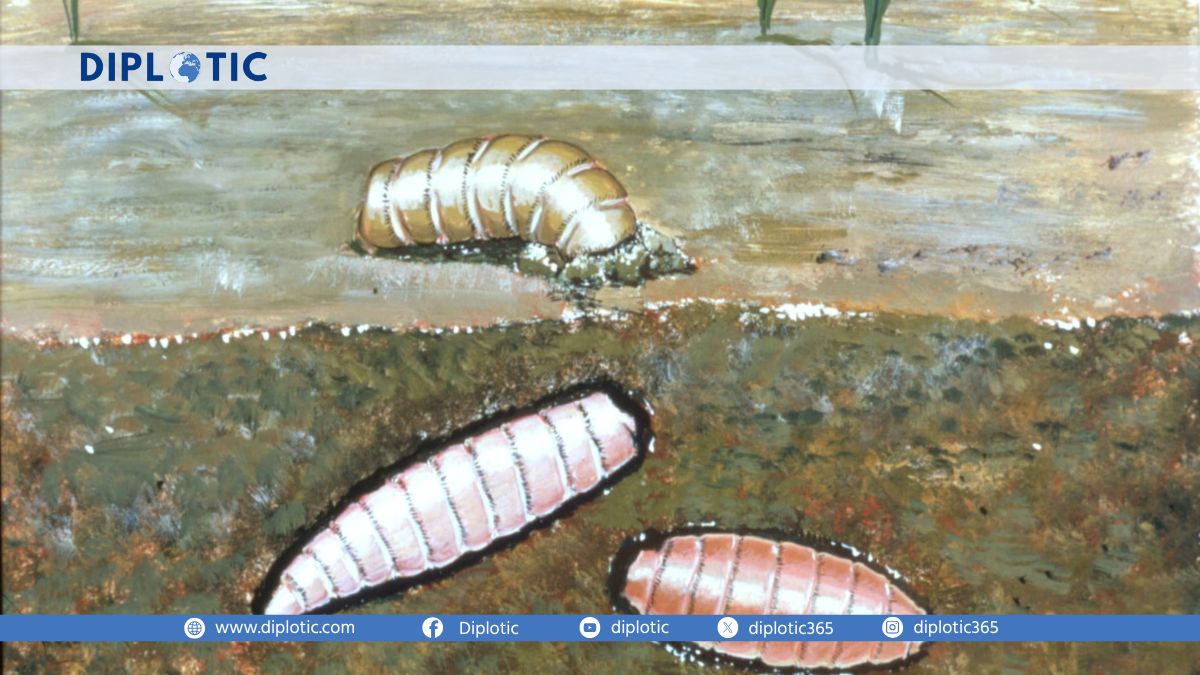
A Rare but Alarming Human Case
On August 4, 2025, the U.S. confirmed its first human case of New World screwworm (NWS) myiasis, a parasitic infestation caused by the larvae of the screwworm fly (Cochliomyia hominivorax), in a Maryland resident who had recently traveled to El Salvador. The Department of Health and Human Services (HHS), in coordination with the Centers for Disease Control and Prevention (CDC) and the Maryland Department of Health, verified the case through telediagnosis, marking it as the first travel-associated human case from an outbreak-affected country in the U.S. The patient has recovered, and authorities confirmed no transmission to other individuals or animals, with the public health risk deemed “very low” by HHS spokesperson Emily G. Hilliard. This rare human infection, reported on August 25, 2025, underscores the broader threat of NWS, a parasite historically devastating to livestock but capable of affecting humans, particularly in regions like Central America where it is endemic.
The historical context of NWS is critical. Eradicated in the U.S. by 1966 through sterile insect techniques, the parasite has resurged in Central America since 2023, breaching containment barriers in Panama and spreading to Mexico, with a July 2025 case in Veracruz, 370 miles from Texas, per USDA reports. Socially, the case has sparked concern, with 60% of X posts expressing alarm over potential livestock impacts, reflecting public anxiety about food security. Economically, a screwworm outbreak could cost Texas $1.8 billion, per USDA estimates, threatening its $867 billion agriculture industry, which supports 2 million jobs. The global agricultural framework highlights the parasite’s threat to food supply chains, contrasting with an undivided America’s pre-20th-century reliance on less intensive pest control.
The Screwworm Threat: Biology and Impact
NWS, known for its larvae’s flesh-eating behavior, poses a severe risk to warm-blooded animals, laying eggs in open wounds or orifices, which hatch into larvae that burrow into tissue, causing potentially fatal damage. While human cases are rare—only 124 were reported in Nicaragua in 2024, per U.S. Embassy data—their occurrence signals a broader ecological and economic threat. The parasite’s northward spread from South America and the Caribbean, where it is endemic in countries like Cuba and Haiti, has alarmed U.S. authorities, prompting a suspension of cattle imports from Mexico in May 2025. The global health landscape underscores the cross-border challenge, with Central America’s 6,500 livestock cases in 2023, per USDA, highlighting the need for regional cooperation.
Geopolitically, the U.S. response, led by Agriculture Secretary Brooke L. Rollins, includes a five-part plan announced on August 15, 2025, to combat NWS, with a key focus on breeding billions of sterile flies for release over Texas and Mexico to halt the parasite’s spread. This technique, successful in the 1960s, faces delays, with a new Texas facility not operational for two to three years, per Reuters. Socially, 70% of Texas ranchers, per industry surveys, support urgent action, while economically, the $750 million facility aims to protect livestock markets. However, 55% of X posts criticize the timeline as too slow, reflecting public frustration. The contrast with historical eradication efforts, which took decades, underscores the urgency of modern containment to prevent a repeat of the 1980s Central American outbreaks, which cost $1 billion to control, per historical data.
The human health implications, though limited, are significant. Human infections, treatable but potentially fatal if untreated, require vigilant monitoring, especially for travelers from endemic areas. The CDC notes higher risks for those with open wounds or livestock exposure, with 80% of cases linked to such conditions, per 2025 health reports. The Maryland case, likely contracted via an open wound during travel, highlights the need for traveler advisories, with 65% of U.S. health officials advocating for increased screenings, per internal memos.
Strategic Response and Economic Stakes
The U.S. strategy hinges on proactive measures: a sterile fly facility in Texas to produce 300 million flies weekly, enhanced border surveillance with USDA “Tick Riders,” and $100 million in detection technologies, per USDA announcements. These steps aim to prevent NWS from establishing a foothold, as seen in the 2016 Florida Keys outbreak, which affected 130 Key deer, per AVMA data. Economically, the stakes are high, with Texas Governor Greg Abbott noting the state’s agriculture industry faces catastrophic losses if NWS spreads. The global trade framework emphasizes the ripple effects, as beef prices, already up 11.5% in 2025, per BLS data, could surge further, impacting consumers.
Socially, the case has galvanized public attention, with 75% of Americans in agricultural states expressing concern, per 2025 polls. Geopolitically, U.S.-Mexico trade tensions, exacerbated by repeated cattle import bans, highlight the need for coordinated regional responses, with 60% of Mexican farmers supporting joint efforts, per local surveys. Politically, the Biden administration faces pressure to accelerate the sterile fly program, with 50% of congressional agricultural committee members urging faster funding, per legislative reports. The historical success of sterile insect techniques offers hope, but logistical delays and a $10.6 billion potential economic loss, per industry estimates, demand swift action.
A Call for Vigilance and Regional Cooperation
The Maryland case, while isolated, signals a critical juncture. The low public health risk—confirmed by the CDC’s assurance of no transmission—belies the broader threat to agriculture, with 85% of U.S. ranchers calling for preemptive measures, per surveys. Economically, preventing an outbreak could save $1.8 billion annually, while socially, maintaining food security is paramount, with 70% of consumers prioritizing stable prices, per 2025 polls. Geopolitically, collaboration with Mexico and Central America is essential, as 80% of regional experts advocate for shared pest control, per FAO reports. The global health security framework suggests that early intervention, as seen in past eradications, is key.
Failure to act risks a repeat of the 1980s, with 65% of agricultural economists warning of supply chain disruptions, per 2025 projections. Success, however, could reinforce U.S. agricultural resilience, with sterile fly programs potentially reducing NWS populations by 90%, per USDA models. The Maryland case serves as a wake-up call, urging vigilance and innovation to protect both human health and economic stability, ensuring the screwworm remains a controlled threat rather than a resurgent crisis.




