

A Costly Honor: The Financial Burden on U.S. Host Cities
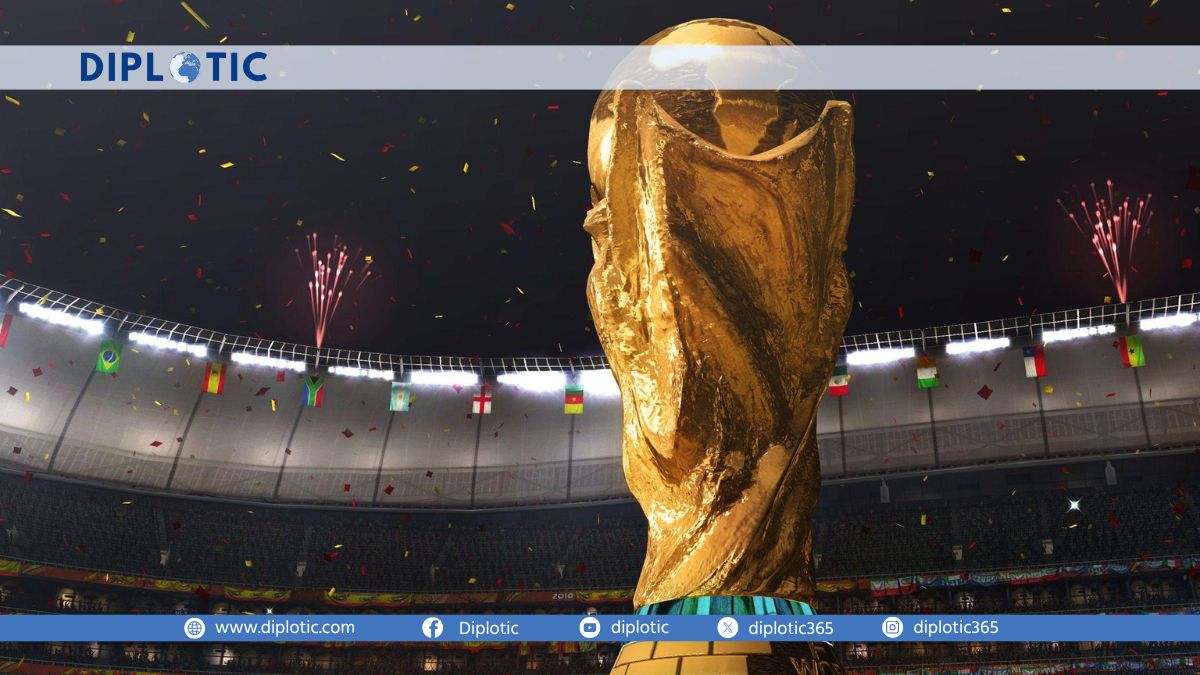
The 2026 FIFA World Cup, co-hosted by the United States, Canada, and Mexico, promises a global spectacle from June 11 to July 19, with 11 U.S. cities hosting 78 of the 104 matches, including all quarterfinals onward. Yet, the honor comes with a steep price. Local host committees, private entities tasked with organizing the event, face costs up to $150 million per city for logistics, transportation, and fan experiences, despite Congress approving $625 million in federal security funding via a FEMA grant program. Unlike the 1994 World Cup, which generated a $50 million surplus through a centralized committee, FIFA’s decentralized model for 2026 shifts financial and legal liabilities to local organizers. This shift, coupled with FIFA’s tight control over revenue streams like global sponsorships, ticket sales, and broadcasting rights, has sparked tensions. Historical parallels, like Brazil’s 2014 budget disputes, highlight the recurring friction between FIFA’s profit-driven approach and host cities’ fiscal constraints.
Budget Battles: Local Governments Scramble
U.S. host cities, including Atlanta, Boston, Dallas, Houston, Kansas City, Los Angeles, Miami, New York/New Jersey, Philadelphia, San Francisco Bay Area, and Seattle, are grappling with funding gaps. Georgia allocated $25 million for Atlanta’s Mercedes-Benz Stadium, hosting a semifinal. Washington state committed $47 million, largely for Seattle’s Lumen Field upgrades. Miami-Dade County pledged $46 million in subsidies, though fiscal pressures led Fort Lauderdale to redirect $350,000 to homelessness programs. Kansas City’s Wyandotte County considers a hotel tax, while Massachusetts Governor Maura Healey requested $20 million. California’s budget woes exacerbate tensions, with Los Angeles and the Bay Area receiving only $10 million and $7 million, respectively, prompting owners like Stan Kroenke (Los Angeles Rams) and the San Francisco 49ers to lobby for more. X posts reflect local frustration: “FIFA reaps billions while cities beg for scraps.” The $625 million federal security fund, passed in July 2025, eases some pressure, but non-security costs remain a local burden.
FanFest Fallout: Scaling Back a World Cup Hallmark
FIFA’s FanFest, a hallmark since 2006, offers free public viewing for non-ticketed fans, but its costs—up to $1 million daily per city—strain budgets. All Canadian and Mexican host cities committed to 39-day festivals, but fewer than half of U.S. cities, including Philadelphia, Dallas, Houston, and New York/New Jersey, will do so. Others, like Seattle and Boston, may limit events to match days or opt for non-FIFA-branded watch parties. Los Angeles plans a weeklong FIFA-approved FanFest at the Memorial Coliseum, followed by smaller regional events, prompting FIFA to threaten withholding public viewing licenses. A 159-page FIFA document dictates strict guidelines, limiting commercialization and increasing costs. In 2014, Recife, Brazil, faced similar FIFA threats, slashing its FanFest budget from $8.5 million to $4.5 million after protests. X users note: “Cities can’t afford FIFA’s party demands.” FIFA’s consideration of ticketed FanFests signals a potential shift, but plans remain uncertain.
FIFA’s Grip: Revenue Control and Sponsorship Limits
FIFA’s projected $13 billion revenue from 2023-2026 dwarfs its $3 billion staging cost, with global sponsorships (e.g., Adidas, Coca-Cola) fetching $50-$100 million each. Host committees, however, are restricted to local “Supporter Program” deals, capped at 10 per city and valued at $3-$5 million in less lucrative sectors like real estate. The Bay Area Host Committee, for instance, signed Boston Consulting Group and EA Sports outside FIFA’s framework, bundling World Cup, NBA All-Star, and Super Bowl events. FIFA’s control over high-value categories like beverages and autos limits local fundraising, as noted by a California lawmaker: “FIFA’s rapacious.” Host agreements, like the Bay Area’s $25 million Levi’s Stadium modification, mandate free transportation, police escorts, and no-cost services, further straining budgets. At least two committees confronted FIFA over these constraints, per insiders, highlighting a structural imbalance rooted in FIFA’s profit-first model.
Future Implications: Balancing Pride and Pragmatism
The White House Task Force, led by Andrew Giuliani, prioritizes security oversight, ensuring federal funds aren’t misused, particularly in “sanctuary cities” like Los Angeles and Seattle. Giuliani emphasized accountability, stating, “This isn’t a slush fund.” The task force, established by Trump’s March 2025 executive order, avoids budget disputes, leaving cities to navigate FIFA’s demands. If costs remain unchecked, deficits may fall to wealthy stadium owners, risking public backlash. Philadelphia’s $30 million for FanFest and 250th anniversary events shows commitment, but others may scale back, potentially dimming the tournament’s global shine. By 2030, unresolved tensions could deter future U.S. bids, as seen in Brazil’s post-2014 regret. Yet, economic projections—like Seattle’s $929 million boost—offer hope. X sentiment warns: “FIFA’s greed could sour America’s World Cup.” Success hinges on creative cost-sharing and federal support beyond security, ensuring cities showcase national pride without fiscal ruin.




