

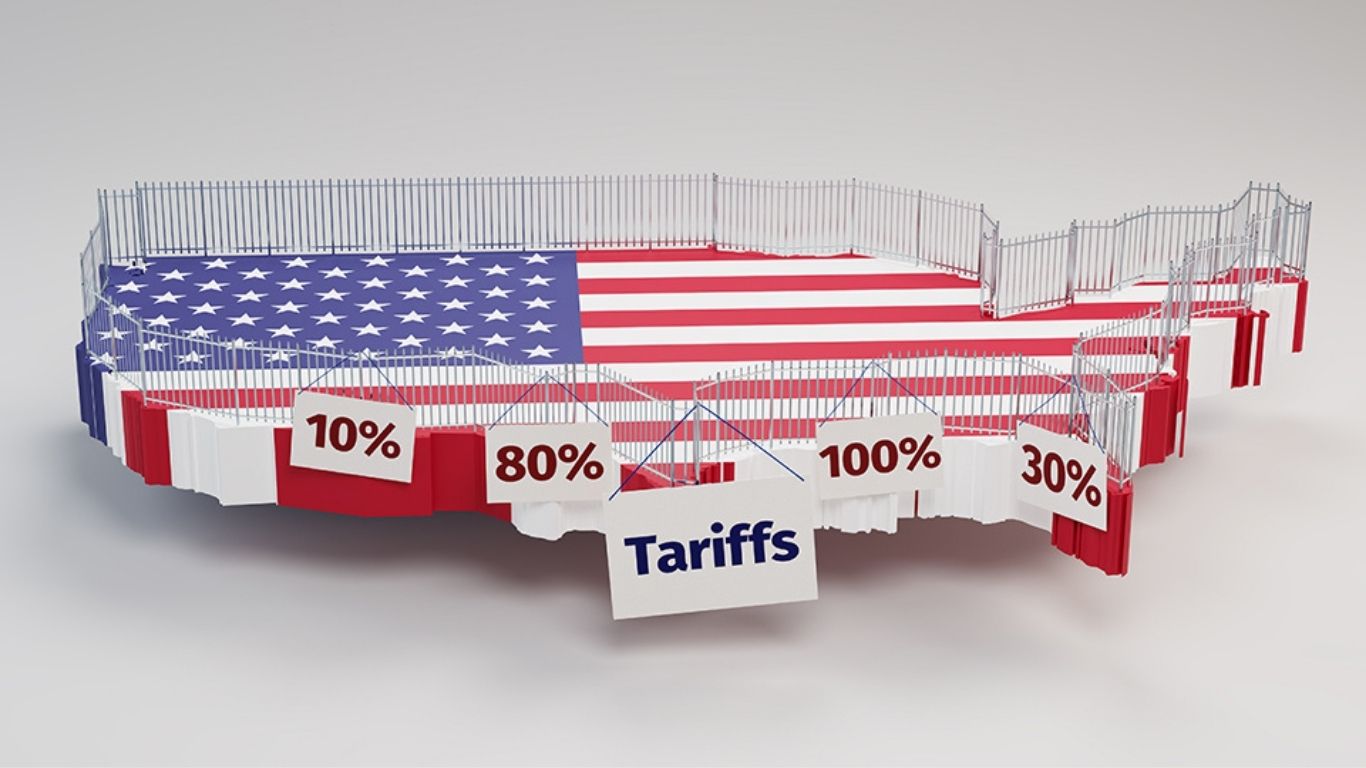
As the US economy navigates the turbulent waters of 2025, the impacts of recent tariff policies and shifting global dynamics are painting a complex, often contradictory picture. While headline data offers reasons for both optimism and caution, a closer look at growth, employment, inflation, and financial conditions reveals mounting challenges and the risk of stagflation on the horizon.
Growth at a Crossroads
The first quarter of 2025 marked a significant shift, with US GDP contracting by 0.3% the first negative print since early 2022. This downturn was largely driven by an unprecedented 41% surge in imports, as businesses and consumers rushed to stockpile goods ahead of tariff hikes. Consumer spending growth cooled to 1.8%, its slowest pace in nearly two years, while federal government expenditures fell sharply. Although fixed investment surged, the overall economic momentum has clearly slowed.
Looking ahead, most forecasts predict subdued growth for the remainder of the year. Nomura projects GDP growth of just 0.8% for 2025 levels not seen since the Great Recession, excluding the pandemic year. The drag from tariffs and global trade tensions is expected to persist, with some estimates suggesting a 0.6 percentage point reduction in annual GDP growth due to tariffs alone.
Labor Market: Resilient but Vulnerable
May’s jobs report brought a glimmer of hope, with 139,000 new jobs added and the unemployment rate holding steady at 4.2%. Sectors like healthcare and hospitality saw notable gains, but manufacturing and federal employment declined. Beneath the surface, however, there are signs of stress: downward revisions to previous months’ job gains and a decline in labor force participation signal that the labor market’s resilience may be waning.
Inflation: The Calm Before the Storm?
Inflation readings remain relatively contained for now, with core inflation at 2.8% in April its lowest in four years. However, this stability may be temporary. Economists warn that as businesses exhaust their inventory buffers, the full impact of tariffs will begin to filter through to consumers, pushing prices higher in the coming months. Survey data shows that a significant portion of manufacturers and service firms plan to pass tariff-related costs onto consumers, raising the risk of persistent inflation above the Federal Reserve’s 2% target.
Financial Conditions: Walking a Tightrope
Financial markets have remained buoyant, but risks are building beneath the surface. Stagflation a toxic mix of stagnant growth and rising inflation is becoming a real concern for analysts. The Federal Reserve faces a delicate balancing act: with inflation still sticky and growth slowing, policymakers have limited room to cut rates or deploy fiscal stimulus without risking further instability.
The Tariff Effect: More Harm Than Good?
Recent studies confirm that tariffs are weighing on the US economy. Durable manufacturing production could fall by nearly 12% by 2026, while agricultural output is projected to drop 7%. Tariffs are also expected to raise consumer prices by up to 1.5% in the short run, costing households an average of $2,000 in 2025 dollars. While some sectors like basic manufacturing may see modest gains, the broader economy is likely to suffer from higher costs, reduced exports, and lower investment.
Cautious Optimism or Gathering Storm?
The US economy in 2025 is at a crossroads. On one hand, the labor market remains relatively healthy, inflation is not yet out of control, and financial markets are stable. On the other, growth is slowing, inflationary pressures are building, and the risks from tariffs and global uncertainty are mounting.
The glass may appear half full for now, but the underlying trends suggest reasons for caution. Policymakers and investors will need to tread carefully as the full effects of tariffs and shifting global dynamics play out in the months ahead.




