

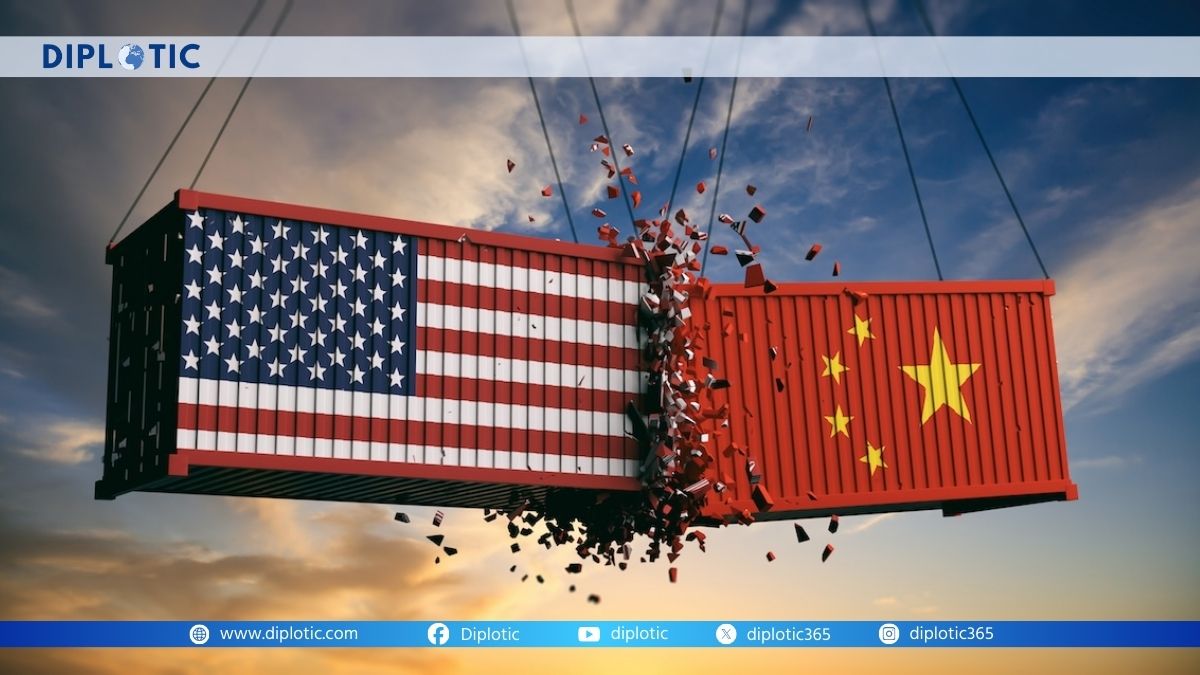
When Donald Trump took office again on January 20, 2025, the world watched closely to see how his return might reshape ties between the United States and China. His first term had brought a trade war that changed global supply chains and raised costs for businesses and consumers alike. Now, with promises of stronger policies to protect American interests, questions arose about whether old tensions would flare up or if both sides could find common ground. The year that followed showed a mix of sharp clashes and careful talks, as tariffs climbed and leaders tested each other’s limits. This story explores the key moves, the reasons behind them, and what they might mean for the future, drawing from a timeline of events that highlights the push and pull in this vital relationship.
How Did Early Actions Set the Stage for Renewed Tensions?
Right from the start, Trump’s second term signaled a focus on trade imbalances and security concerns with China. On his first day, he signed orders to review past deals, like the 2020 agreement where China had promised to buy more American goods but fell short due to factors such as the pandemic. This review aimed to check if China had met its commitments, especially in buying farm products and opening markets. At the same time, Trump delayed a ban on TikTok, giving its Chinese owner ByteDance more time to sell the U.S. part of the app or face restrictions. This move hinted at room for deals, but it also showed how tech and data security would stay central issues.
As weeks passed, tariffs became the main tool. In early February, Trump added a 10 percent duty on Chinese imports, linking it to efforts to stop fentanyl flows, though experts noted most of the drug came through other paths. China responded with duties on U.S. farm goods like soybeans and pork, hitting areas that supported Trump politically. This back-and-forth echoed the first trade war, where both sides raised barriers step by step. Background here matters: the U.S. had long worried about China’s subsidies in sectors like steel and tech, which it saw as unfair advantages. China, in turn, viewed U.S. moves as attempts to slow its growth.
By March, things heated up. Trump raised the tariff to 20 percent, again tied to drug concerns, while China hit back with more farm tariffs and controls on rare earth exports—key materials for tech and defense. These steps raised costs for companies on both sides. For instance, U.S. firms relying on Chinese parts faced higher prices, and Chinese exporters lost market share. Parallel to this, the U.S. added Chinese companies to lists that blocked tech sales, aiming to protect national security. China called these actions bullying and filed complaints at the World Trade Organization. Looking at related angles, this period also saw U.S. moves against other countries, like tariffs on Canada and Mexico, but China bore the brunt due to its large trade surplus with the U.S. Questions linger: Were these tariffs truly about drugs and security, or more about shifting economic power? The actions disrupted supply chains, forcing businesses to rethink where they source goods, and showed how intertwined the two economies remain despite the friction.
Why Did Tariffs and Controls Escalate So Quickly?
As spring turned to summer, the trade standoff grew sharper, with tariffs jumping higher and new controls limiting key resources. In April, Trump set a “Liberation Day” plan with a base 10 percent tariff on all imports, plus extra duties on cars, steel, and aluminum. For China, this meant rates up to 54 percent at first, then soaring to 145 percent by mid-year amid retaliations. China matched with duties up to 125 percent on U.S. goods, plus export curbs on rare earths and battery materials. These metals are vital for everything from phones to electric cars, and China supplies most of the world’s needs. By restricting them, China aimed to counter U.S. pressure, but it also slowed global tech progress.
Digging deeper, the reasons tie back to long-standing grievances. The U.S. argued China’s state support for industries like shipbuilding and semiconductors undercut American jobs. A report from January found China dominating these areas through subsidies, leading to U.S. fees on Chinese ships docking at ports. China saw this as protectionism, not fair play, and responded with probes into U.S. firms like DuPont and Google for monopoly issues. Related views from experts suggest both sides used these tools to gain leverage in talks. For example, when Trump threatened 100 percent tariffs over rare earth curbs, it pushed China to issue more export licenses, easing some shortages.
Other angles show how this affected daily life and broader goals. U.S. farmers felt the pinch from China’s farm tariffs, echoing losses from the first trade war. Meanwhile, controls on chips and software aimed to slow China’s AI growth, but they also raised costs for global firms. Why did leaders choose escalation over quick fixes? Perhaps to show strength at home—Trump to his base, Xi to maintain stability amid economic slowdowns. Yet, pauses in tariffs, like a 90-day truce in May, hinted at shared interests in avoiding full decoupling. Businesses adapted by shifting production to places like Vietnam, but this raised new questions about supply chain risks. The rapid rise in barriers tested resilience, revealing how dependent both nations are on each other for growth.
Can Negotiations Lead to Lasting Stability?
Mid-year brought a shift toward talks, as high tariffs proved unsustainable for both economies. In May, after rates hit peaks, U.S. and Chinese officials met in Geneva, agreeing to drop reciprocal tariffs to 10 percent for 90 days and suspend some controls. This deal included China easing rare earth exports and the U.S. lifting tech bans, showing compromise was possible. Follow-up meetings in London and Stockholm built on this, focusing on details like soybean purchases and fentanyl cooperation.
Exploring why talks worked, background reveals pressure from businesses and markets. High duties caused inflation in the U.S. and slowed China’s exports, pushing leaders to de-escalate. Parallel insights from past deals, like the 2020 Phase One agreement, show agriculture often bridges gaps—China pledged big soybean buys again, aiding U.S. farmers. Tech issues, like the TikTok sale, also progressed, with U.S. investors taking control in a deal that balanced security concerns.
But challenges remained. Disagreements over rare earth licenses led to threats, yet calls between Trump and Xi in June and September cleared hurdles. By fall, a Busan summit sealed concessions: lower tariffs, suspended port fees, and more farm trade. Trump even planned a China visit. What makes these talks fragile? Trust issues, with each side accusing the other of breaking promises. Related angles include global impacts—Europe gained rare earth access faster, hinting China used resources to build alliances. As winter approached, extensions and deals on chips like Nvidia’s H200 showed ongoing give-and-take. Negotiations offered hope, but underlying rivalries in tech and resources question if stability can hold.
What Broader Lessons Emerge from This Year of Rivalry?
As 2025 drew to a close, US-China relations under Trump 2.0 reflected a year of highs and lows, from tariff peaks to fragile truces. Deals on rare earths, agriculture, and tech eased immediate pains, but core disputes lingered. For instance, China’s export licenses flowed more freely by December, yet questions about military ties persisted. The U.S. extended tariff exclusions, signaling pragmatism, but probes into old deals like Phase One kept pressure on.
Connecting past to present, this echoes the first trade war but with new layers—AI chips and batteries now central, as both nations chase tech leads. Broader implications stretch globally: supply chains shifted, with emerging markets gaining from diverted trade, while consumers faced higher costs. Will these patterns lead to deeper divides or more balanced ties? The year’s events suggest cooperation is possible when interests align, like in fentanyl controls, but rivalry in strategic areas may endure. As leaders eye future meetings, the path ahead depends on balancing competition with shared gains, offering a cautious outlook for what comes next.




