

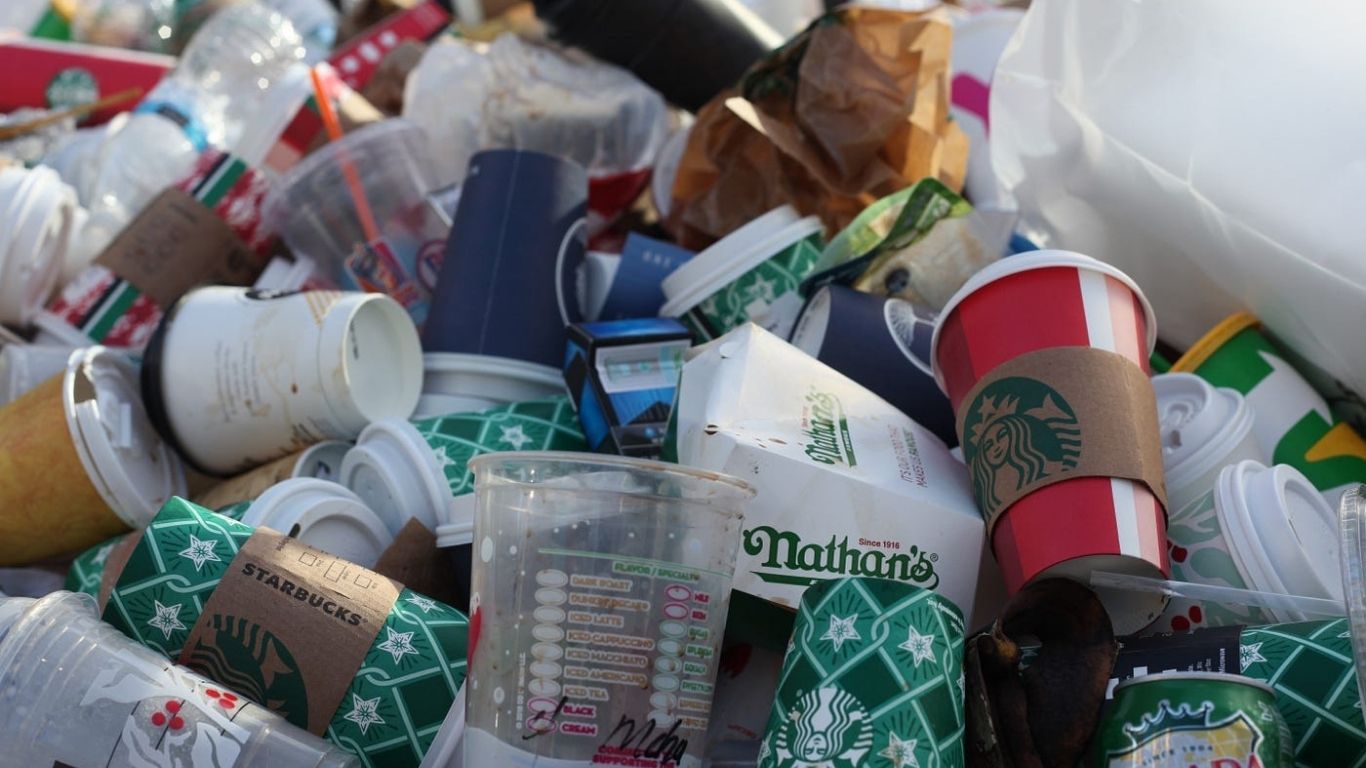
The Global Plastic Crisis: A Call for Action
Plastic pollution has become one of the most pressing environmental issues of the 21st century. With millions of tons of plastic waste entering the oceans annually, the need for a comprehensive global response is undeniable. In March 2022, the United Nations Environment Assembly (UNEA) adopted a resolution to end plastic pollution, setting the stage for the development of a legally binding international treaty. This treaty aims to address the full lifecycle of plastics, from production to disposal, and to mitigate their environmental and health impacts.
However, as negotiations progress, significant challenges have emerged. A recent draft of the treaty has been met with widespread criticism for its lack of ambition and failure to address key issues such as limiting plastic production and regulating harmful chemicals used in plastic products. This has led to a deadlock in the negotiations, with countries divided over the treaty’s scope and effectiveness.
The Stalemate: Production Limits and Chemical Regulations
The primary point of contention in the treaty negotiations revolves around whether to impose caps on plastic production and regulate the chemicals used in plastic products. Approximately 100 countries advocate for production limits and stricter chemical controls, arguing that without addressing these fundamental issues, the treaty will be ineffective in combating plastic pollution. These nations emphasize the need for a comprehensive approach that tackles the root causes of plastic pollution, rather than merely managing its symptoms.
In contrast, oil- and gas-producing nations, along with the plastics industry, oppose such measures. They argue that limiting production would harm economic interests and that the focus should instead be on improving waste management, recycling, and product redesign. These stakeholders contend that technological advancements and voluntary commitments can mitigate plastic pollution without the need for stringent regulatory measures.
The latest draft of the treaty reflects this divide. It acknowledges the unsustainable levels of plastic production and consumption but stops short of imposing binding limits. Furthermore, it lacks provisions to regulate harmful chemicals used in plastic products, a significant oversight given the growing concerns over the health impacts of these substances.
Discontent Among Nations: Calls for a Stronger Treaty
The lack of a robust approach in the draft has led to widespread dissatisfaction among many countries. Delegates from nations such as Colombia, Panama, and Canada have expressed strong opposition to the current text, describing it as unbalanced and lacking the ambition needed to effectively combat plastic pollution. These countries argue that the treaty must include binding commitments to limit plastic production and regulate harmful chemicals to be truly effective.
Environmental groups have also voiced their concerns, criticizing the draft for favoring economic interests over environmental protection. Organizations like Greenpeace and the World Wildlife Fund have warned that without stringent measures, the treaty will fail to address the scale of the plastic pollution crisis. They call for a treaty that holds all countries accountable and ensures meaningful action to reduce plastic production and consumption.
The Road Ahead: Negotiations and Potential Outcomes
As the final day of negotiations approaches, the future of the treaty remains uncertain. The chair of the Intergovernmental Negotiating Committee, Luis Vayas Valdivieso, has urged delegates to build bridges and find common ground, emphasizing the need for a legally binding instrument. However, with significant divisions remaining, it is unclear whether a consensus can be reached.
The outcome of these negotiations will have far-reaching implications. A weak treaty may fail to curb plastic pollution effectively, leading to continued environmental degradation and health risks. Conversely, a strong, binding treaty could set a global precedent for environmental governance, demonstrating the international community’s commitment to addressing pressing ecological challenges.
In conclusion, the deadlock in the UN plastic pollution treaty negotiations highlights the complex interplay between environmental protection and economic interests. As the world grapples with the pervasive issue of plastic pollution, the decisions made in these negotiations will shape the future of global environmental policy and determine the effectiveness of international efforts to safeguard the planet for future generations.




