

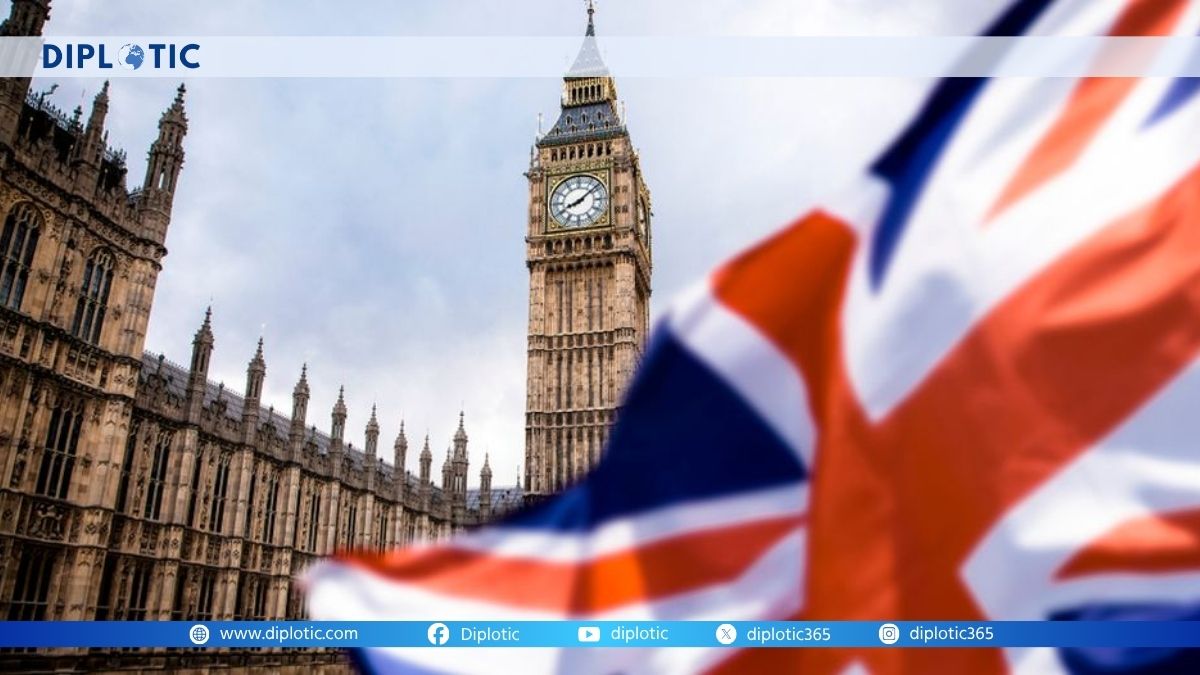
As Home Secretary Shabana Mahmood prepares to unveil sweeping changes to the asylum system, the nation grapples with a reality where illegal crossings have surged past 39,000 this year alone—more than all of 2024. These arrivals are not just numbers; they strain communities, fuel debates, and test the limits of a system once seen as a beacon of compassion. Mahmood, daughter of lawful migrants from the late 1960s, calls this a “moral mission” to mend a broken framework that she believes is tearing the country apart. But as policies shift toward stricter controls, questions linger: Will these measures deter the smugglers and restore public trust, or will they deepen the divides they aim to heal? This overhaul, drawing lessons from Europe’s neighbors, arrives at a pivotal moment, inviting us to explore the roots of the crisis and the paths forward.
Why Is Illegal Migration Straining the UK’s Social Fabric?
The sight of overcrowded dinghies bobbing toward Dover has become a grim routine, but behind each voyage lies a web of global pressures that push people toward Britain’s shores. In the year to March 2025, asylum claims reached 109,343—a 17 percent jump from the previous period—driven by conflicts in Syria, Afghanistan, and Sudan, alongside economic despair in parts of Africa and the Middle East. Smugglers exploit these vulnerabilities, charging thousands for perilous journeys that claim lives and evade borders. Yet, the strain is not just at sea; it ripples through everyday life in towns like Margate or Ramsgate, where local services stretch thin. Schools overflow, housing waits lengthen, and health clinics face queues that blend locals with newcomers. This influx, while a fraction of legal migration, amplifies feelings of unfairness, as some communities perceive asylum seekers receiving hotel stays or allowances that echo privileges long out of reach for struggling Britons.
Delving deeper, the roots trace back decades. Post-Brexit border freedoms ended, but the pull of English language, family ties, and perceived opportunities remains strong. Many arrive after rejections elsewhere in Europe, viewing the UK as a last resort. Economists note that while refugees often contribute over time—through taxes and labor—the initial costs hit public budgets hard, with processing backlogs exceeding 100,000 cases. This delay fosters limbo, where people linger in temporary setups, unable to work or integrate fully. In quieter corners of the debate, experts point to “pull factors”: tales spread by networks promising free support, which smugglers weaponize to lure clients. A Syrian father might hear of steady meals in taxpayer-funded hotels, unaware of the isolation that follows. Such narratives breed resentment, as Mahmood has observed, dividing neighbors who once shared pub chats without a second thought.
Consider the human layer: in 2025, over 10,000 small boat arrivals occurred since September, outpacing 2023 but echoing 2022’s peak. These are not faceless invaders but individuals fleeing war’s shadow—women clutching infants, men scarred by conscription. Yet, public surveys reveal a growing unease; polls show two-thirds of voters prioritize border control, linking it to housing shortages and NHS strains. This sentiment simmers in places like Boston, Lincolnshire, where migration shaped the Brexit vote. Parallel to this, legal routes falter: visa caps and family reunion limits leave many no choice but risky crossings. Investigators uncover how criminal gangs, from Albanian ports to Libyan deserts, orchestrate these flows, profiting billions while governments play catch-up. The result? A system where 10 percent of asylum seekers can work legally but few do, seen as freer than social housing tenants bound by rules. As crossings climb—1,069 in the past week alone—the question sharpens: Is this pressure a symptom of global instability, or a failure to signal clearly that irregular paths lead nowhere? Understanding this tension sets the stage for reforms that must balance security with humanity, lest the fabric frays further.
(Word count: 512)
What Changes Is Home Secretary Mahmood Proposing to Restore Fairness?
At the heart of Monday’s announcement lies a bold reset: transforming indefinite refuge into a pathway lined with checks and longer horizons. Mahmood’s blueprint extends the wait for permanent settlement from five years to 20, while introducing reviews every two-and-a-half years. If a home country stabilizes—say, parts of Syria deemed safe—refugees must return, ending the “golden ticket” of lifelong status. Housing and weekly allowances turn discretionary, stripped from those able to work but choosing not to, aiming to instill responsibility. For the compliant—those using safe routes, finding jobs, and weaving into communities—earlier settlement beckons, though timelines stay vague. This isn’t mere tinkering; it’s a structural shift to deter arrivals by dimming the UK’s allure, targeting the 39,000-plus boat crossings that mark 2025’s toll.
Mahmood frames it as equity: why should asylum seekers, arriving unlawfully, enjoy hotel comforts denied to citizens on waiting lists? She draws from personal roots—her parents’ legal arrival in the 1970s—to argue that lawful migration built Britain, but abuse erodes consent for the system. Criminals peddle myths of endless bounty, she says, inflating demand and costs. By making support conditional, the policy nudges self-reliance, echoing principles where breaking laws—like working illegally—costs accommodation. Practicalities unfold gradually: legislative tweaks to Article 8 of the European Convention on Human Rights may limit family life claims in deportations, while enforcement ramps up returns. Yet, details on appeals or child impacts remain hazy, leaving room for scrutiny.
This approach probes deeper fairness angles. Currently, only a sliver of claimants integrate swiftly; most idle in limbo, costing millions weekly. Mahmood’s vision flips this, fostering contribution over dependence. Imagine a granted refugee, post-review, securing a warehouse job in Manchester—taxes flowing back, skills shared. But what of the vulnerable, like trauma survivors unfit for quick labor? Safeguards promise discretion, yet implementation hinges on caseworkers already overburdened. Broader context reveals parallels: similar caps in Canada tie status to integration metrics, yielding higher employment rates among newcomers. In the UK, this could reclaim public goodwill, as Mahmood urges, by aligning asylum with merit. Critics whisper of cruelty, but proponents see salvation—a system where refuge is earned, not assumed. As boats still launch from French beaches, the core query persists: Can these levers pull back the tide without pulling apart the compassionate core that defines Britain?
(Word count: 428)
Could Denmark’s Model Offer a Blueprint for Britain?
Across the North Sea, Denmark’s quiet efficiency in curbing inflows provides a tantalizing template, one Mahmood openly admires. Since the center-left Social Democrats tightened rules in 2021, temporary permits—renewed biennially—have slashed asylum grants by half, with returns rising as countries like Tunisia are labeled safe. Foreign Minister Lars Løkke Rasmussen explains it as dual messaging: stern to smugglers, welcoming to needed skills. Refugees integrate via language mandates and job placements, yet face revocation if ties to Denmark weaken. This balance—low arrivals, high legal migration—has stabilized politics, avoiding the far-right surges seen elsewhere in Europe.
Translating this to Britain invites curiosity: Would periodic reviews truly empty the Channel? Denmark’s success stems from scale—fewer applicants, swift decisions under six months versus the UK’s multi-year delays. Their “jewelry law,” seizing valuables for costs, sparked outrage but clarified no free rides. Mahmood’s nods to this include discretionary aid, mirroring Danish expectations of contribution. A Syrian resident there, enduring 13 years of renewals, describes the toll: constant rebuilding under threat, hindering roots. Still, integration thrives; 70 percent of refugees work within years, bolstering welfare without resentment.
Yet, Britain’s context differs sharply. Island geography amplifies boat dramas, unlike Denmark’s land borders with shared EU pacts. Cultural ties—diasporas in London or Birmingham—pull stronger than Copenhagen’s pull. Experts like Madeleine Sumption from the Migration Observatory caution that policies alone rarely sway decisions; language and kin matter more. If smugglers adapt, rerouting via Ireland, the model falters. Parallel insights emerge from Australia’s offshore processing, which deterred boats but at ethical costs, stranding thousands. Denmark avoids such extremes, focusing integration over isolation. For the UK, adopting elements—like work rights for all claimants, as Lib Dems propose—could enhance the blueprint, turning temporariness into opportunity.
Mahmood’s hybrid seeks this: reviews not as punishment, but progress markers. If a refugee thrives, status solidifies; if not, return looms. This probes equity’s edges—fair to taxpayers, firm to rule-breakers. But whispers from Danish lives, like Agob’s unease, remind us: uncertainty embeds deeply, stunting lives. As Britain eyes this path, the question evolves: Can a neighbor’s pragmatism bridge our divides, or will cultural chasms demand a uniquely British adaptation?
(Word count: 412)
As Voices Clash, Can These Reforms Unite or Further Divide?
The announcement’s echo chamber buzzes with contention, from Labour backbenchers decrying “far-right echoes” to Conservatives branding it superficial. Clive Lewis warns of voter flight to Greens, while Chris Philp pushes deportation within weeks, eyeing ECHR withdrawal. Lib Dem chief Ed Davey counters with work rights, arguing self-sufficiency slashes support needs and boosts economies. Refugee Council head Enver Solomon laments the 20-year limbo, predicting anxiety over contribution. These rifts mirror a nation at odds: compassion versus control, global duty versus local strain.
Mahmood rebuts with resolve—her migrant heritage fuels the fight against a system abused by gangs, not genuine seekers. By curbing “pulls,” she aims to preserve asylum’s legitimacy, lest public backlash dismantles it. Yet, opposition uncovers angles: the 17 percent claims rise stems less from generosity than global woes, per analysts. Stricter rules might redirect flows to France or Germany, already burdened. Ethically, reviews risk erroneous returns, as seen in past Rwanda fiascos. Economically, idle talent drains potential; granting work universally could add billions, studies suggest.
This clash invites broader reflection. In diverse Leeds, Mahmood’s constituents blend old and new arrivals, pressuring unity. Reforms could heal if paired with community funds, easing integration. But without, they risk alienation, as Danish uncertainties show. Philp’s haste overlooks appeals’ humanity; Davey’s pragmatism nods to evidence—asylum workers fill care gaps. Solomon’s call for timely decisions hits home: backlogs breed chaos. As debates unfold, the pivot lies in balance—firm borders, open paths for the deserving.
Ultimately, these voices test democracy’s pulse. Will reforms, born of division, forge consent? Or amplify fractures, echoing Brexit’s scars? Mahmood’s mission, rooted in fairness, holds promise if tempered by listening. In a world of flux, Britain’s choice shapes not just shores, but its soul—reminding us that true strength lies in systems that welcome the worthy while guarding the whole.
(Word count: 378)
From Channel crossings to parliamentary halls, this overhaul threads past migrations—lawful waves building empires—with today’s tempests. If successful, it reclaims a humane core, ensuring refuge endures as merit, not mishap. Yet failure looms in unheeded critiques, widening rifts in a tapestry already threadbare. As 2025 closes, the boats may slow, but the deeper voyage—toward a united, equitable Britain—presses on, demanding vigilance from all.




