

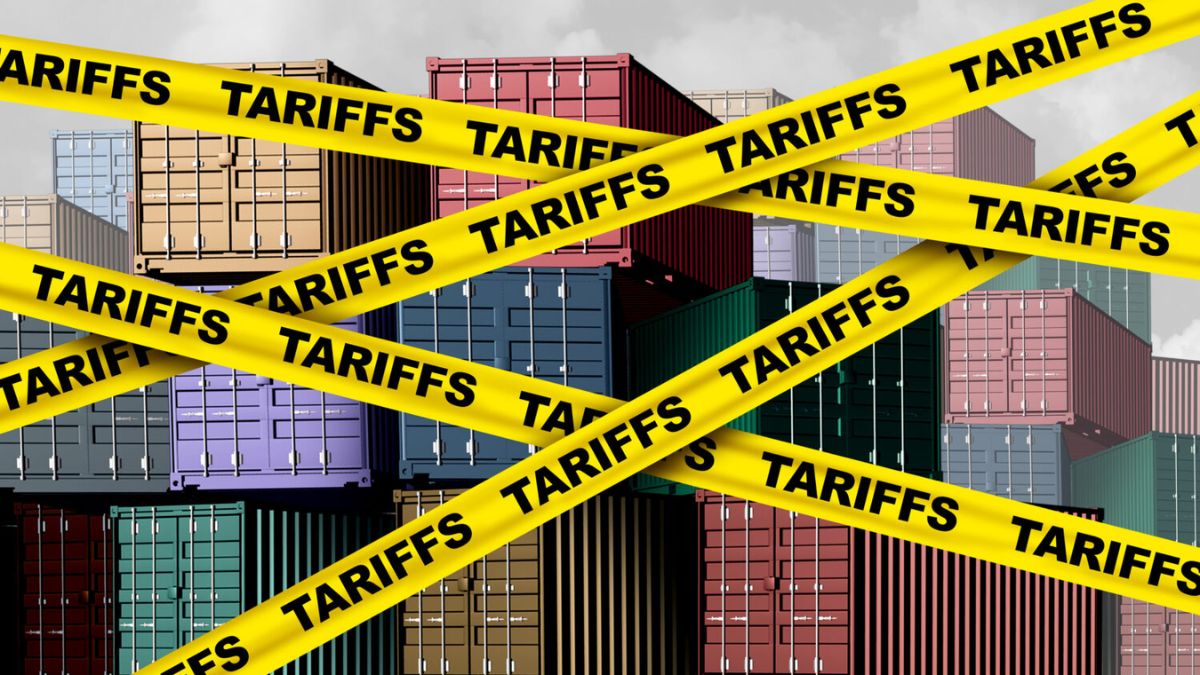
So, here we are again. Another week, another round of trade drama. This time, the markets are all eyes on U.S. President Donald Trump and his latest tariff deadline. With the clock ticking down on Tuesday, the world waits to see what will happen next with the tariffs on Mexico, Canada, and, of course, China. It’s like a bad rerun of a reality show, except the stakes are a bit higher. We’re talking about taxes that could disrupt international trade, disrupt the global economy, and disrupt your morning cup of coffee if the price of imports rises.
Let’s take a deep breath (maybe not too deep, considering the circumstances) and unpack what’s going on here.
1. Tariffs on Mexico and Canada: The Clock Is Ticking
The buzz in Washington is all about the tariffs that are set to be imposed on Mexico and Canada. You’d think it’s just another day at the office for the Trump administration, but this is about more than trade.
Secretary of Commerce Howard Lutnick spilled the beans on Sunday, confirming that the delayed tariffs will go into effect on Tuesday. But, as with most things under this administration, it’s not as simple as it seems. Apparently, these tariffs are still “fluid.” So, what does that mean? Well, let’s break it down for you: While Trump has guaranteed a 25% tariff on Mexican imports and non-energy goods from Canada, the final numbers remain up for grabs. Lutnick says Trump and his team will be calling the shots here.
The real question is: what’s going to happen next? It’s anyone’s guess. The clock’s ticking, but it feels like we’re still in the waiting room, trying to figure out which way the doctor’s going to go.
2. The Impact of These Tariffs: Are We Heading for a Slowdown?
Now, let’s talk about what this means for the broader economy. Economists, those brave souls who somehow still have faith in numbers, are starting to sound alarms. Tariffs are often portrayed as a quick fix to trade imbalances, but the reality is messier.
Warren Buffett, a guy who knows a thing or two about markets, called tariffs “an act of war” over the weekend. Now, don’t panic – he’s not suggesting we’re about to break into battle gear. But he’s absolutely right that tariffs aren’t some harmless little tweak. They’re like a tax on goods. Simple as that. And who ends up paying? Spoiler alert: it’s you and me, the consumers.
If the dollar strengthens, U.S. goods might get pricier for foreign buyers, weakening the competitiveness of American exports. Not exactly the kind of outcome President Trump was hoping for, right?
So, while the government may think it’s pushing back on China and Mexico, the reality is that tariffs could fuel inflation and hurt the average Joe or Jane. But, hey, that’s the price of politics, right?
3. ISM PMI & Payrolls: The Health of the U.S. Economy
Moving away from Trump’s trade escapades for a second, let’s focus on some hard data—because, at the end of the day, numbers don’t lie. Or do they?
This week, investors will be glued to the release of the ISM PMI report (that’s the Institute for Supply Management’s Purchasing Managers’ Index, for the uninitiated). This report gauges U.S. factory activity, and it’s expected to come in at 50.6 for February, just a tiny drop from January’s 50.9. If you’re wondering, anything above 50 means growth—below 50, we’re talking contraction.
It’s a mixed bag, really. Manufacturing activity grew for the first time in over two years last month, but with all the tariff talk, economists are scratching their heads. Will these trade policies strengthen or hurt U.S. manufacturing? Guess we’ll find out soon enough.
And then, there’s the monthly payroll report. If you’ve been living under a rock, the jobs report is the ultimate health check for the U.S. economy. Forecasts are predicting the economy added around 156,000 jobs in February—an improvement over January’s 143,000. But even with that increase, inflation’s still lurking in the shadows, creating a complicated picture for the Federal Reserve.
4. Bitcoin and the White House Crypto Strategy
In a world where digital currency feels like a distant dream or a sci-fi movie, Trump’s been making waves with his announcement about a U.S. “crypto reserve.” And yes, that includes Bitcoin. It’s not all doom and gloom when it comes to this administration. Trump recently revealed that Bitcoin, along with Ether, Solana, XRP, and Cardano, will be part of a strategic reserve. It’s a surprising move, to say the least, given the mixed sentiment surrounding digital currencies from the government in the past.
Bitcoin reacted in kind, rising sharply after the announcement. Funny how that works, right? When the White House gets behind something, the market tends to listen.
But wait, there’s more. Trump has also called for a regulatory framework on crypto, which could create a whole new set of rules. But don’t expect any grandiose declarations just yet. It’s still unclear what this means for Bitcoin’s future. Will the White House be the savior of digital currencies or will they throw a wrench into the gears? Only time will tell.
5. China’s Economic Woes and What’s Next
Meanwhile, across the globe, China is facing its own set of challenges. The Chinese economy is struggling with a weak real estate market, sluggish domestic demand, and those pesky trade tensions with the U.S. But there’s a glimmer of hope. According to recent reports, China’s export business showed a modest increase last month. This was a surprise, considering the larger economic backdrop.
The real question is whether this uptick can be sustained or if it’s just a flash in the pan. The National People’s Congress is meeting this week, and investors will be watching closely for any new measures to stimulate China’s economy. Some analysts are hoping for a more aggressive response, but others warn that China’s growth might be slow to rebound.
6. ECB Rate Decision: A Precarious Situation
Let’s wrap it up with a little European drama. The European Central Bank (ECB) is expected to cut interest rates yet again this week, but there’s some uncertainty about what happens next. The global economic landscape is far from stable, with trade wars looming, political unrest brewing, and a strong dollar putting pressure on the Eurozone. What does this mean for European economies? Well, your guess is as good as mine.
Markets are predicting a 25-basis-point cut to the ECB’s key rate, but let’s be real: it’s a risky move. If the ECB keeps cutting rates, they might end up in the same boat as other central banks—racking up debt and facing inflation pressures. Not ideal.
In Conclusion: The Story So Far
So, what does this all mean? The world is standing on the edge, waiting for decisions that could affect global trade, the economy, and your paycheck. From Trump’s tariffs to Bitcoin’s rise and China’s struggle, it’s clear that this is no ordinary week.
As the market braces itself for another whirlwind of policy changes, it’s time to sit back, grab your popcorn, and enjoy the show. Just don’t forget that, at the end of the day, it’s the average person who will feel the brunt of these decisions.
You know what they say—watch the politicians, but don’t forget to keep an eye on the market, too. Because when the tariffs drop, the effects ripple all the way down to Main Street.




