

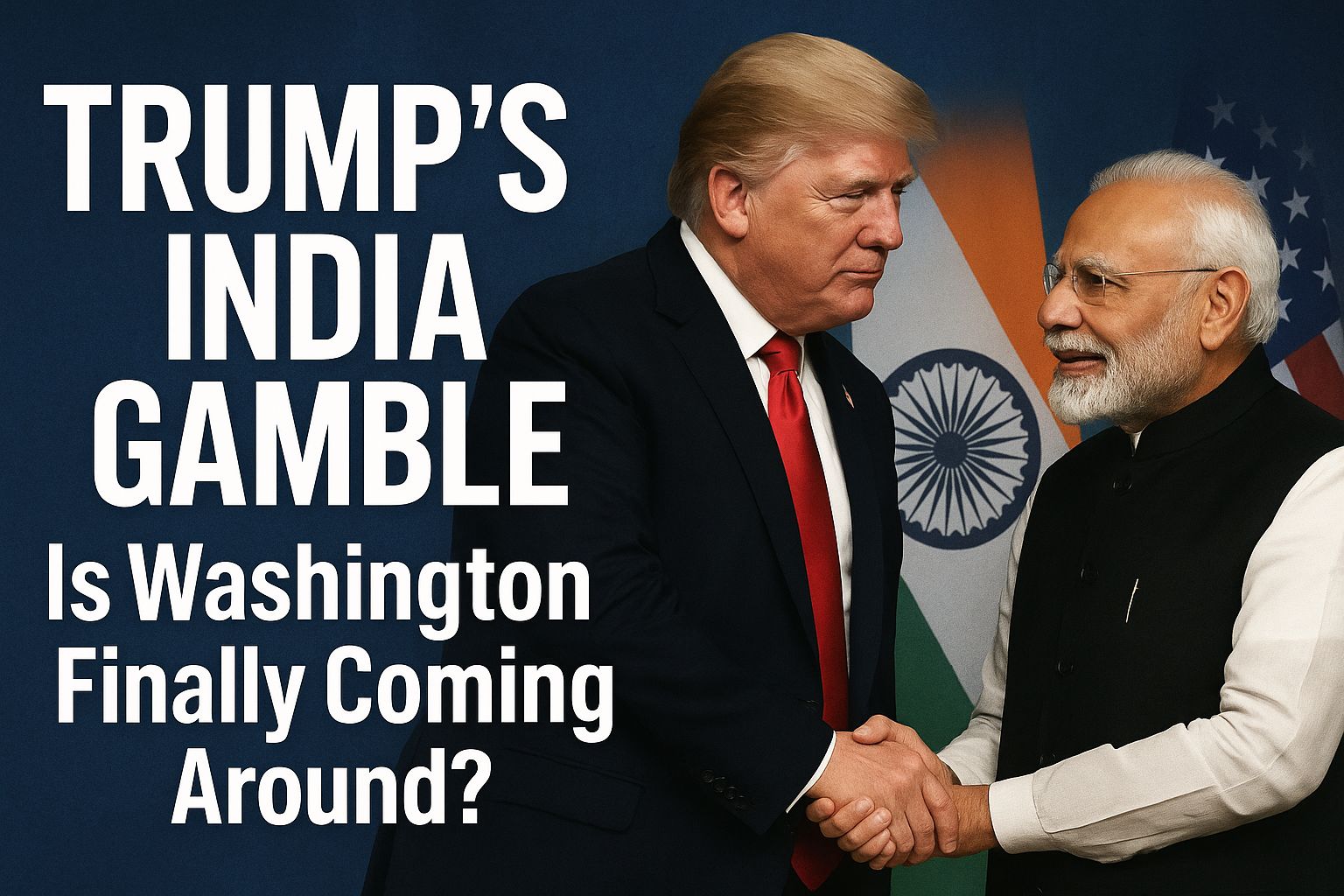
Trade wars can bruise economies, but diplomacy can help heal the wounds. As Donald Trump makes a fresh push toward India, one question looms: Is this genuine reconciliation or just another round of political theatre?
A Friendship on Edge
The U.S. and India often refer to themselves as “natural partners.” On paper, it makes sense: booming tech ties, shared democratic values, and growing security cooperation in the Indo-Pacific.
But in reality? The past year has been rough.
Trump hit Indian exports with 25% tariffs, threatening even more penalties over India’s decision to keep buying oil from Russia. For Indian businesses, that meant slimmer profits and tougher competition. For Washington, it was a warning shot: play by our rules or pay the price.
India didn’t back down. Rather, New Delhi reaffirmed its commitment to independence and its right to direct its own energy and economic policies. At home, where sovereignty is political gold, that defiance resonated.
Cracks of Sunshine
And yet despite the tariff battles, Trump hasn’t slammed the door shut. He’s nudged it open.
- During Prime Minister Modi’s recent U.S. trip, the two leaders exchanged smiles and warm words about friendship.
- India’s Trade Minister hinted at “positive, forward-looking” talks.
- Rumors even suggest the U.S. might ease some tariffs if India offers concessions in return.
This thaw isn’t just about trade. Washington knows India’s value runs deeper: as a counterweight to China, as a defense partner, and as a tech powerhouse.
The Trust Gap
Still, words are cheap. India has reason to be skeptical.
- Trump once called India’s economy “dead.” That sting lingers.
- Many tariffs remain in place, hurting businesses on both sides.
- Neither Modi nor Trump can afford to look “soft” back home.
So while handshakes and press conferences look promising, they don’t erase years of bruises. India is listening but cautiously.
Why This Moment Matters
This isn’t just a trade spat. It’s about whether two of the world’s largest democracies can finally settle into a steady rhythm.
- Energy reality: India won’t cut Russian oil overnight. Can Washington accept that?
- Tech ties: American giants—Apple, Google, Amazon—need India’s massive market. Tariffs slow everyone down.
- Geopolitics: With China flexing its muscles in the Indo-Pacific, the U.S. can’t afford to push India away.
Handled well, this outreach could spark a stronger, more resilient partnership. Mishandled, it could cement mistrust for years to come.
Is the U.S. Really Coming Around?
Maybe. There’s quiet optimism in New Delhi that Trump’s “friendship” talk isn’t just campaign fluff. But India has heard sweet words before. Real change means action lowering tariffs, fairer negotiations, and respecting India’s non-negotiables.
Right now, Washington seems to be inching closer. But slowly. And with hesitation.
The Road Ahead
For India, patience is key. Don’t over-commit. Don’t under-react. Test Washington’s sincerity.
For Trump, the real challenge is proving this isn’t just another election-season stunt. If he wants history to remember this as a breakthrough moment, he’ll need to show consistency something India has long wanted but rarely seen from American leaders.
A Fragile Chance
This moment feels like a gamble. A chance to turn months of bitter trade fights into a stronger, more balanced partnership.
Trump’s outreach won’t erase the scars overnight, but it might just open a new chapter if both sides tread carefully.
If Washington is truly “coming around,” India will welcome it. But on its own terms. Anything less, and this fragile thaw could quickly freeze back into confrontation.




