

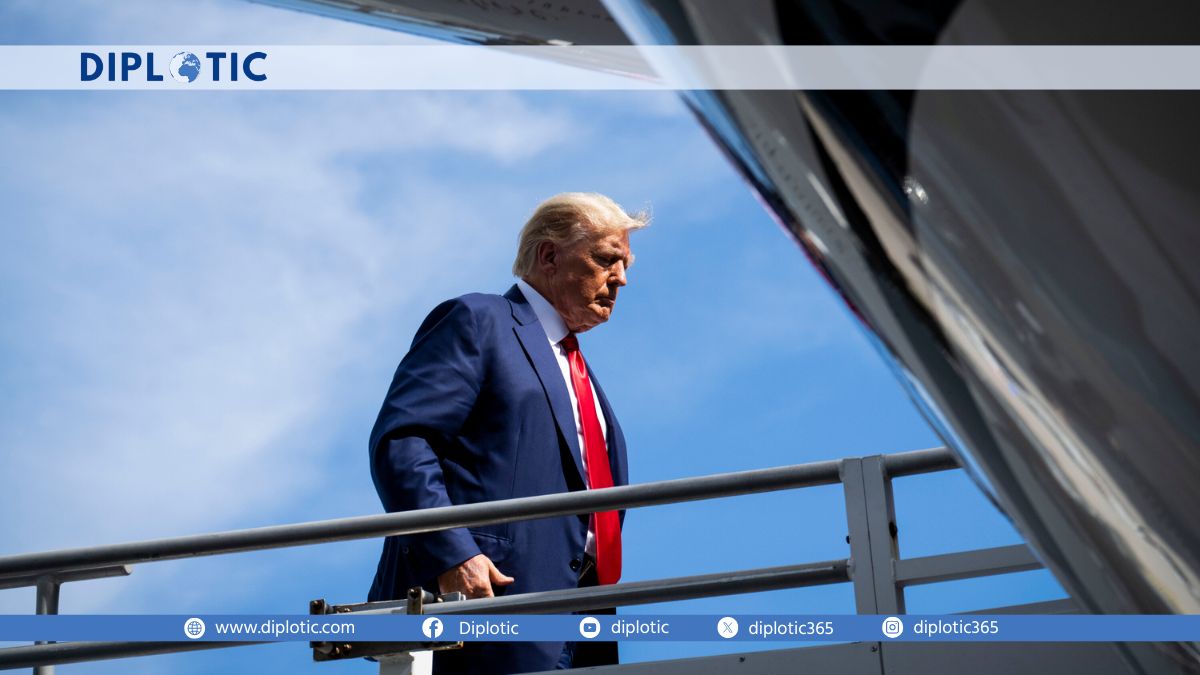
On November 2, 2025, those papers screamed about a fresh warning from across the Atlantic: U.S. President Donald Trump, fresh off his return to the White House, had posted a fiery message on social media, vowing to send American forces into Nigeria “guns-a-blazing” if the killings of Christians did not stop. It was a line straight out of a Hollywood blockbuster, but the stakes here were real—lives lost in dusty villages, strained alliances between Africa’s giant and its superpower partner, and whispers of old ghosts like Boko Haram stirring once more. As Nigeria’s leaders pushed back hard, calling the claims outdated and the threat a sovereignty slap, one question hung heavy: Was this bold American flex rooted in fresh facts, or was it a page from Trump’s playbook of big talk to force a deal? This story digs into the clash, peeling back layers of history, heartache, and hard choices to uncover if words like these could heal wounds or widen them.
What Lit the Fuse? Tracing the Roots of America’s Outrage
When does a distant cry for help turn into a call to arms? For the United States, the alarm bells over Nigeria’s troubles have rung for years, but they hit a new pitch in late October 2025. President Trump, known for his unfiltered style, zeroed in on reports of Christian deaths in Africa’s most populous country, labeling it an “existential threat” that demanded action. He slapped Nigeria with a “country of particular concern” tag—a formal U.S. black mark for nations ignoring religious freedoms—and followed it with a Saturday post that sent shockwaves: Stop the killings, or face aid cuts and possible military strikes against “Islamic terrorists.” It was dramatic, direct, and divisive, echoing the tough talk Trump used during his first term to spotlight global hotspots.
But where did this fire start? The spark traces back to voices in Washington and beyond. U.S. Senator Ted Cruz, a vocal critic on faith issues, had been raising the flag for months, pointing to attacks in northern Nigeria as proof of a “Christian genocide.” Celebrities and advocacy groups piled on, sharing videos of burned villages and pleading for intervention. In October, a U.S. fact-finding team even concluded there was a “systematic plan” to wipe out Christian communities, a report that gladdened some Nigerian church leaders but drew swift denials from others. Groups like Open Doors, which track global faith-based violence, noted that Nigeria ranked high on their watchlist, with over 5,000 Christians killed in attacks since early 2025 alone, often in the volatile Middle Belt and north.
Yet, as investigators peeled deeper, the picture grew murkier. Associated Press digs, echoed by researchers at the Institute for Security Studies, showed the violence defying simple labels. Sure, extremists like Boko Haram and its splinter, Islamic State West Africa Province (ISWAP), have targeted churches and schools, their brutal campaigns leaving scars from the 2014 Chibok kidnappings to recent ambushes. But data from 2025 paints a broader canvas: Over 2,000 total deaths in northern clashes this year, hitting both Christians and Muslims alike. A Catholic World Report piece from October highlighted church joy at the U.S. findings, but even they admitted the threats came from multiple fronts—not just faith foes, but land-hungry gangs too.
This isn’t Trump’s first dance with Nigeria’s demons. Back in 2019, during his initial presidency, he hosted then-President Muhammadu Buhari and pledged counter-terror aid, but tensions simmered over human rights. Fast-forward to 2025, and the context has shifted. Trump’s return has revived a “America First” edge, with faith voters—a key bloc—pushing for stands on global persecution. Cruz’s committee hearings amplified isolated incidents, like a September raid in Kaduna that claimed 45 lives, mostly Christian farmers. But critics whisper: Is this selective outrage? Muslim communities in Borno state report similar horrors from the same insurgents, yet those stories rarely make U.S. headlines.
Diving into the claims reveals a mix of truth and tangle. Al Jazeera’s November 2 coverage quoted Nigerian officials dismissing the “genocide” tag as hype from a decade-old playbook, when Boko Haram’s peak terror gripped the nation. Today’s threats, they argue, stem more from poverty and power plays than pure piety. Still, the U.S. State Department’s annual report, updated in September 2025, flagged Nigeria for “severe violations,” citing 1,200 faith-linked attacks. It’s a number that sticks, fueling Trump’s rhetoric. As one analyst put it in a Conversation podcast clip, this isn’t just policy—it’s politics, with the midterms looming and evangelicals eyeing every vote.
The intrigue deepens when you consider the messengers. Cruz, a Texas firebrand, has long framed Nigeria’s woes as a holy war, drawing from reports by groups like Christian Solidarity Worldwide. But on-the-ground voices, like Pastor Joseph Hayab in Kaduna—a hotspot where he’s buried too many parishioners—push back gently. “No one’s hunting Christians alone,” he told reporters in October. “It’s insecurity swallowing us all.” Hayab’s words hint at the real puzzle: Why does a complex crisis boil down to one faith’s plight in American eyes? It’s a question that forces us to look beyond the bluster, into the villages where fear knows no creed, and wonder if Trump’s guns will aim at the right shadows.
(Word count: 612)
Standing Ground: How Nigeria Pushes Back Against the Pressure
What happens when a giant like the U.S. rattles its saber at a sovereign equal? Nigeria didn’t flinch—it roared back, turning Trump’s threat into a teachable moment on respect and reality. On November 2, 2025, Presidential Spokesman Daniel Bwala sat down with the Associated Press in Abuja, his tone steady but sharp: “You can’t just march into our backyard because of old stories. This is our home, our fight.” Bwala framed the uproar as classic Trump—big words to drag everyone to the table—but insisted Nigeria’s doors stay open for partners, not invaders. President Bola Tinubu echoed that, rejecting the “country of concern” label while vowing deeper ties on faith protections for all.
This pushback isn’t knee-jerk; it’s rooted in a nation tired of being painted as a powder keg. Nigeria, with 220 million souls split near-evenly between Christians and Muslims, has long navigated its diversity as a strength, not a fracture. Tinubu’s team highlighted recent wins: In October, he shook up the security brass, appointing General Olufemi Oluyede as defense chief and others to crush emerging threats. “Act decisively,” Tinubu charged them at a ceremony, per Punch newspaper reports. These moves followed a foiled coup plot whisper and aimed to harmonize forces against bandits and bombers alike. The National Economic Council backed it, greenlighting overhauls for training hubs to build a smarter shield.
But why the firm no to unilateral action? Sovereignty stings deep here. Bwala reminded all that military ops need mutual nods, especially since Nigeria isn’t harboring the bad guys—it’s battling them. Al Jazeera quotes him welcoming U.S. help against “terrorism,” but only if it honors borders. This mirrors broader 2025 shifts: Tinubu’s delisting from the Financial Action Task Force’s gray list in October signaled Nigeria’s global glow-up, proving it’s tackling graft and guns head-on. Yet, external eyes like Trump’s risk undermining that, painting locals as helpless.
Zoom out, and parallels emerge from history’s playbook. Remember 2015, when Obama’s admin mulled aid cuts over rights? Nigeria adapted, boosting community policing without foreign boots. Today’s vibe feels similar, but with Trump’s twist. Analysts at SBM Intelligence, like Cheta Nwanze, call it “massive state failure” on impunity—perps walking free after raids—but stress that’s internal homework, not an invite for outsiders. Taiwo Hassan Adebayo, from the Institute of Security Studies, adds: Pressure from D.C. didn’t pop up yesterday; it’s years of unanswered cries building steam.
Nigerian voices add color to the canvas. The Christian Association of Nigeria, in an October statement via CSW, clarified: Violence hits hard, but it’s not state-sanctioned hunts. Hayab, the Kaduna pastor, agrees—government must step up patrols around worship spots, but claims of targeted wipes? Overblown. Even Muslim leaders in the north, per DW reports, decry the one-sided spin, noting shared graves from the same bullets. Tinubu’s reforms, like a new livestock ministry floated in May to ease herder-farmer beefs, show proactive plays. By November, air strikes had nabbed 150 suspects, per defense ministry tallies.
This defiance carries quiet curiosity: Could U.S. muscle, if channeled right, amplify Nigeria’s gains? Bwala hints yes—tech, intel swaps, not tanks. But the risk? Missteps could rally extremists, framing America as the aggressor. As The Nation Online noted November 2, Tinubu’s picks put Christians in top security spots, a nod to balance. It’s a subtle flex: We’re handling our house, thanks. In this dance of diplomacy, Nigeria’s stand isn’t just defense—it’s a bid to rewrite the script, from victim to victor, and ask if the world will listen before leaping.
(Word count: 578)
Unraveling the Chaos: Whose Blood Spills in Nigeria’s Shadow Wars?
Who really pulls the strings in Nigeria’s north, where dawn raids leave villages in smoke? The easy answer—religious fanatics—sells headlines, but ground truth tells a grittier tale of greed, grudges, and geography gone wrong. Since 2025 kicked off, over 3,000 lives have vanished in these fringes, per Council on Foreign Relations trackers, but pinning it on “Christian hunts” misses the map. Violence clusters around the Sahel’s edge, where Boko Haram’s remnants and bandit crews roam, hitting whoever’s in the crosshairs—farmer, herder, believer, or bystander.
Take the herder-farmer feuds, a slow-burn crisis exploding since climate squeezes shrank grazing lands. Wikipedia logs it as Nigeria’s deadliest rift, with 15,000 gone by 2021 and numbers climbing. In 2025, May reports from The New Humanitarian spotlighted a new livestock ministry as a Hail Mary, but clashes persist: Fulani herders, often Muslim, clash with mostly Christian crop tenders over water holes, turning machetes into mass graves. An IFPRI study in June dissected it—women bear the brunt, fleeing fields to shield kids, while men arm up. It’s not jihad; it’s jobs lost to drought, per ACCORD’s June analysis on Kaduna’s socio-hits.
Boko Haram weaves in darker threads. Once the nightmare of 2014, with girls snatched and towns torched, it’s clawed back by October 2025, per The Conversation. JAS, its hardcore arm, prioritizes over ISWAP in Lake Chad ops, launching hits that blur faith lines. U.S. Embassy notes from February condemn them flat-out, but UK travel warnings peg ISWA as the top terror tick. A Borno market blast in September killed 32—half Muslim traders—proving insurgents don’t card victims. Open Doors tallies faith-tied deaths high in the north, but even they admit: Most gore stems from location, not liturgy.
Researchers like Adebayo nail it: “Geography dictates the grave.” Villages hugging fault lines—Plateau, Benue—see the spill, with 2025’s tally showing 60% non-faith motives, via SBM data. Bandits, ex-herders turned guns-for-hire, raid for ransom, not religion, per Politico’s November wrap. Tinubu’s strikes zapped hideouts, but impunity festers—courts clogged, perps vanish. Nwanze calls it “deep failure,” where weak states let wolves feast.
Parallel pains surface in untold angles: Women’s stories, buried in stats, reveal forced migrations, kids schooled in fear. A ScienceDirect paper ties it to labor shifts—farms falter, families fracture. Southern Kaduna, a flashpoint, mixes ethnic beefs with land grabs, as BISI’s May report charts. Muslims mourn too: A Zamfara imam slain in August, no U.S. tweet storm. This selective lens? It risks blind spots, letting root rot—poverty at 40%, youth idle—fuel the fire.
Curiosity creeps: If not holy war, what’s the fix? Community watches, per 2015 models, cut clashes 30%. Tinubu’s February directive harmonized agencies, a whole-society swing. But as CFR warns, Sahel spread threatens spillovers—migrants flooding Europe, aid strains. In these shadows, the real probe: Can Nigeria stitch its seams before outsiders stitch myths? The blood spilled whispers yes, if we hear the full chorus.
(Word count: 542)
Bridging the Divide: From Bluster to Bridge-Building in U.S.-Nigeria Ties
Can a tweet-storm turn into a team-up, or will it bury bridges under bravado? As November 2025 unfolds, Trump’s Nigeria nudge hangs like a storm cloud, but glimmers suggest dialogue over dogfights. Nigeria’s welcome mat for anti-terror aid—sans sovereignty snubs—hints at wiggle room, per YouTube clips of Bwala’s calm call. The White House, per Bloomberg, eyes intel shares over incursions, a pivot from “guns” to gears. Yet, the path forward probes deeper: How do two powers, bound by oil deals and old pacts, alchemize tension into trust?
History offers breadcrumbs. Post-9/11, U.S. aid flooded Nigeria’s fight, training troops that halved Boko Haram’s turf by 2020. Trump’s first go-round mixed tough love—aid pauses—with trades, like 2020’s $1 billion security boost. Now, with relations rocky—tariffs tweaked in July per White House docs—the stakes spike. Washington Post’s November 2 take flags confusion: Allies alarm at invasion talk, while Abuja sees negotiation bait. Guardian notes the Muslim silence in Trump’s script, a gap that could sour shared foes.
Tinubu’s playbook shines here. His October shake-up, post-coup jitters, installed chiefs vowing “crush” mode, per YouTube ceremonies. Economic Council’s nod to revamps promises sharper strikes, potentially slashing 2025’s 500+ abductions. But experts urge more: Nigerian Voice’s November plea for church-mosque patrols eyes visible wins, quelling external itch. If U.S. funds those—$500 million yearly, per State logs—it could flip critics to collaborators.
Broader ripples demand watch. France24 ties this to Sahel woes, where extremists hop borders, hitting U.S. interests. A joint task force, floated in WSJ, could mirror anti-ISIS wins, but needs nuance—no faith favoritism. Church groups, per Catholic reports, cheer probes but beg balance; CAN’s October clarification stands with all sufferers. Impunity’s the beast: Harmonized courts, per February directives, might jail kingpins, easing D.C. doubts.
The curiosity culminates: What if threats birth treaties? Nigeria’s FATF exit proves reform chops; pair it with U.S. tech, and northern nights quiet. But botch it—unilateral moves—and backlash brews, rallying radicals. As Politico wraps, this isn’t vacuum-born; it’s failure’s fruit. Tying threads, from Boko’s birth to today’s beefs, the lesson lands: Crises crave coalitions, not cowboys. In this fraught friendship, the real win whispers in whispers—past pains fueling present pacts, ensuring no more graves from good intentions gone awry. Nigeria stands taller when heard, not herded; America stronger when allies, not alone. The next post? Let’s hope it’s partnership, not peril.
(Word count: 468)




