

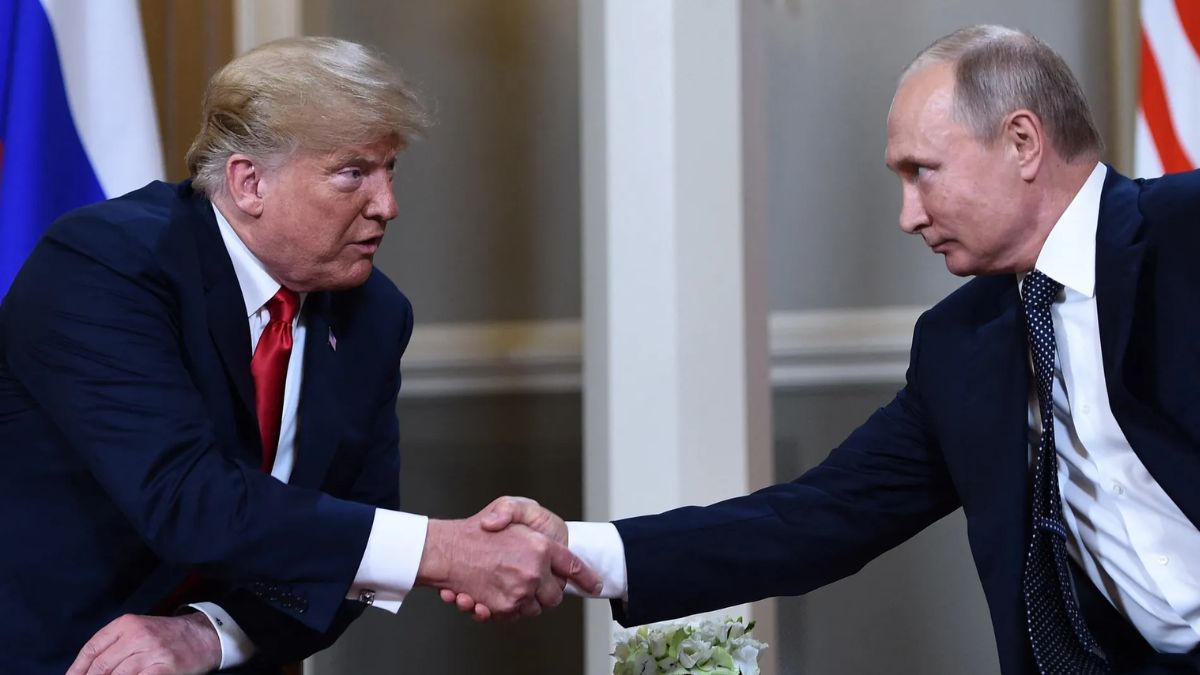
A Summit with High Stakes
On August 13, 2025, President Donald Trump warned of “very severe consequences” for Russia if President Vladimir Putin does not commit to ending the war in Ukraine during their upcoming summit in Anchorage, Alaska, on August 15. Speaking at the Kennedy Center in Washington, D.C., Trump declined to specify whether these consequences would include sanctions or tariffs, stating only, “I don’t have to say”. This follows his earlier threats in July 2025 to impose sanctions unless Russia ceased hostilities, a deadline that passed without action.
Trump’s comments came after a virtual meeting with European leaders, including German Chancellor Friedrich Merz and French President Emmanuel Macron, alongside Ukrainian President Volodymyr Zelensky. The call, described as “constructive and good” by Zelensky, focused on ensuring Ukraine’s voice in peace talks. European diplomats noted Trump’s insistence that Ukrainian territory “cannot and will not be negotiated by anyone but the Ukrainian president,” a stance Macron called “very clear”.
“Trump’s drawing a line: no land swaps without Kyiv’s say. But will Putin play ball?” a European analyst posted on X.
Ceasefire as a Priority
Trump signaled his goal is an immediate ceasefire, viewing it as a “show of goodwill” from Russia. He did not explicitly call it unconditional but made clear he would not entertain Russian proposals involving territorial concessions, such as Putin’s demand for Ukraine to cede the entire Donbas region. Zelensky has rejected such deals, arguing they would violate Ukraine’s constitution and invite future Russian aggression. Trump’s focus on a ceasefire aligns with European leaders’ calls for Ukraine’s inclusion in negotiations, with Merz stressing that “fundamental European and Ukrainian security interests must be protected”.
Trump also expressed optimism about arranging a follow-up meeting involving Zelensky and Putin “almost immediately” if the Alaska summit goes well. He described the initial meeting as “setting the table” to gauge Putin’s intentions, with a potential trilateral meeting in a neutral European country as the next step.
Security Guarantees and Sanctions
A key point from the virtual call was Trump’s support for security guarantees for Ukraine, including a U.S. role, which one European diplomat called a “particularly positive development”. This could involve military or diplomatic commitments to deter future Russian invasions, addressing Zelensky’s demand for long-term protections. However, a former Trump official cautioned that the president’s assurances might be strategic, aimed at keeping allies supportive, and that his approach in the Putin meeting remains unpredictable.
Trump also floated the idea of secondary sanctions, particularly targeting China for importing Russian oil, though he made no firm commitments. A European official noted the “threat is on” for such measures if the Alaska talks fail, pointing to Trump’s recent 25% tariff on India for buying Russian oil as a precedent. That tariff, set to take effect soon, reportedly influenced India’s trade decisions, suggesting similar moves could pressure Russia’s war economy, which Zelensky says is already strained by existing sanctions.
Zelensky’s Stance and European Fears
Zelensky, joining the call from Berlin, reiterated doubts about Putin’s willingness to negotiate in good faith, accusing him of “bluffing” about Russia’s military strength and sanctions resilience. He warned that Putin is escalating pressure on Ukrainian frontlines to project dominance ahead of the summit. European leaders share concerns that excluding Ukraine from initial talks could favor Moscow, especially given Putin’s history of leveraging energy and military power to intimidate the EU. Merz emphasized that if Russia shows no movement in Alaska, the U.S. and Europe must “increase the pressure” on Moscow.
Trump’s earlier suggestion of “land swaps” raised alarm among allies, as it implied Ukraine might cede Russian-occupied territories like parts of Donbas. His recent pivot to deferring territorial decisions to Zelensky aims to reassure Kyiv and Europe, but skepticism persists. A CNN report notes Trump’s reluctance to confirm Zelensky’s inclusion in the Alaska meeting, fueling fears of a deal skewed toward Russia’s interests.
The Bigger Picture
The Alaska summit is a critical moment in the Russo-Ukrainian War, which began in 2014 and escalated with Russia’s 2022 invasion. Russian forces are advancing in Donbas, particularly around Pokrovsk, a key Ukrainian supply hub. Losing it could bolster Russia’s position before the talks, complicating negotiations. Zelensky’s refusal to cede the remaining 30% of Donetsk under Ukrainian control underscores Kyiv’s resolve, but Trump’s broader geopolitical aims—potentially prioritizing U.S. interests over European security—raise concerns among allies.
The threat of sanctions and Trump’s ceasefire push signal a tougher stance than earlier in his term, when he seemed open to territorial concessions. Yet, with expectations low and Putin’s intentions unclear, the summit’s outcome is uncertain. As one diplomat on X put it, “Trump’s playing a high-risk game. It’s either a breakthrough or a bust.”




