

Historical Context: The Power of the Purse
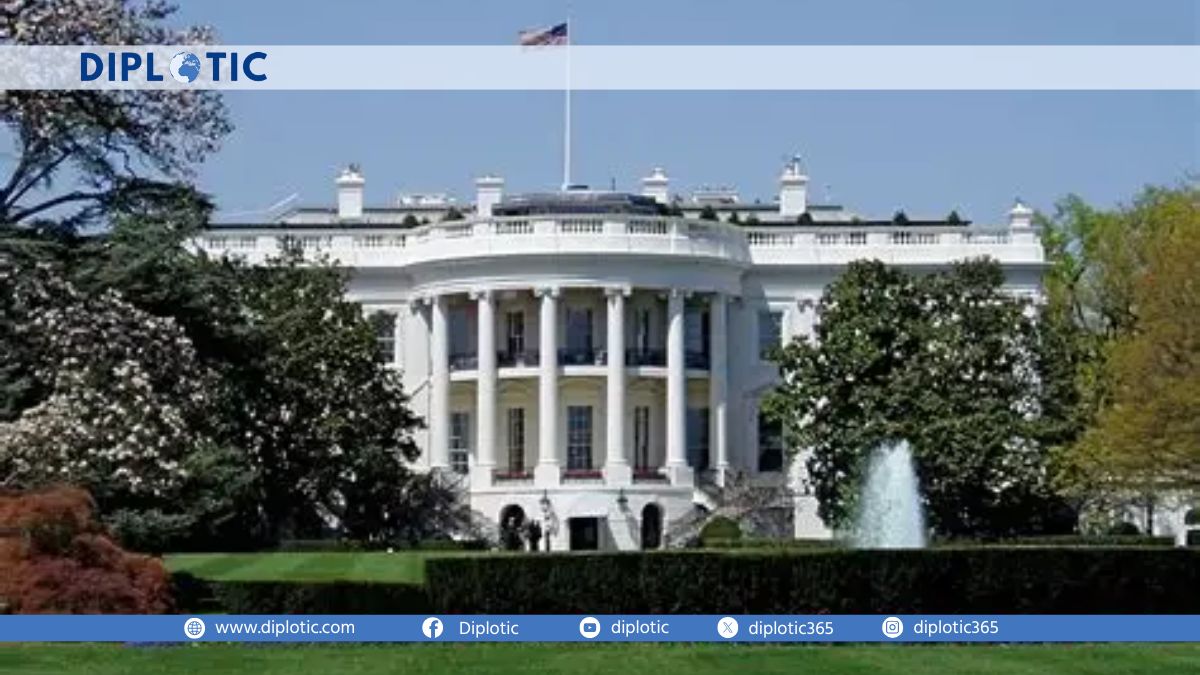
As the September 30, 2025, funding deadline looms, President Donald Trump’s aggressive push to expand executive control over federal spending has set the stage for a high-stakes government shutdown showdown, reminiscent of past fiscal clashes. The U.S. Constitution grants Congress the “power of the purse,” but Trump’s use of “pocket rescissions” to cancel congressionally approved funds—$5 billion in foreign aid on August 29, following a $9 billion cut earlier in 2025—challenges this authority. These moves echo historical tensions, like the 1974 Impoundment Control Act, enacted after President Nixon’s budget withholdings, which aimed to curb executive overreach. Past shutdowns, such as the 35-day 2018-2019 standoff over border wall funding, highlight the economic and political costs: $11 billion in GDP losses and furloughs for 800,000 workers. X posts reflect public frustration: “Trump’s playing king while workers pay the price.” With negotiations stalled, the risk of a repeat crisis grows, threatening federal operations and public trust.
Trump’s Strategy: Unyielding Executive Power
Trump’s White House has drawn firm redlines, rejecting Democratic demands to restore billions in Medicaid and rural hospital cuts from his signature domestic policy law and insisting on unchecked authority to rescind funds. A senior official told CNN, “We’re not going to accept any limitations on the president’s authorities.” This stance, driven by budget chief Russ Vought, follows a March 2025 executive order and a $5 billion foreign aid cut deemed illegal by Senate appropriator Susan Collins. The administration’s strategy pressures Democrats to either concede or trigger a shutdown, framing it as their failure. X users note: “Trump dares Dems to shut it down—classic power play.” GOP leaders, wary of defections from hardline House conservatives, are banking on further rescissions to unify their party, with a stopgap funding measure as a fallback. However, even some Republicans criticize the rescissions, signaling potential cracks in party unity.
Democratic Resolve: Leveraging the Deadline
Democrats, led by House Minority Leader Hakeem Jeffries and Senate Minority Leader Chuck Schumer, are unified in demanding concessions, including restoring health funding and curbing Trump’s spending overrides. Rep. Ro Khanna emphasized a “no surrender” stance, reflecting lessons from a March 2025 capitulation that fractured the party. Jeffries also insists on releasing $1 billion for Washington, D.C., stalled amid Trump’s National Guard deployment for alleged crime issues. Democrats aim to avoid a repeat of past shutdowns, like 2013’s 16-day closure over Obamacare, which cost $24 billion. A Democratic aide countered Trump’s narrative: “We’re not taking hostages—they need to keep the government open.” X sentiment echoes: “Dems finally standing up to Trump’s bullying.” Private coordination over the summer, including calls prioritizing Obamacare subsidy extensions, signals a strategic push to exploit their leverage before premiums spike in fall 2025.
Economic and Political Stakes: A Nation on Edge
A shutdown could furlough 2 million federal workers, disrupt services from national parks to border enforcement, and cost billions, as seen in 2018-2019 when air travel delays spiked 15%. Democrats face pressure from their base to resist Trump, whose 45% union household support in 2024 (per CNN exit polls) complicates their messaging. Republicans, holding House and Senate majorities, risk backlash if premiums rise without Obamacare subsidy extensions, a point Trump aides are open to discussing but not immediately. The White House’s outreach to GOP leaders during the August recess aims to secure a stopgap, but conservative defections could derail it. X posts warn: “Another shutdown, another economic hit—when will they learn?” By October 2025, a prolonged standoff could deepen public discontent, especially if health costs soar or services falter, impacting 2026 midterm narratives.
Future Implications: A Test for Governance
The showdown tests the balance of power between Congress and the executive. If Trump’s rescissions prevail, legal challenges, already underway, may escalate to the Supreme Court, potentially redefining the Impoundment Control Act’s scope. A Democratic fold could embolden further executive overreach, while a shutdown might galvanize their base but risk public blame, as in 1995-1996 when Republicans lost favor. By 2030, unchecked executive power could erode congressional authority, setting a precedent for future administrations. Conversely, a bipartisan deal on subsidies or D.C. funding could avert crisis, but Trump’s refusal to compromise on health cuts makes this unlikely. X users speculate: “This could reshape how budgets work—or break the system.” The outcome will shape governance, public trust, and the economic landscape, with ripple effects for years.




