

A High-Stakes Opening: What Does the Alaska Summit Signal?
As the world watches, President Trump is about to meet President Putin in Anchorage, Alaska—his first face-to-face with the Russian leader since Russia’s 2022 invasion of Ukraine and the first of his second term. This summit is more than ceremonial; it carries the weight of global expectations, renewed diplomatic theater, and the fragile hopes for a resolution to a war that has reshaped Europe. From its Cold-War–era venue at Joint Base Elmendorf–Richardson to the unusually personal demeanor Trump brings to foreign diplomacy, the event encapsulates decades of shifting, sometimes contradictory, U.S.-Russia relations.
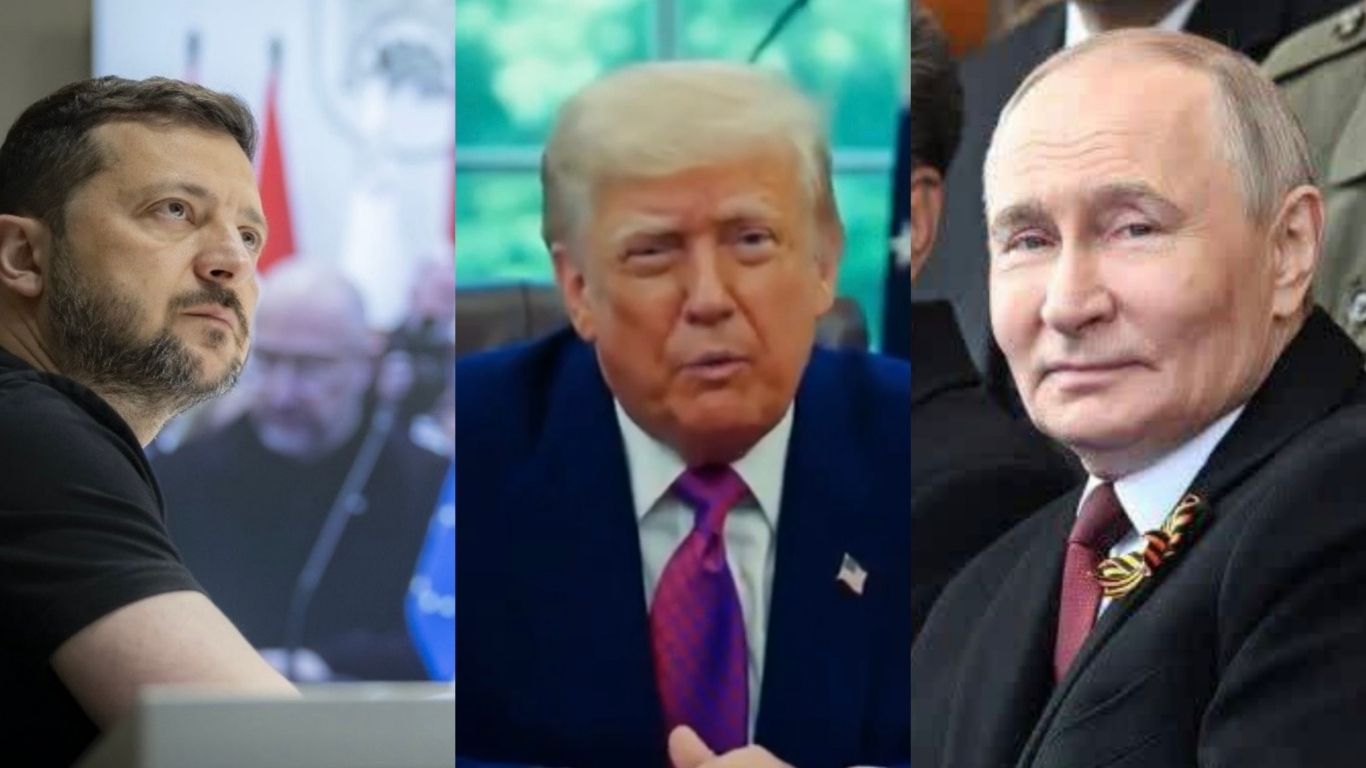
That this meeting unfolds without Ukrainian President Zelenskyy at the table has sent ripples across Europe and Kyiv. European capitals, through frameworks like the Weimar+ format, have insisted that any peace deal must include Ukraine’s voice—not a diplomatic courtesy, but a foundational principle of sovereignty. Meanwhile, Trump has framed this summit as a “feel-out,” a first chapter in what he hopes will include a second meeting where Zelenskyy joins, and real negotiations occur.
The optics are stark: for Putin, it’s a reclamation of relevance on the world stage; for Trump, a political gambit blending peacemaker posturing with his customary unpredictability. It is precisely this blend that raises the question: is this the thin edge of diplomatic progress—or the prologue to a precedent that sidelines both Europe and Ukraine?
Negotiation Without a Table: Risks of Exclusion and Misread Signals
At the heart of this summit lies a simmering contradiction. Trump insists that if this meeting goes well, a trilateral summit with Zelenskyy will follow with urgency, perhaps even at the same Alaskan venue. Yet European and Ukrainian officials remain wary, cautioning that excluding Ukraine risks legitimizing Russian aggression, and could taint any subsequent talks not built on consent or balance.
Analysts from the Center for Strategic and International Studies frame it starkly: if Russia is granted legitimacy without compromising its ambitions, the summit could morph into a strategic victory for Putin rather than a step toward peace. Indeed, European voices, including Germany’s chancellor, have underscored that territorial questions can only be decided by Ukraine—with “no preconditions” attached.
The calculus is as much political as diplomatic. For Trump, the optics of coaxing Putin could bolster his global stature; for Putin, the meeting alone may serve his narrative of Western weakness. What remains uncertain is whether this summit will lay groundwork for a durable ceasefire or merely become another summit promising much and cementing nothing.
The Pressure Points: Leverage, Sanctions, and Strategic Ambiguity
On the eve of the summit, Trump issued a stark warning: failure to pursue peace would entail “very severe consequences” for Russia. Across the Atlantic, European allies endorsed this stance—publicly aligning with Trump—but quietly braced for all outcomes, aware that real leverage lies in unified Western resolve.
For Putin, the summit in Alaska offers a strategic prize: a return to diplomatic relevance and possible thawing of the isolation racked up since 2022. Putin may counter Trump’s threats by dangling the prospect of limited territorial concessions, proposing nuclear arms talks or economic cooperation in exchange for relief from sanctions—and in the process, reshape the narrative on the war in Ukraine.
Experts warn that Trump’s readiness to pivot on a dime, paired with his transactional view of diplomacy, heightens risk. Without firm lines—especially from European partners—the summit may advance little more than strategic posturing. The presidency of détente masquerading as engagement may emerge, unless anchored by robust pressure and foresight.
Crossing Red Lines or Building Bridges? Looking Beyond the Summit
The summit may culminate in a joint press conference or abrupt retreat into preparation for a second meeting—there is “a 25 percent chance this meeting will not be a successful meeting,” Trump warned. Yet even incremental progress—agreeing to include Zelenskyy in future talks or establishing a roadmap for ceasefire negotiations—could shift dynamics from impasse toward resolution.
Still, experts caution that without a durable structure—reciprocal guarantees, safeguards for Ukrainian sovereignty, real punitive mechanisms—the summit might serve short-term optics more than long-term strategy. The broader implications are global: will a U.S. president broker peace while sidelining the affected party, or will this set a precedent in modern diplomacy where force meets negotiation?
History reminds us that summits without substance are vanity events. If this one is to be different, it will require follow-through—not just from the leaders in Alaska, but from the international community prepared to uphold consequences, ensure inclusion, and keep war talks honest.
Pulling from history, negotiation theory, and the current geopolitical matrix, the Alaska summit emerges not merely as a meeting but as a test: of leadership, alliances, and the idea of peace itself. As the world holds its breath, the question remains whether this is the beginning of a peace process or another chapter in conflict diplomacy’s long, inscrutable script.




