

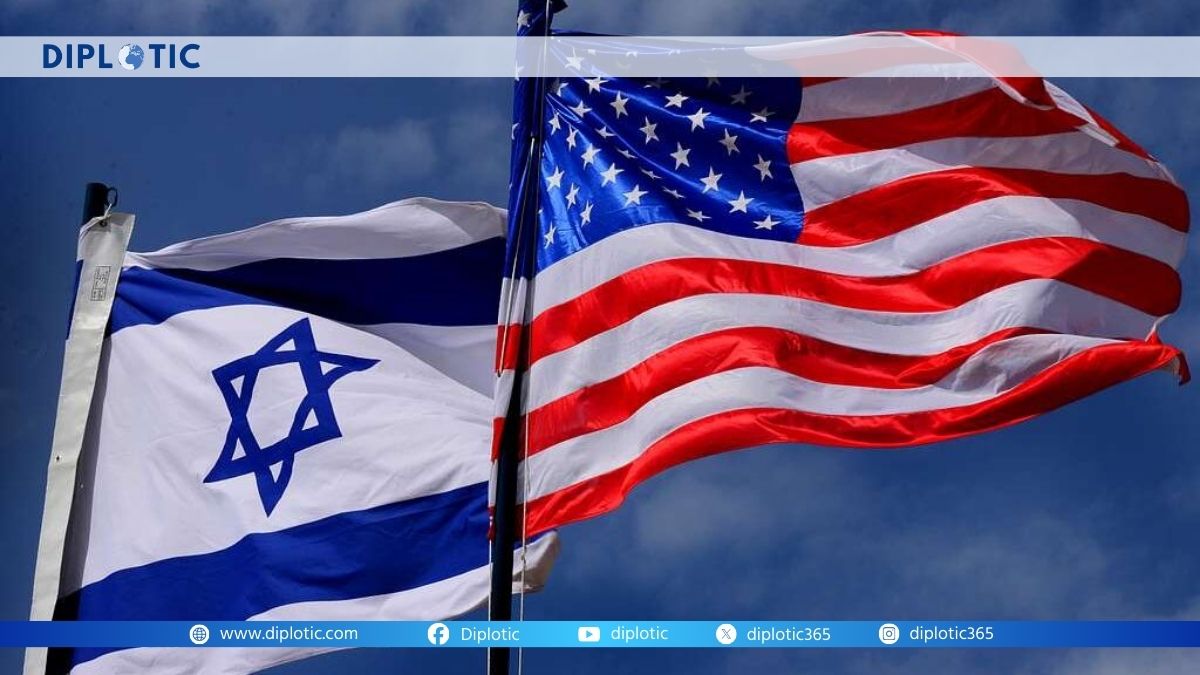
In the closing weeks of 2025, an unusual strain has appeared between two leaders who once seemed inseparable. U.S. President Donald Trump and Israeli Prime Minister Benjamin Netanyahu have built one of the closest relationships in modern diplomacy. Yet recent phone calls, public statements, and behind-the-scenes moves reveal growing pressure from Washington on Jerusalem. Trump is pushing for full compliance with the Gaza ceasefire, calmer borders with Lebanon and Syria, and progress toward a broader Middle East settlement. At the same time, cracks are opening inside Trump’s own political base over unconditional support for Israel. Netanyahu, fighting corruption trials at home and hardline partners in his coalition, faces difficult choices. Their fifth White House meeting in late December now carries higher stakes than any before. What began as routine coordination between close allies has quietly turned into a test of how far each man is willing to push the other.
The pressure is not coming from one direction alone. Regional realities, domestic politics in both countries, and shifting attitudes among younger American conservatives all play a part. Arab states are offering money and troops but only if Palestinian institutions reform. Hamas is debating whether to disarm and become a political party. And inside the Republican Party, voices once considered fringe now question why the United States should keep writing large checks to Israel without clear returns. These forces have combined to create a moment of unusual leverage for Trump—and unusual risk for Netanyahu.
————————————————————
The Phone Call That Changed the Tone
On Monday, December 1, 2025, President Trump called Prime Minister Netanyahu. The conversation was direct. Trump asked why Israeli forces were still striking targets that risked breaking the Gaza ceasefire. He pressed for the Rafah border crossing to open, even partially, so trapped civilians and possibly Hamas fighters could leave. He urged Israel to join U.S.-led talks with Lebanon and to explore a security agreement with the new government in Syria. Most pointedly, he questioned why Israel was not allowing a safe exit for the roughly 200 Hamas members stuck in tunnels under Rafah. “Why are you killing Hamas members trapped in the tunnels instead of letting them leave and surrender?” Trump reportedly asked.
Within days, Netanyahu made small but visible concessions. The Rafah crossing opened on a limited basis. Israeli officials agreed to take part in the Lebanon talks. Public statements from Jerusalem left the door open to eventual withdrawal from parts of southern Syria occupied since the fall of Bashar al-Assad a year ago. These steps were not the full changes Trump wants, but they showed that the prime minister felt the pressure.
At the same time, Trump offered something Netanyahu badly needs: support for a possible presidential pardon that could end the corruption trials hanging over the Israeli leader’s head. Trump wrote to Israeli President Isaac Herzog asking him to consider the request favorably. For Netanyahu, facing bribery and breach-of-trust charges, the trials are more than legal trouble—they threaten his political survival. Trump’s letter framed the pardon as necessary so Netanyahu could focus on “peace and security” without distraction.
These two moves—pressure on security policy and help on the legal front—show the classic Trump approach: give a little, take a little, keep the relationship alive but on Washington’s terms.
————————————————————
A MAGA Base That No Longer Speaks with One Voice on Israel
For years, strong support for Israel was a core part of the Republican identity under Trump. Evangelical voters saw the Jewish state in biblical terms. Major donors wrote large checks to pro-Israel groups. Yet in 2025 that unity is breaking. Younger conservatives, especially those active online, increasingly ask why American taxes should fund foreign conflicts when roads, schools, and borders at home need attention. Some go further, repeating old anti-Semitic tropes or questioning Jewish influence in media and finance.
Analysts like Richard Hanania describe Israel as the “final boss” of taboos inside the broader MAGA movement. Large parts of the base now accept ideas once limited to the far right: sharp limits on immigration, identity politics built on race and religion, and skepticism of foreign aid. On every issue except Israel, those views have moved into the mainstream of Republican thought. On Israel, powerful donors and older voters still hold the line—but the trend among people under thirty is clear and moving in the opposite direction.
This shift gives Trump extra room to pressure Netanyahu. If younger voters do not see Israel as an automatic ally, the political cost of pushing Jerusalem drops. At the same time, Trump cannot afford to lose the big donors who helped fund his return to power. The result is a careful balancing act: keep the relationship strong, but demand visible results—calmer borders, progress on Gaza, and steps that let Trump claim a historic peace deal.
————————————————————
Gaza’s Next Phase: Who Will Run the Strip When the Guns Fall Silent?
The Gaza ceasefire that began in October 2025 has two clear phases. The first—stopping the shooting and exchanging hostages for prisoners—is mostly holding, despite violations on both sides. The second phase is far harder: deciding who will govern Gaza day-to-day and how the territory will be rebuilt.
Trump’s plan calls for an international stabilization force, funded largely by Gulf states, to keep order while a new Palestinian committee made up of non-political technocrats runs basic services. That committee would answer to a Board of Peace chaired by Trump himself. Only later, after reforms, would a rebuilt Palestinian Authority take full control.
Arab countries have shown willingness to pay and even send troops—but only if the Palestinian Authority is invited and the path stays open to an independent Palestinian state. Netanyahu rejects any role for the Authority in Gaza, arguing it would reward the October 7 attacks and keep the two-state idea alive. Hamas, meanwhile, is quietly debating whether to give up its weapons and become a purely political movement if it can keep some influence.
The 200 Hamas fighters still underground in Rafah have become the first real test. If they can surrender or leave safely, it sets a model for wider disarmament. If fighting restarts over them, the whole ceasefire could collapse. Trump wants a face-saving exit that lets him move to phase two. Netanyahu wants guarantees that no armed group will ever again threaten Israel from Gaza. Their December meeting may decide whether those two goals can still fit together.
————————————————————
Conclusion: An Alliance at a Turning Point
The partnership between Donald Trump and Benjamin Netanyahu once looked unbreakable. Shared enemies, shared political styles, and shared victories—like the Abraham Accords—kept them close. Today that partnership faces its toughest moment. Trump needs visible progress to sell at home and to Gulf allies who hold the money for reconstruction. Netanyahu needs American cover to survive his trials and keep his coalition together.
Late December in the Oval Office will not be just another photo opportunity. It will be a meeting where both leaders must decide how much they are willing to give. Small concessions have already been made on both sides, but the biggest questions—Rafah tunnels, Syrian borders, Palestinian governance, and the future shape of the region—remain open.
One thing is certain: the old pattern of automatic American support with no strings attached is ending. Whether this moment leads to a broader settlement or a public break will shape the Middle East for years to come. For now, two of the world’s most skillful political survivors are testing the limits of a friendship that has defined an era.




