

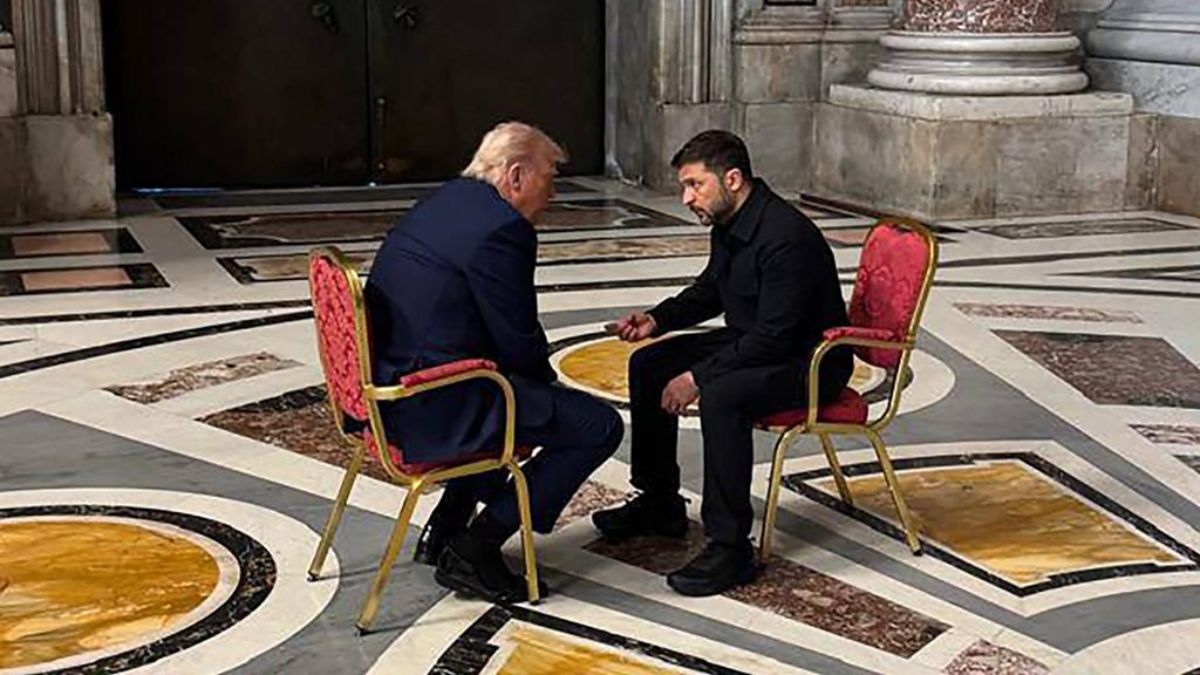
A Diplomatic Breakthrough Amid Domestic Tensions
On August 18, 2025, Washington became the stage for a diplomatic whirlwind as President Donald Trump hosted Ukrainian President Volodymyr Zelenskyy and a coalition of European leaders, including German Chancellor Friedrich Merz and French President Emmanuel Macron, in a bid to end Russia’s war in Ukraine. Described as a “breakthrough” by NATO Secretary-General Mark Rutte, the meetings culminated in Trump’s commitment to participate in security guarantees for Ukraine, a stark contrast to his February 2025 clash with Zelenskyy. This reset, marked by Trump’s warm compliment on Zelenskyy’s suit and Vice President JD Vance’s rapport, signals a new dawn for U.S.-Ukraine ties and transatlantic alliances. Yet, it risks fracturing Trump’s MAGA base, with figures like Steve Bannon decrying U.S. involvement as a betrayal of “America First” principles, highlighting a looming foreign policy divide.
The historical context of the Russia-Ukraine conflict frames this pivotal moment. Since Russia’s 2022 invasion, Ukraine has faced $500 billion in damages and 1 million casualties, with Russia occupying 20% of its territory, per UN and World Bank data. Trump’s earlier Alaska meeting with Vladimir Putin on August 15 yielded no ceasefire but opened talks on security guarantees, a shift from Putin’s prior rejections. The U.S.-Ukraine relationship has been fraught, from the 2019 impeachment scandal to Trump’s initial reluctance for aid, yet the August 18 summit’s focus on guarantees—potentially including weapons and intelligence—marks a pragmatic pivot. Zelenskyy’s push for a bilateral meeting with Putin within two weeks, followed by a Trump-moderated trilateral, reflects cautious optimism, with Macron noting Trump’s deal-making resolve as “great news.” However, domestic skepticism, with 55% of Americans opposing further Ukraine aid per 2025 Gallup polls, complicates Trump’s calculus.
Economically, a peace deal could stabilize global markets, easing Europe’s $200 billion war-related costs and Ukraine’s $150 billion economic losses. Socially, Ukraine’s war-weary public, with 80% opposing territorial concessions per 2022 surveys, pressures Zelenskyy to secure robust guarantees without ceding land. The geopolitical landscape underscores risks: Trump’s openness to peacekeeping, with no “red line” on U.S. troops per administration insiders, clashes with MAGA’s isolationism, as Bannon’s “War Room” podcast warned that U.S. funding—$66.9 billion since 2022—sustains the war. The assignment of JD Vance, Marco Rubio, and envoy Steve Witkoff to coordinate talks signals a high-stakes test, with insiders noting potential 2028 political fallout if the deal falters.
Navigating a Fractured Coalition
The August 18 meetings revealed both progress and pitfalls. The “terrific vibe” between Trump and Zelenskyy, a senior official noted, erased February’s tensions, with European leaders’ presence fostering a “happy family” dynamic despite their competing agendas. The goal, per another official, was to assert U.S. dominance, yet Europe’s constructive role—pushing for guarantees without territorial swaps—proved critical. Trump’s call to Putin, proposing a trilateral meeting, was rebuffed for a one-on-one with Zelenskyy, with Witkoff tasked to arrange it. The Alaska summit’s “opening” on guarantees, per insiders, enabled the White House talks, but specifics remain vague, with questions of who funds and mans a peacekeeping force—potentially 50,000 troops, per NATO estimates—unresolved. Bannon’s warning of an “Article 5 commitment” as a U.S. loss reflects MAGA’s fear of entanglement, with only Europe’s “tedious” unity preventing a Russian-skewed deal.
Economically, security guarantees could unlock $400 billion in Ukraine’s reconstruction, but U.S. reluctance to commit troops shifts the burden to Europe, whose $800 billion defense fund faces gaps. Socially, Ukraine’s resolve, backed by European solidarity, contrasts with U.S. domestic divides, where Bannon insists America holds “all the leverage” via funding. The global security architecture risks destabilization if Trump’s deal aligns with Putin’s terms, like Crimea’s loss, echoing the 1938 Munich Agreement’s failures. An undivided India’s post-1947 unity offers a contrast to the West’s fractured approach, with Trump’s team—Vance, Rubio, and Witkoff—facing scrutiny as potential 2028 contenders. Failure could deepen GOP rifts, already strained by debates over Iran and Israel, per political analyses.
A High-Stakes Path to Peace or Peril
The reset’s success hinges on the proposed Putin-Zelenskyy meeting and Trump’s trilateral role. Zelenskyy’s timeline—guarantees formalized within 10 days—demands clarity on U.S. commitments, potentially $90 billion in weapons, per his remarks. Europe’s willingness to lead peacekeeping, as Merz emphasized, relies on U.S. coordination, yet Bannon’s call to halt funding threatens collapse, as the U.S. covers 60% of Ukraine’s aid, per SIPRI data. Economically, a deal could stabilize energy markets, but concessions risk emboldening Russia, impacting NATO’s eastern flank. Socially, Ukraine’s 10,000 civilian deaths in 2025 alone, per UN estimates, underscore the urgency, while MAGA’s resistance—60% of GOP voters oppose involvement, per Pew—challenges Trump’s pivot. As he balances deal-making optimism with domestic skepticism, the reset could either end the war or deepen global instability, testing America’s role in a fractured world.




