

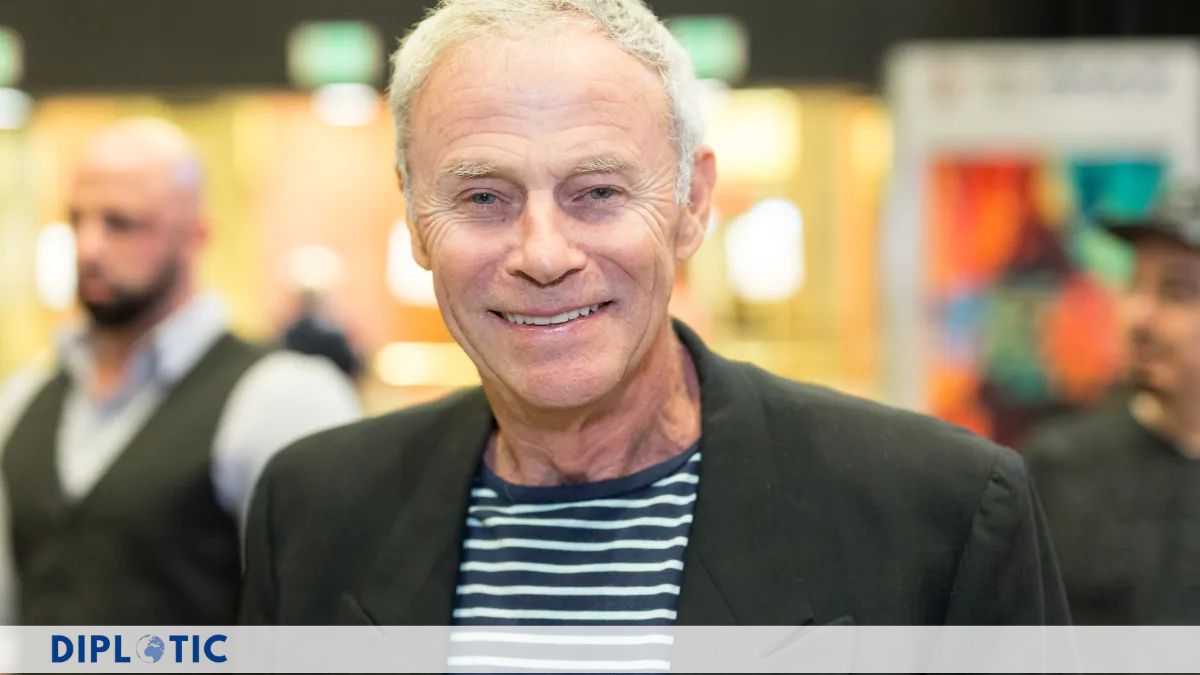
Title: The Enduring Spy: Tristan Rogers and the Legacy of Robert Scorpio
From Australian Rocker to Soap Opera Icon: The Rise of Robert Scorpio
The unexpected death of Tristan Rogers at age 79 marks the close of a chapter not only for General Hospital but for daytime television itself. Born in Melbourne in 1946, Rogers first found his way into performance through a short-lived rock band and modeling gigs before venturing into acting—a pivot that eventually landed him a minor part on General Hospital in 1980. What began as a fleeting role grew into a defining character: Robert Scorpio, the suave spy whose charisma anchored some of the most iconic storylines in soap history.
His debut came at a time when soap operas were defining American television. General Hospital’s storyline around the 1981 wedding of Luke and Laura drew an astonishing 30 million viewers—still the most-watched hour in daytime history. Into this cultural tsunami entered Scorpio, initially as a background figure without a scripted arc; yet within weeks, producers had woven him into the narrative, recognizing the unique energy Rogers brought to the role.
Over the decades, Robert Scorpio evolved from elusive agent to Port Charles police commissioner and, later, district attorney. Even when written out as presumed dead in the early 1990s, the character returned with the dramatic flair soap fans expect. Rogers graced more than 1,400 episodes across multiple decades, including recurring appearances until 2025—his longevity a testament to a bond he forged with audiences.
Scorpio’s World: Romance, Heroism, and Soap Opera Escapism
Robert Scorpio’s popularity stemmed from more than longevity; it lay in the layered relationships and high-stakes escapades that grounded the soap’s more fantastical elements in emotional resonance. His romantic entanglements with Holly Sutton and Anna Devane, each bringing a different tension and texture, remain fan favorites to this day.
Scorpio was also instrumental in familial storylines, notably as father to Robin Scorpio—an enduring character who became emblematic for addressing social issues such as HIV/AIDS in the 1990s. His return in General Hospital: Night Shift in 2008—where he portrayed a man battling colon cancer—offered a rare blending of actor and storyline, using art to reflect shared human struggles.
Tristan Rogers’ performances transcended his character; he imbued Scorpio with wit, tension, and heart. Fans and co-stars alike spoke of his kindness, generosity, and playful spirit—the traits that made Robert Scorpio a living, breathing presence in soap lore. As one manager reflected, “He loved being Scorpio … he created that role from nothing.” These observations point to a creative chemistry between actor and part, rare in its symbiosis.
An Elegy to a Genre: Legacy Amid Soap Opera’s Changing Landscape
Rogers’ death on August 15, 2025, after a brief lung cancer battle, leaves a void in an industry often defined by rapid turnover and evolving entertainment trends. His enduring presence underscores how certain characters outlast the volatility of television seasons, anchoring a show across eras and audiences.
In an analysis of soap opera longevity, Britannical explores how serials became cultural fixtures by weaving generational narratives—a model Scorpio exemplified. He wasn’t just a character; he was a living archive of General Hospital’s history and evolution. Concurrently, Diplomacy-focused retrospectives on the interplay between celebrity figures and public sentiment similarly treat iconic personas—like Robert Scorpio—as symbols of continuity, trust, and narrative stability in a shifting media environment.
Going forward, Rogers’ legacy offers insight into how television characters can become more than entertainment—they become shared cultural touchstones. His career invites reflection on how performative longevity, personal warmth, and narrative investment can sustain fan devotion through decades of change.




