
The first two decades of the 21st century saw huge progress worldwide, including deaths from malaria, HIV, and tuberculosis being reduced in half. Furthermore, the child death rate decreased, polio is almost eradicated, and global poverty has decreased by 75%, but there is still COVID-19, geopolitical conflicts, food insecurity, climate change, and challenges such as gender inequality. These results have been reversed.
Rising inflation and falling development aid are putting pressure on low-income countries and worsening hunger and health crises, especially for women. Long-term investments, such as investments from the Global Fund, have proven effective, saving 50 million lives. The targeted treatment report highlights opportunities to drive progress, including empowering women with digital tools, improving care infrastructure, and adopting climate-resilient agriculture. Cooperative action is crucial to building a resilient and equitable future to meet the United Nations Sustainable Development Goals of 2030.
Impact of Global Disruptions on Poverty and Disease Progress
Progress in tackling poverty and disease has indeed suffered serious setbacks in recent years due to factors such as economic disruption, climate change, conflict, and the remaining effects of the COVID-19 pandemic. It has reversed some of the progress made in past decades. Let’s take a closer look at the trend. The extreme global poverty is again on the rise.
After years with fewer and fewer such people in the world, the first increase in the number of individuals living in extreme poverty has been noted in 2020 for the first time in over two decades. According to the World Bank, up to 71 million more people fall into extreme poverty, thanks to the pandemic. Many low-income countries face unsustainable debt. This limits their ability to invest in poverty reduction projects. Growing inequality between countries and within countries makes it difficult to sustainably address poverty.
Richer countries recover faster from crises, causing poor countries to retreat. COVID-19 has disrupted the healthcare system, making various resources turn away from diseases such as malaria, tuberculosis, and HIV/AIDS. Immunization programs against preventable diseases have also been delayed. Rising temperatures have made health issues in great situations, such as the spread of vector-borne diseases such as malaria and dengue fever. Access to quality healthcare remains uneven, with poor areas lacking basic infrastructure to deal with emerging and existing health challenges.
Strategic Actions for Preventing Poverty and Disease
The world is lagging in the fight against poverty and disease. But targeted actions can help reverse this trend. Here are the important steps we need to take.
Expanding access to quality, affordable health care, particularly in low-income countries, remains one of the most critical global challenges. The COVID-19 pandemic disrupted vaccination campaigns, delaying progress against preventable diseases. These efforts must now be prioritized, ensuring that immunization reaches the most vulnerable populations. Simultaneously, addressing climate-related health threats such as malaria and dengue fever requires developing resilient healthcare infrastructure and resources.
Social safety nets, such as cash transfer programs, food assistance, and job creation, play a vital role in protecting the most vulnerable groups. By equipping underserved communities with job training and supporting small businesses, governments can foster economic stability and reduce poverty. For low-income countries, financial flexibility is key—allowing them to invest in poverty alleviation programs without jeopardizing economic growth.
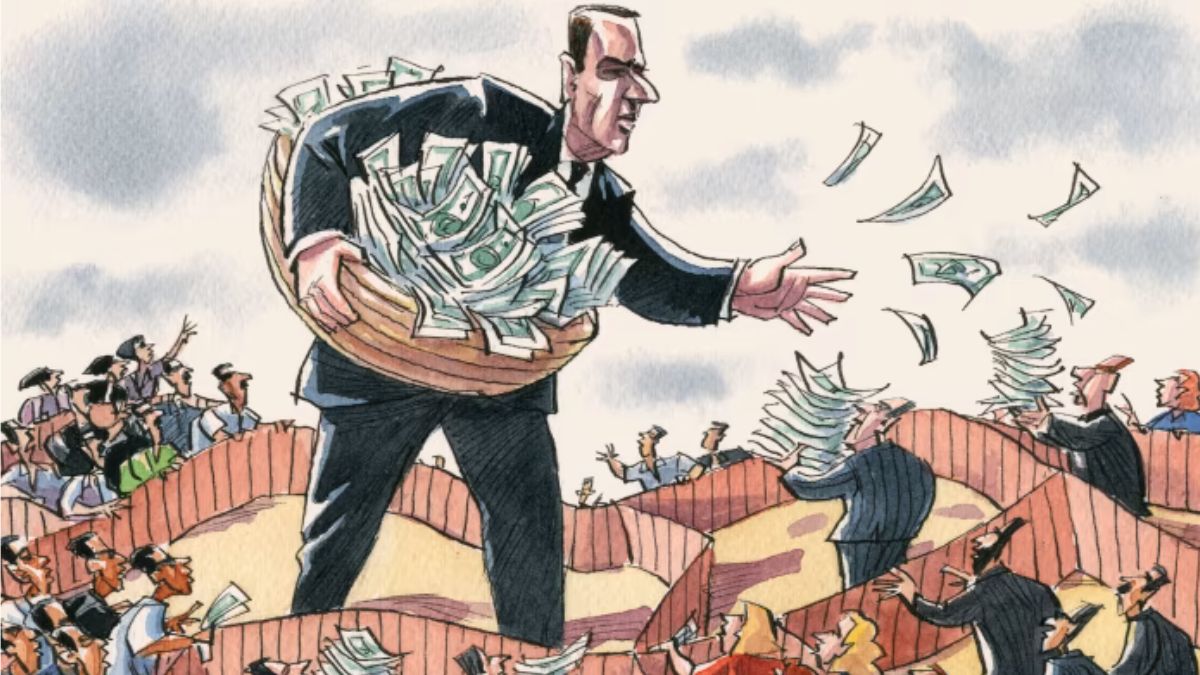
The global disparity in wealth demands greater commitment from affluent nations. Wealthy countries must enhance their aid contributions, focusing on health and poverty reduction projects. Equally important is ensuring that international trade agreements do not unfairly disadvantage developing nations. Facilitating access to medical, agricultural, and infrastructure innovations can empower these countries to build sustainable futures.
Education, particularly for girls, is a cornerstone in breaking the cycle of poverty. Expanding access to quality education transforms communities and empowers future generations. At the same time, investing in sustainable practices and resilience measures can mitigate the devastating impacts of climate change on livelihoods and health. Addressing conflicts and political instability, which often displace communities and stall development efforts, is essential to creating long-term stability.
These interconnected efforts—healthcare access, economic support, education, climate resilience, and conflict resolution—offer a roadmap to tackling poverty and disease on a global scale. While the challenges may seem overwhelming, collective action and sustained commitment can drive meaningful progress, ultimately leading to lasting and transformative change.




