

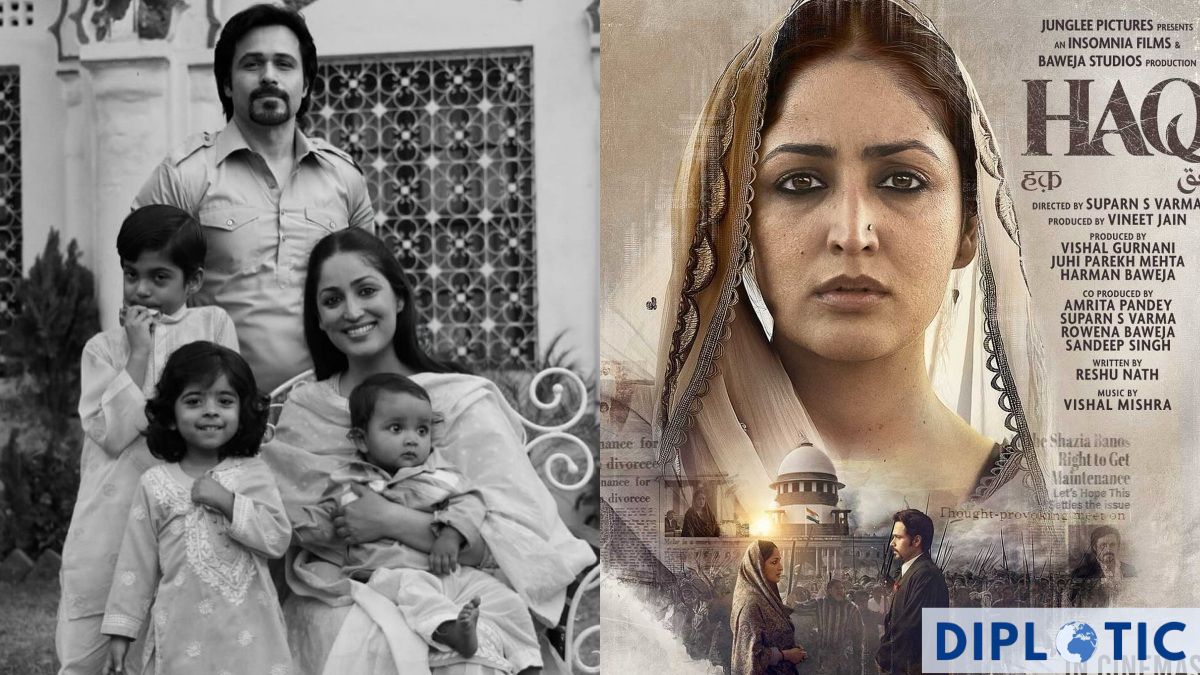
In a time when cinema often shies away from difficult social issues, Haq stands out as a gripping courtroom drama that takes audiences on an emotional rollercoaster. It tells the story of Shazia Bano, a devoted wife and mother, whose fight for dignity turns into a national conversation about justice, faith, and equality. Inspired by the landmark Shah Bano case of 1985, the film shows that a woman’s “Haq,” her right to respect, support, and fairness, is not something society can take lightly.
A Life Turned Upside Down
Set in India during the late 1970s and 1980s, Haq opens with Shazia Bano living what seems to be a stable family life. She is a loving mother of three and a supportive wife to Abbas Khan, a respected lawyer. But everything changes when Abbas returns from a long absence with a second wife, Saira. His remarriage, done without Shazia’s consent, shatters her world and marks the start of her emotional and social isolation.
Betrayal, Neglect, and the Struggle for Justice
What makes Haq so powerful is not only the heartbreak Shazia experiences, but the systematic denial of her basic rights. Abbas initially provides minimal financial support for their children, then withdraws even that, choosing avoidance and control over responsibility. In a final act of injustice, he pronounces triple talaq in an attempt to divorce her. However, Shazia clarifies that this does not count as a valid talaq under Sharia law, highlighting that her fight is about reclaiming her rights and dignity rather than accepting a misuse of religion.
Shazia’s return to her parents’ home is not defeat; it marks the first step in reclaiming her life. Challenging her husband’s refusal to maintain his family, she faces social pressure, courtroom hostility, and even discouragement from members of her own community. This struggle marks the beginning of her transformation from a silent sufferer to a woman demanding justice.
From Personal Struggle to Legal Battle
What starts as a personal conflict evolves into a courtroom battle that challenges deep-rooted patriarchal norms. Shazia takes her case through multiple courts, eventually reaching the Supreme Court of India. Her fight mirrors the historic Shah Bano case, raising crucial questions about women’s rights, maintenance after divorce, and how secular law intersects with religious practice.
This is not merely a fight for money; it is a fight for dignity. Shazia proves that a woman’s rights cannot be conditional, and justice must be applied equally, regardless of faith or tradition.
The Father’s Shadow: Strength Behind Courage
One of the most touching aspects of Haq is the unwavering support of Shazia’s father. His belief in her strength acts as a moral anchor during her darkest moments. Rather than silencing her, he encourages her to stand tall. The film shows that empowered daughters often rise when they are trusted, not controlled. His presence reinforces the idea that support can give women the courage to challenge injustice and reclaim their worth.
Claiming Her Haq: A Woman’s Journey
Haq is more than a courtroom drama; it is an emotional rollercoaster that forces viewers to confront uncomfortable truths about gender, faith, and justice. Through Shazia Bano’s journey from betrayal and abandonment to legal triumph, the film highlights that a woman’s right to dignity and support is non-negotiable, whether in marriage or after separation.
At its heart, Haq is a tribute to every woman who has been told to endure silently. It reminds us that claiming one’s “haq” is not only courageous, but it is necessary. The film leaves audiences reflecting on justice, morality, and the true meaning of a woman’s rights.




