

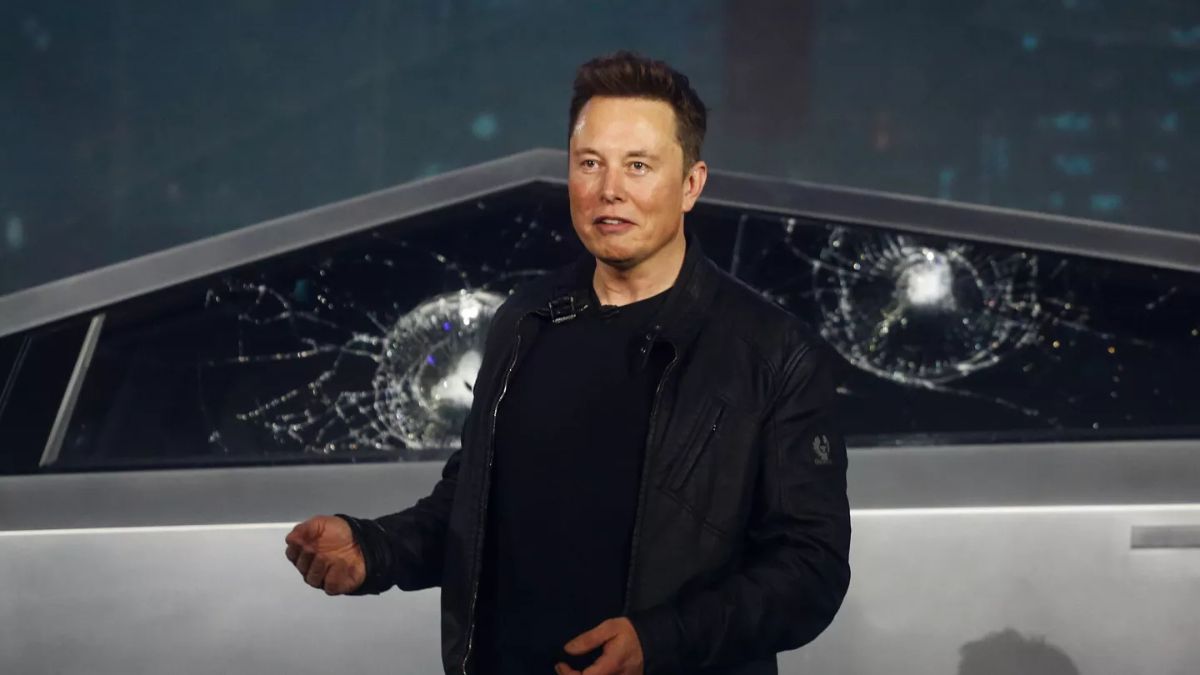
Tesla’s board has made a bold ultimatum: pay Elon Musk an unprecedented sum, or risk losing him. On Thursday, shareholders will vote on a pay package that could grant Musk up to $878 billion in stock if Tesla meets extraordinary performance targets. That figure would make it the biggest CEO payout in history—nearly nine times larger than the previous record. The company says it needs to keep Musk at the helm to turn Tesla into a robotics and artificial intelligence empire. Critics, however, call it corporate surrender, arguing that Tesla’s board has become hostage to the cult of its own founder. Behind the figures and flashy promises lies a deeper question about how much power a single man should hold in a public company, and whether fear of losing him has replaced sound corporate governance.
Betting the Company on One Man (300+ words)
The argument from Tesla’s board is simple: only Elon Musk can deliver the future they’ve been selling to investors. The plan is built on his vision of self-driving robotaxis, humanoid robots, and an AI-driven industrial revolution led by Tesla. If Musk achieves the goals set by the board, Tesla’s market value would skyrocket to $8.5 trillion within a decade—an unimaginable leap that would make it worth more than Apple, Microsoft, and Google combined. In that case, Musk would own roughly a quarter of the company.
Board chair Robyn Denholm and other directors have been clear in their message to investors: if Musk walks away, Tesla’s value could collapse. Musk himself reportedly told the board that without a new deal, he might focus on his other ventures—SpaceX, Neuralink, and xAI. For Tesla, whose $1.5 trillion valuation already depends heavily on Musk’s promises rather than profits, the threat carries weight.
Supporters see logic in the deal. They argue that Musk has built one of the world’s most valuable companies by sheer vision and execution, and that he has earned the right to be rewarded if he repeats that success. “If the stock goes up sixfold, I’ll make money too,” one investor said, echoing the view that Musk’s pay is tied to shared growth, not greed. But critics say that reasoning hides the real issue: a board that cannot say no.
Corporate governance experts warn that the plan gives Musk unchecked power and sends a dangerous message to the market—that Tesla’s board has become more loyal to its CEO than to its shareholders. The proposal effectively asks investors to choose between their money and their faith in one man. For some, that feels less like a vote and more like a ransom demand.
The Cult of Personality and the Collapse of Governance (300+ words)
Tesla’s problem is not only financial—it’s cultural. The company has been built around Musk’s public persona: bold, unpredictable, and unfiltered. Over the years, that image has helped Tesla dominate headlines and markets, turning its CEO into both a symbol of innovation and a lightning rod for controversy. Yet this same concentration of fame and power is what corporate governance experts say boards are supposed to avoid.
Charles Elson, a leading voice on corporate governance, calls Tesla’s board “held over the barrel by a superstar CEO.” In most companies, boards are expected to keep CEOs accountable, balancing their influence with the company’s long-term stability. But in Tesla’s case, the board’s repeated willingness to bend to Musk’s demands has raised serious questions. The size of his compensation package, experts say, breaks all precedents. Even if Musk misses most of the performance goals, he would still receive tens of billions—more than any other executive in corporate history.
Major shareholders, including the California Public Employees’ Retirement System (CalPERS) and Norway’s sovereign wealth fund, have publicly opposed the plan. They argue that Tesla is exposing itself to enormous “key person risk”—the danger of tying the company’s future entirely to one individual. Norges Bank, which manages Norway’s fund, said the proposal would dilute shareholder value and undermine the company’s independence.
At its heart, this vote is about power. The board insists that Tesla cannot afford to lose Musk. But critics point out that Musk already owns about 15% of Tesla’s stock. If the company’s value falls, he stands to lose more than anyone else. As one governance scholar put it, “This is a man holding a gun to his own head and saying, ‘Give me a trillion dollars.’” That image captures the strange balance of fear and admiration that defines Tesla’s leadership crisis: a board terrified to imagine the company without its founder.
The Economics of Fear: When a CEO Becomes Bigger Than His Company (300+ words)
Tesla’s market value tells its own story. Despite falling electric car sales and shrinking profit margins, the company remains valued at about $1.5 trillion—mostly based on future expectations, not current performance. Investors believe in what Tesla could be under Musk, not what it is today. That belief has become Musk’s greatest leverage.
In an October letter to shareholders, Tesla’s board argued that “without Elon, Tesla could lose significant value.” The message was unmistakable: Musk is the brand, and the brand is the company. David Larcker, a corporate governance researcher at Stanford, said the board’s stance reflects a cold economic truth—if Musk left and the stock crashed, directors would take the blame. Their careers, and their reputations, are tied to his success.
But critics say this is precisely why independent oversight exists. A board’s duty is to protect the company, not to protect its CEO from walking away. Gautam Mukunda of Yale warns that the situation has flipped upside down: instead of the board managing Musk, Musk is managing the board. He argues that Tesla’s directors are mistaking fear for strategy. Musk already holds enough Tesla shares to make him the world’s first trillionaire if the company grows as projected. Demanding nearly another trillion in potential payouts, Mukunda said, “is not incentive—it’s indulgence.”
The deeper issue is structural. Tesla reincorporated in Texas earlier this year after a Delaware judge struck down Musk’s previous $56 billion pay plan, calling it an “unfathomable sum” born from conflicts of interest. In Texas, shareholder lawsuits are harder to file, giving Musk even more protection. That shift shows how Tesla’s corporate framework has evolved not around accountability, but around insulating its leadership from challenge. What was once a company built on innovation is now built on legal walls and personal loyalty.
The Vote That Could Redefine Corporate Power (300+ words)
When shareholders cast their votes, they will not just be deciding how much Musk gets paid—they will be deciding how much control any CEO should be allowed to have. Tesla’s pay proposal is a test of the modern corporation: can a public company operate under the rule of one personality without losing its soul? The decision will also reveal how far investors are willing to go for short-term stock gains, even if it means weakening long-term governance.
Musk already has a major advantage. With his 15% stake, he holds a large block of votes. Under Texas law, he can vote those shares—something he was barred from doing in Delaware. That gives him enormous influence over the outcome. It also means the board’s proposal is not just a pay plan; it’s a strategic maneuver to secure Musk’s dominance over Tesla’s future.
If shareholders approve the package, Musk could receive the first $40 billion worth of stock as a “down payment” on his previous compensation deal, even as the company appeals the Delaware ruling. If they reject it, the board faces a dangerous unknown: Will Musk actually walk away, or is his threat only a bluff? The fear of that question is what keeps Tesla’s directors aligned behind him.
The bigger lesson, however, extends beyond Tesla. Around the world, companies are watching this vote as a case study in how far “founder power” can stretch before it snaps. When corporate boards start treating their CEOs like irreplaceable visionaries rather than accountable managers, the balance of capitalism itself begins to tilt. Tesla is now the stage for that struggle—a modern-day story of innovation, ego, and fear colliding inside the most valuable car company on earth.
Whether shareholders vote yes or no, one truth is already clear: Elon Musk has changed not only what cars look like, but what corporate power looks like. The question now is whether Tesla’s investors are still driving the company—or just passengers on his ride.




