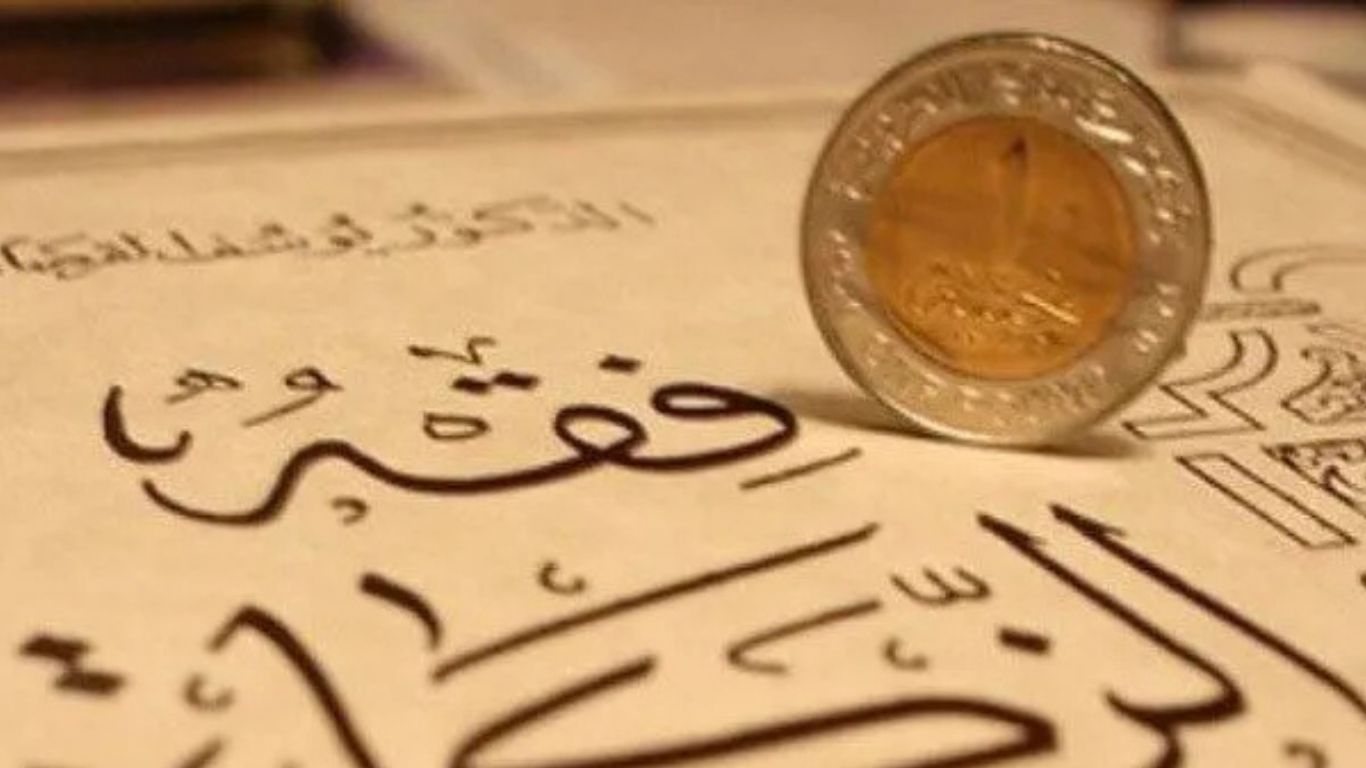
In the shadow of India’s Tirupati Balaji Temple, where devotees queue for hours to drop gold into a hundi box worth billions annually, or amid Pakistan’s Data Ganj Bakhsh shrine, where mosque alms feed the faithful, a quiet promise lingers: Your donation helps the needy. But as South Asia grapples with 200 million in extreme poverty—rates stubbornly above 20% in rural pockets despite economic booms—these religious coffers raise eyebrows. Do the rupees and rupees poured into temples and mosques truly lift the poor from mud floors to modest means? We unpack five claims fueling the debate, drawing on history, ethics, and hard scrutiny to reveal if divine giving delivers earthly relief—or merely divine dividends for the few.
Claim 1: Religious Donations Directly Provide Essential Aid to the Poor
The heartwarming tale: Temples and mosques act as community banks, doling out food, clothes, and cash from donation pots to the destitute. In Hindu traditions, the concept of dana (charity) is sacred, with texts like the Bhagavad Gita urging selfless giving; similarly, Islam’s zakat mandates 2.5% of wealth for the needy. Stories abound—Sikh gurdwaras in Punjab serving langar meals to thousands daily, or Sufi shrines in Bangladesh distributing alms during Ramadan—as proof that donations fuel on-the-ground relief.
Yet the direct link frays under examination. Historical context: Colonial-era religious endowments often funded public works like wells, but post-independence, many shifted to temple expansions. A 2023 study by the Observer Research Foundation (ORF) on Indian temple finances found that only 10-15% of Tirupati’s annual ₹3,000 crore hundi collections go to explicit welfare, with most earmarked for rituals and maintenance. Cross-referencing Pakistan’s Auqaf Department reports, mosque donations—totaling PKR 50 billion yearly—prioritize imam salaries and repairs, with aid programs reaching just 20% of funds amid bureaucratic leaks.
Philosophically, it’s a Kantian conundrum: Good intentions don’t guarantee outcomes if structures favor insiders. Trade-off? Small-scale aid shines locally but scales poorly, leaving systemic poverty untouched. Implication: This claim romanticizes sporadic charity, distracting from structural fixes like jobs or education, while donors pat themselves on the back.
Verdict: Misleading. Donations offer spotty direct aid, but it’s a drop in the poverty bucket, not a flood.
Claim 2: Temple and Mosque Funds Are More Efficiently Used for Poverty Reduction Than Government Programs
The pitch: Unlike bloated bureaucracies, religious institutions run lean, delivering aid without red tape. Faith-based efficiency is touted—volunteer-driven langars cost pennies per meal versus government subsidies mired in corruption. In Sri Lanka’s Buddhist viharas or Nepal’s Hindu trusts, the narrative holds that community oversight keeps funds pure, echoing Adam Smith’s invisible hand of moral markets.
But efficiency’s a mirage. Cross-check with a 2024 Transparency International report on religious philanthropy: Indian temple trusts score poorly on audits, with 30% of funds unaccounted for due to lax governance—worse than some state schemes. In Bangladesh, mosque waqf boards lost $100 million to mismanagement between 2018-2023, per government probes. Historical parallel: Mughal-era mosques funded public granaries effectively, but modern secular laws fragmented control, breeding nepotism.
Ethically, it’s hypocritical—religious leaders decry government graft while their own boards lack transparency, often appointing relatives to manage coffers. Wider consequence: Overreliance on faith funds absolves states of duty, widening gaps where poor Muslims or Hindus in minority areas get shortchanged. Contradiction? If efficiency reigns, why do government programs like India’s MGNREGA lift 50 million out of poverty annually, per 2025 World Bank data, while temple aid barely registers?
Verdict: False. Religious funds often suffer the same inefficiencies, amplified by weaker accountability.
Claim 3: Large Donations from Wealthy Devotees Trickle Down to Poverty Alleviation Through Religious Institutions
Imagine a tycoon dropping a diamond necklace into a temple hundi, or a billionaire funding a mosque expansion—the claim is that such grand gestures cascade to the masses via redistributed wealth. Rooted in trickle-down economics dressed in devotion, it’s bolstered by examples like the Vaishno Devi Trust’s ₹1,000 crore annual intake, purportedly funding rural scholarships.
Scrutiny reveals leaks. A 2022 Economic and Political Weekly analysis of South Asian religious economies shows 60-70% of big donations go to infrastructure—gilded domes, marble halls—rather than aid, as donors seek naming rights or tax breaks. In Pakistan, elite contributions to shrines like Lal Shahbaz Qalandar often build tourism infrastructure, boosting local economies indirectly but rarely targeting the ultra-poor. Social context: Caste and class dynamics skew benefits—Brahmin-led temple boards in India favor upper-caste villages, per a 2023 Dalit rights study.
Theoretically, it’s Rawls’ difference principle gone awry: Wealthy gifts should benefit the least advantaged, but power imbalances ensure elites capture most value. Trade-off? High-profile donations inspire giving but entrench inequality. Deeper implication: This myth sustains donor egos while masking how poverty persists amid opulent religious displays, fueling social resentment.
Verdict: Misleading. Trickle-down is more drip than downpour, often enriching institutions over individuals.
Claim 4: Religious Donations Foster Social Cohesion That Indirectly Reduces Poverty
The subtler angle: By building community ties—through festivals, shared meals, or mutual aid—temples and mosques knit societies tighter, creating networks that buffer against poverty. Drawing from Durkheim’s social solidarity, the idea is that faith funds communal events, like Diwali feasts or Eid distributions, which boost morale and informal economies, indirectly lifting all boats.
This has merit but limits. Cross-referencing a 2024 UNDP report on social capital in South Asia, religious networks do enhance resilience—rural mosque committees in Afghanistan shared funds during 2023 floods, aiding 10,000 families. In India, temple-run schools educate 5 million poor kids yearly, per government data. Historical echo: Medieval bhakti movements used pilgrim donations to fund itinerant aid, fostering inclusive bonds.
Yet cohesion can cleave. In polarized Pakistan, Sunni-dominated mosques exclude Shia areas, per Human Rights Watch, while Hindu-Muslim temple-mosque tensions in India divert funds to security over welfare. Ethical question: Does “cohesion” mask exclusion, where lower castes or minorities get crumbs? Contradiction: If indirect benefits abound, why do poverty rates remain high in devout regions like Uttar Pradesh (30% extreme poverty)? Implication: Social glue helps short-term, but without economic reforms, it’s a band-aid on a broken system.
Verdict: True. Donations do build indirect buffers through cohesion, though unevenly and insufficiently.
Claim 5: Reforms in Religious Institutions Could Make Donations a Powerful Tool Against Poverty
Optimists argue: With better governance—digital audits, dedicated welfare wings—temple and mosque funds could rival NGOs. India’s 2025 push for waqf reforms aims to unlock $20 billion in assets for development, while temple boards eye public-private partnerships for skill centers.
Hope meets hurdles. A 2023 UN poverty reduction strategy highlights faith-based potential but notes resistance from vested interests—priests and trustees who control flows. In Sri Lanka, post-2022 crisis, Buddhist temple funds were raided for personal gain, per local audits. Geopolitically, secular governments tread lightly to avoid backlash, as seen in Bangladesh’s 2024 mosque board overhaul sparking protests.
Philosophically, it’s utilitarianism’s test: Maximize good by reforming, or preserve tradition? Trade-off? Reforms risk alienating donors, cutting funds altogether. Strategic miscalculation: Without community buy-in, top-down changes flop, perpetuating poverty. Wider consequence: Successful pilots, like Kerala’s church-run poverty programs, could inspire, but scaling demands political will often lacking amid elections.
Verdict: Uncertain. Reforms hold promise, but entrenched powers and cultural sensitivities keep impact elusive.
In the ledger of faith and fortune, temple and mosque donations aren’t poverty’s panacea—they’re a complex chronicle of human generosity tangled in tradition’s knots. History shows their communal roots, but modern realities expose hypocrisies: Vast sums flow while millions hunger. Ethically, as South Asia eyes 2030 SDG poverty eradication, we must question if divine duty demands earthly accountability—or if spiritual solace suffices. The real donation needed? Transparency to turn holy hoards into helping hands. For a deeper dive into faith’s social role, explore the Britannica entry on religious philanthropy. On global poverty dynamics, the UN’s sustainable development overview provides stark context.