

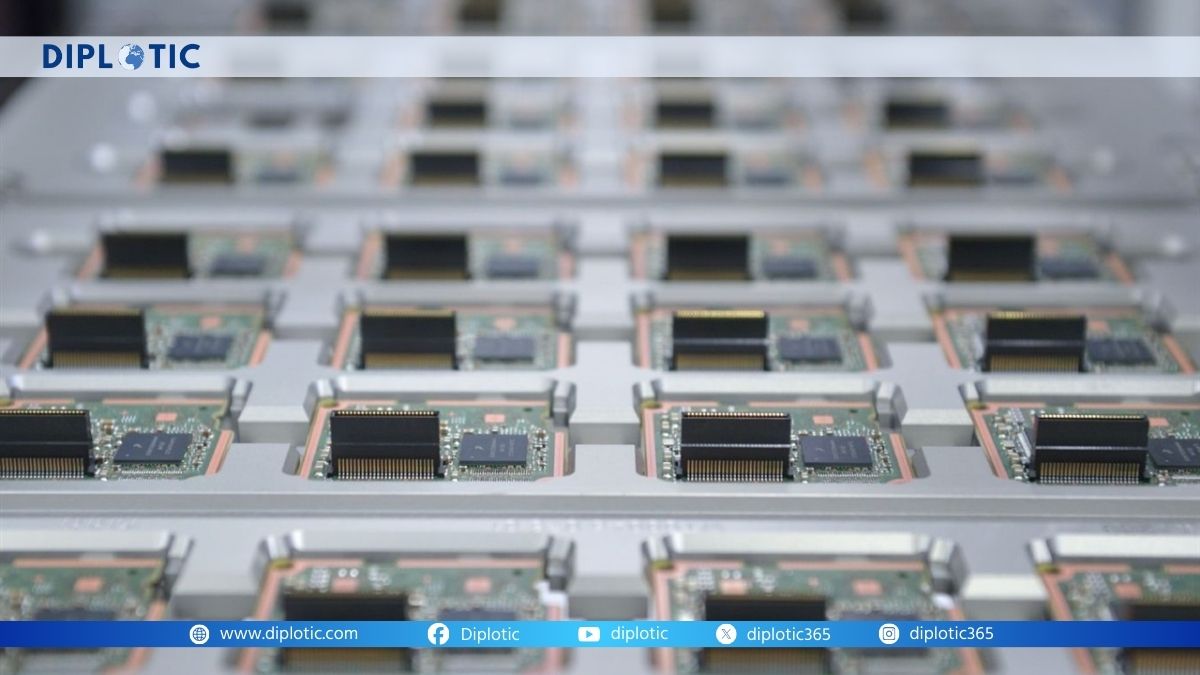
The world of technology has changed in ways few expected just a few years ago. For a long time, companies like Apple, Google, Amazon, Meta, and Microsoft bought their chips from specialists such as Nvidia, Intel, AMD, and factories like TSMC in Taiwan. This setup made sense. Specialization kept costs down and sped up innovation. Everyone focused on what they did best, and the global supply chain delivered. Now that model faces serious questions. Geopolitical tensions, trade restrictions, and supply disruptions have turned chip dependence into a major risk. Big tech firms are spending billions to design and make their own chips. The goal is not just better performance or lower prices. It is about gaining control over a key part of their business that outside forces could suddenly limit. This shift marks a move from seeing chips as simple parts to treating them as strategic assets, much like nations view energy supplies but with even higher stakes.
What broke the old system of buying chips from specialists?
The old way worked when the world felt stable. Taiwan makes about 60 percent of all semiconductors and over 90 percent of the most advanced ones. South Korea handles a large share too, with new plants growing in places like Arizona due to US laws. This narrow focus on a few spots created risks no one fully faced before. Tensions around Taiwan showed how fast access could become uncertain. The COVID shortages proved that just-in-time delivery could fail when factories slowed or ships delayed. Export rules blocked chips to certain countries for political reasons, not market ones. Each event alone could be handled. Together they showed that relying on outside suppliers meant depending on their locations, decisions, and politics.
Apple led the change years ago. It moved from Intel chips to its own M-series processors. The switch improved speed, but the real reason was control. Apple no longer waited on Intel’s plans, factory delays, or global issues. During the 2021-2022 chip shortage, competitors struggled while Apple kept launching products on time. This gave Apple an edge in timing and supply. Other companies watched and learned. For them, chips power data centers, AI training, cloud services, and devices used by billions. If Nvidia sets prices, limits supply, or faces restrictions, it directly affects their growth. Nvidia dominates AI chips because specialization once beat building everything in-house. Now, the risks of that dominance outweigh the benefits for those who depend most on compute power.
The comparison to energy helps explain the stakes. Oil and gas face disruptions, but alternatives exist. Solar, wind, nuclear, and other sources can be built at home with enough time and money. Reserves store energy for tough periods. New deposits get found. Semiconductors lack these options. No substitute matches their power at similar cost or scale. Building a top factory costs over $20 billion and takes years. The machines, like ASML’s extreme ultraviolet tools, come from almost nowhere else. Engineers with the needed skills are few and hard to move. Chips age fast, so stockpiles lose value quickly. Losing oil hurts economies. Losing advanced chips stops modern weapons, networks, factories, and AI progress. This makes chip control more vital than energy control in today’s world.
How do major tech companies approach their own chip designs?
Each company tailors its strategy to its needs, but the common thread is reducing outside risks. Amazon uses a mix of Intel, AMD, and its Graviton chips for AWS. Graviton does not always beat others in every test, but it gives options. When Intel delays or prices rise, or when global events limit supply, Amazon can shift workloads. This flexibility protects service levels and costs.
Meta builds MTIA chips for AI tasks like ranking posts, showing ads, and moderating content. These jobs run on billions of daily interactions. Custom chips cut costs and speed updates. More important, Meta controls its core systems without waiting on Nvidia’s schedule or facing sudden limits.
Microsoft takes a balanced path. It works with suppliers on some chips while designing its own for key jobs. This mixes outside expertise with growing independence. It lowers risks without full in-house costs from the start.
Google’s Tensor Processing Units started as research tools. They now power Search, YouTube, Photos, and cloud AI. They excel at machine learning, but the bigger win is freedom from Nvidia’s priorities. Google sets its own pace for new features and expansions.
These efforts cost billions and take years. Only the largest firms can afford them. Their scale in cloud and AI makes the investment worthwhile. Smaller players still buy from specialists. Yet the leaders’ moves reshape the industry. They signal that control matters more than marginal gains in speed or price.
Why does chip independence now rank above energy security in strategic terms?
Public talk often centers on energy—oil routes, gas pipelines, price swings. These issues matter for costs and stability. But energy has paths forward. Nations can switch fuels, build renewables, or store reserves. Semiconductors offer no real backup. The tools, knowledge, and places needed stay concentrated. Geopolitical lines now split supply chains. Export controls show access can close for reasons beyond business. Taiwan’s position adds a single point of failure unlike anything in energy.
For companies, the risk goes beyond money. It touches survival. If chip access drops, AI training slows, services lag, or new markets close. Competitors with their own chips keep moving. Nations face the same. Without chips, military tools, communications, and factories weaken. The economic hit is large, but the strategic one could change power balances for good.
This explains the rush. Tech giants see patterns—restrictions on Russia and China, Taiwan risks, past shortages. They calculate that billions spent now buy freedom later. The bets rest on a changed world where supply chains no longer run smoothly on trust and economics alone.
What does this shift mean for the future of technology and global power?
The move to in-house chips signals the end of one era and the start of another. Specialization once drove progress. Now, sovereignty in silicon takes priority. Companies and countries that secure their own supply gain options others lose. They face fewer delays, set their own terms, and build without fear of sudden cutoffs.
This change will take time. Factories and skills do not appear overnight. But the direction is clear. Vertical integration grows where computing forms the core of business. Nations push similar efforts through laws like the CHIPS Act. The result shapes who leads in AI, cloud, devices, and defense.
In the end, chips have become more than components. They enable everything else in a digital world. When access to them can be blocked by distant events, control becomes essential. Tech giants building their own chips are not chasing small advantages. They are protecting their place in a future where strategic autonomy decides winners more than cost curves or performance charts. As tensions rise and dependencies show their limits, this quiet but costly shift may prove one of the smartest moves of the decade.




