

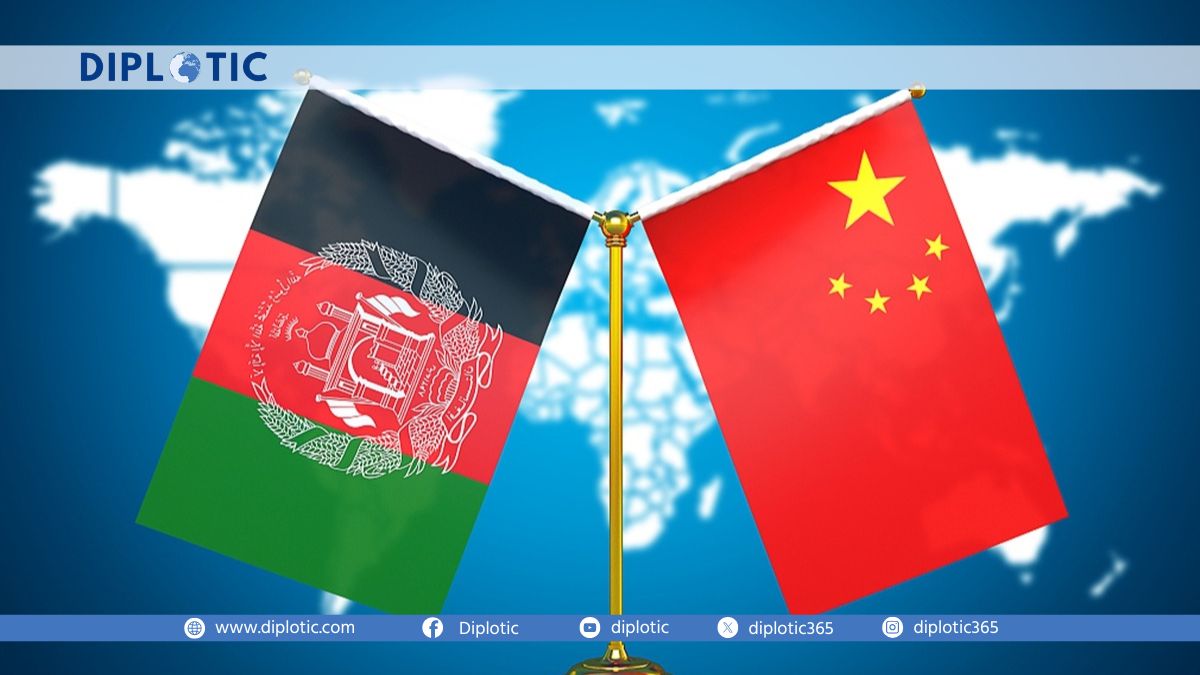
A Promising Start: The 2023 Oil Deal
In January 2023, turbaned Afghan officials and China’s engineers in hard hats gathered in Sar-e-Pul province to launch a landmark oil extraction project in the Amu Darya River basin, a vital Central Asian watershed. Hailed by China’s envoy Wang Yu as “an important project,” the deal with Xinjiang Central Asia Petroleum and Gas Co. marked the first major foreign investment in Afghanistan since the Taliban’s 2021 return to power. Under the 25-year contract, China pledged $540 million over three years to develop oil fields, with the Taliban’s Acting Minister of Mines and Petroleum, Shahabuddin Delawar, insisting oil be processed domestically to boost local industry. The joint venture, AfgChin Oil and Gas Ltd., promised thousands of jobs and millions in tax revenue, producing up to 12,000 barrels daily. X posts from the time buzzed with optimism: “China’s investment could stabilize Afghanistan.”
The deal aligned with China’s strategic goals: accessing Afghanistan’s $1 trillion in mineral resources and securing its border with Xinjiang, a region Beijing prioritizes for stability. For the Taliban, it offered economic legitimacy amid international sanctions. Yet, by June 2025, the deal collapsed, exposing deep mistrust. The Taliban accused the Chinese firm of failing to deliver promised investments, royalties, and infrastructure, while Chinese employees claimed the Taliban acted like “bandits,” seizing assets at gunpoint. This breakdown, detailed in NPR’s August 29, 2025, report, reveals the fragile dynamics between Beijing and Kabul, setting the stage for mutual recriminations and broader implications.
Mutual Accusations: Breach or Robbery?
The collapse stemmed from conflicting narratives. Afghanistan’s Ministry of Mines, backed by Prime Minister Mullah Mohammad Hassan Akhund, terminated the contract, alleging Xinjiang Central Asia Petroleum breached terms by missing investment deadlines, skipping royalties, and neglecting geological surveys and infrastructure. Spokesperson Hamaun Afghan noted the company’s unresponsiveness, per NPR. Conversely, Chinese employees accused the Taliban of forcibly taking over AfgChin’s operations, expelling workers “at gunpoint” and confiscating passports of 12 staff, effectively holding them hostage. One Chinese source described a Taliban demand: surrender equipment, bank accounts with millions, and a voluntary termination pledge to secure passport release. X users called it “extortion, not business,” with one stating, “The Taliban’s playing warlord, not partner.”
The human toll was stark. The wife of a detained employee, later freed, told NPR her husband suffered stress and lacked diabetes medication during confinement in AfgChin’s Kabul offices, guarded by Taliban intelligence agents. Nine of the 12 had passports returned after Chinese Foreign Minister Wang Yi’s August 2025 visit, with eight returning to China. Three remain in Kabul, handling the handover, unable to leave until the dispute resolves—a process stalled by Afghanistan’s lack of formal arbitration mechanisms. The Taliban now runs the oil fields, but output has plummeted due to inadequate expertise and safety measures, per Chinese sources. This clash—contractual failure versus coercive takeover—underscores the risks of investing in a sanction-hit, unstable regime, threatening future deals.
Geopolitical Stakes: China’s Afghan Ambitions
China’s swift engagement post-2021 U.S. withdrawal aimed to fill a power vacuum, eyeing Afghanistan’s strategic location and resources. Beijing’s $21 billion in regional investments, including Belt and Road pipelines, hinges on stability near Xinjiang, where the Taliban-backed East Turkestan Islamic Movement poses a security threat. Wang Yi’s July 2021 meeting with Taliban leader Abdul Ghani Baradar in Tianjin signaled early cooperation, with China urging a crackdown on the separatist group. The oil deal was a test case, but its failure echoes China’s stalled Mes Aynak copper mine, delayed since 2008 by security and archaeological issues. X posts note, “China’s Afghan bets keep flopping.”
The fiasco highlights broader challenges. For China, the Taliban’s actions—likened to “robbery” by employees—undermine trust in a partner meant to honor international law. For the Taliban, the deal’s collapse reinforces isolation, as sanctions and lawlessness deter investors. Yet, both sides strive to salvage ties. Wang Yi’s August 2025 Kabul visit secured partial employee releases and reaffirmed support for Afghan stability, per China’s Foreign Ministry. Former Afghan diplomat Omar Samad warned that mishandling this dispute could jeopardize broader relations. If unresolved, it may chill China’s ambitions, limiting access to Afghanistan’s lithium and copper by 2030, while the Taliban’s economic woes deepen without foreign capital.
Future Horizons: Lessons and Risks
The oil deal’s collapse exposes the perils of investment in Taliban-ruled Afghanistan. The Taliban’s invitation to other oil companies to bid on Amu Darya fields signals a pivot, but Chinese employees warn that without respecting investors, Kabul will struggle to attract capital. The lack of dispute resolution mechanisms, coupled with sanctions, creates a hostile environment. X sentiment is grim: “No one’s investing in a place where guns trump contracts.” China, meanwhile, may recalibrate, favoring smaller, less risky projects or tightening terms, as seen in its cautious African investments.
For Afghanistan, the fallout risks long-term stagnation. The oil fields, now producing less, highlight the Taliban’s technical limits, while detained workers’ plight—three still in Kabul—underscores human costs. By 2030, without legal reforms or diplomatic thaw, Afghanistan could remain a pariah, losing billions in potential revenue. China’s broader relationship with the Taliban persists, driven by geopolitical needs, but trust is frayed. A path forward requires transparent arbitration and Taliban concessions on investor rights, else future deals may mirror this failure, leaving both sides poorer and Asia’s resource map unchanged.




