

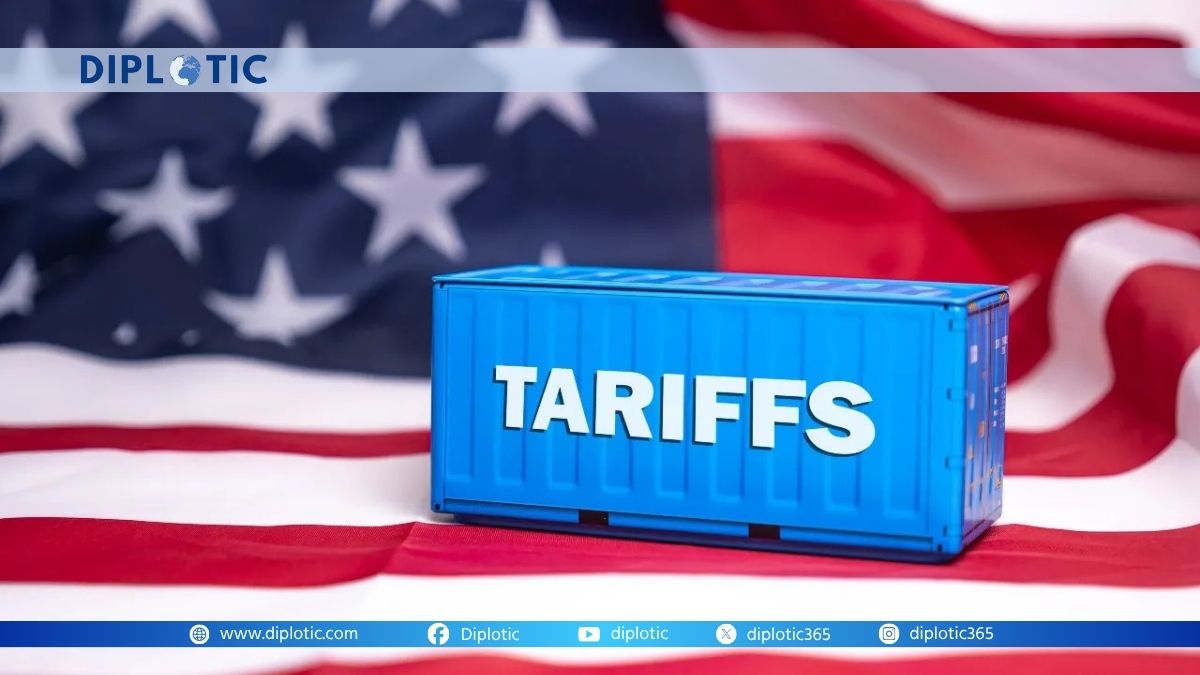
As 2025 draws to a close, attention focuses on the U.S. Supreme Court and its upcoming ruling on President Donald Trump’s broad tariffs. These duties, tied to emergency powers under a 1977 law, have raised costs for businesses and consumers while aiming to address trade imbalances. The case tests how far a president can go in setting trade policy without Congress. Oral arguments in November showed justices questioning the approach, and a decision could come soon. This piece examines the legal fight, possible outcomes, and wider effects, based on recent developments.
What Sparked the Legal Challenge to These Tariffs?
The dispute centers on Trump’s use of the International Emergency Economic Powers Act, or IEEPA, to impose tariffs. In early 2025, he declared emergencies over drug trafficking and trade deficits, leading to duties on imports from many countries, including China, Canada, and Mexico. These added to existing tariffs, pushing rates higher in some cases. No president had used IEEPA this way before—it typically handles sanctions, not broad duties.
Challenges came quickly from businesses and states. Lower courts ruled against the tariffs. One court said IEEPA does not allow such measures, as the law mentions regulating imports but not taxing them. An appeals court agreed in August, calling the actions beyond the law’s scope. The administration appealed, and the Supreme Court took the case on a fast track, hearing arguments on November 5.
During those arguments, several justices expressed doubt. They noted IEEPA lacks the word “tariff” and questioned unlimited presidential power here. Some pointed to Congress’s role in taxes under the Constitution. Others worried about practical issues, like refunds if duties are struck down. Background shows Congress has set limits in other trade laws, such as short-term rates for imbalances. Related views highlight how past presidents used narrower tools. Why did this reach the Court so fast? The tariffs affect billions in trade, and delays could disrupt supply chains. The case spotlights balance between executive action and legislative authority, raising questions about future emergency uses.
Why Did Justices Show Skepticism During Arguments?
The November session lasted hours, with tough questions for the government. Justices from both sides pressed on whether “regulate” in IEEPA includes tariffs. Some compared it to bans, suggesting duties are different as they raise revenue. Conservative justices also raised concerns about delegating taxing power without clear limits.
The administration argued tariffs fit as a milder option than blocking imports entirely, and presidents need flexibility in foreign affairs. Challengers countered that Congress intended IEEPA for threats like sanctions, not general trade fixes. Experts note lower courts split but leaned against broad use. Parallel insights from history show earlier laws allowed temporary surcharges, but with caps IEEPA lacks.
Other angles include economic impacts. Duties have raised prices for goods like electronics and vehicles. Businesses filed suits to protect refund rights, expecting possible changes. Refunds could reach hundreds of billions if past payments are covered. Why the skepticism? Justices seemed focused on text and intent, avoiding unchecked power. This could limit not just tariffs but other emergency claims. The arguments suggest a close call, with outcomes ranging from full uphold to narrow limits.
What Outcomes Might the Court Consider?
Analysts outline several paths. The Court could uphold the tariffs, deferring to presidential foreign policy needs. This would keep current rates in place, allowing quick responses to trade issues.
More likely, based on questions, it might rule IEEPA does not cover broad duties. This could invalidate many 2025 increases, forcing reliance on other laws with stricter rules, like industry-specific probes. The decision might apply forward only, avoiding massive refunds, or include past payments.
Congress could act to end the emergency, though political hurdles make this hard. The president might adjust rates or shift to negotiated deals. Trading partners could rethink agreements if duties change.
Related factors include global reactions. Some countries diversified supply chains amid uncertainty. Domestic effects hit importers hardest, passing costs to consumers. Why these options? The Court balances precedent with modern needs, noting IEEPA’s history avoids revenue tools. A narrow ruling could guide future uses without overturning all.
How Might This Ruling Affect Trade and Power Balance?
A decision against broad IEEPA use could reshape policy. The administration has alternatives, but they require more steps, like investigations. This might slow new duties but target specific issues.
Upholding them could expand executive tools, raising delegation concerns. Broader implications touch separation of powers—Congress sets taxes, yet delegates in trade. Refunds, if ordered, could strain budgets but aid affected firms.
Connecting to ongoing trade, recent US-China deals lowered some rates, showing negotiation works alongside pressure. Global partners watch closely, as outcomes affect alliances and chains. Will this clarify limits or invite more fights? The ruling, expected soon, could stabilize rules or spark shifts, linking executive reach today to future governance. As markets adapt, the balance between quick action and checks remains key.




