

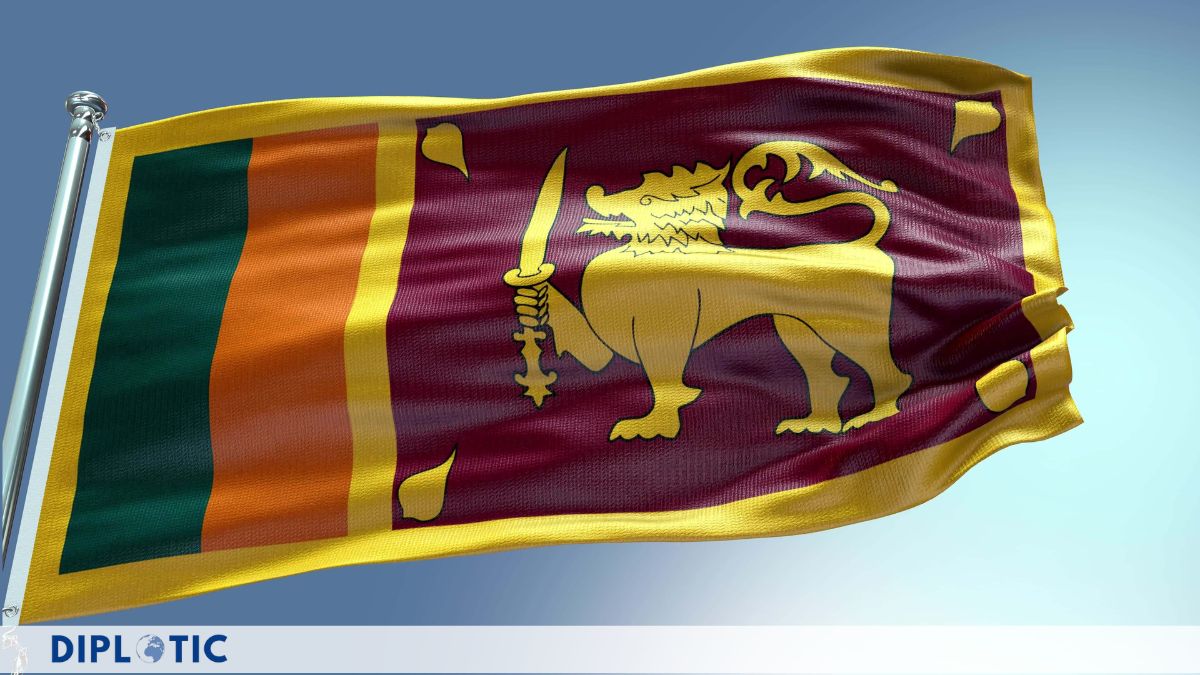
Sri Lanka has launched a major campaign to draw global investors to the Port City Colombo, a $15 billion reclaimed-land project off the capital’s coast. In recent months, officials held roadshows in cities like London, Bangkok, Dubai, and Singapore, highlighting tax breaks, full foreign ownership, and profit repatriation. The effort positions the 269-hectare development as a multiservice special economic zone for finance, trade, and living. It began as part of China’s Belt and Road Initiative with a $1.4 billion initial investment from China Harbour Engineering Corp. (CHEC) in 2014. Now, Sri Lanka stresses government ownership and strong legal protections, including international arbitration. The push comes as the country seeks economic recovery and aims to turn the complex into a regional hub connecting South Asia, Southeast Asia, Africa, and the Middle East. Yet questions remain about whether these incentives will overcome past controversies, economic risks, and investor doubts. With completion eyed around 2041, the project tests Sri Lanka’s ability to balance ambition with stability in a competitive global landscape.
What Incentives Is Sri Lanka Offering to Global Investors?
The Port City Colombo offers some of the region’s most attractive terms for foreign capital. Investors can enjoy 100% ownership, free movement of funds, and full repatriation of profits. Strategic real estate projects qualify for corporate income tax holidays of up to 15 years. Eligible businesses receive a reduced 7.5% corporate tax rate for four years. These measures aim to draw finance, hospitality, education, health care, and retail players. The site includes five districts: Financial District, Marina District, International Island, Central Park Living, and Island Living. A luxury yacht marina, convention venues, hotels, and residences are planned.
Officials pitch the location as a gateway to 2.4 billion consumers across multiple regions, near one of the Indian Ocean’s busiest shipping lanes. Thulci Aluwihare of CHEC Port City Colombo says the project is moving from infrastructure to commercialization. Eight land parcels already have reservations, including a $120 million marina by Browns Investments and $112 million Bay One Residences by International Construction Consortium. Work on the Colombo International Financial Centre and a flagship hotel is set to begin soon. Five more parcels are open for lifestyle, entertainment, hospitality, commercial, and retail developments.
Sri Lanka’s ambassador to Japan, Pivithuru Janak Kumarasinghe, has actively promoted the site in Tokyo and Osaka, engaging over 200 Japanese companies since 2025. The embassy organizes policy briefings with JETRO and matchmaking sessions. These incentives reflect a strategy to offset past economic troubles and attract long-term capital. Yet experts note that tax breaks alone may not suffice; progress, stability, and market absorption will ultimately decide success.
How Has the Project Evolved Since Its Belt and Road Origins?
The Port City started in 2014 with CHEC’s $1.4 billion investment to reclaim land and build core infrastructure. It formed part of China’s Belt and Road Initiative, raising concerns about debt and sovereignty. After economic crises and political changes, Sri Lanka shifted emphasis to full government ownership through the Colombo Port City Economic Commission. The legal framework provides strong protections, including international arbitration, to reassure investors.
Construction has accelerated in phases. Phase one delivered basic infrastructure and hosted events under lights by late 2025. Phase two focuses on expanding seating and facilities. Duty-free shops and restaurants now operate on site, overlooking key districts. Backers describe it as a long-term endeavor, with full completion around 2041. Thulci Aluwihare stresses that it complements hubs like Singapore and Dubai, offering cost efficiencies, skilled talent, and strategic location.
The project has faced scrutiny over transparency and environmental impact. Reclaimed land raises questions about sustainability in a coastal zone prone to erosion and climate risks. Yet supporters highlight institutional-grade regulation and a globally oriented ecosystem. Recent roadshows show active outreach to key markets, including Japan. This evolution reflects Sri Lanka’s attempt to reframe the initiative as a national asset rather than a foreign-led venture, aiming to attract diverse investors while maintaining control.
What Challenges and Risks Could Affect Investor Confidence?
Several factors complicate the Port City’s path. The scale—nearly 15% of Sri Lanka’s GDP—demands sustained commitment over decades. Oxford Economics director Sergi Lanau notes that initial investments may start small, with more funds following only if profitability emerges. Market absorption remains a concern; real estate demand depends on broader economic growth and investor confidence.
Murtaza Jafferjee of the Advocata Institute views it as a real estate project framed as an economic zone. Viability hinges on economic performance and capital availability. European investors, like Leif Ohlson from the Sweden-Sri Lanka Business Council, call for better transparency and visibility in markets like the Nordic countries. Occasional fairs are not enough; consistent marketing is needed.
Political and financial risks add layers. The $1 billion fee for permanent membership could strain budgets. Past debt issues make large commitments sensitive. Environmental and social concerns, including coastal impacts and community effects, require careful management. Almas Holdings chairman Imtiaz Buhardeen sees progress accelerating, with structures building confidence. Yet he acknowledges the generational timeline—15 to 20 years is normal for such developments.
These challenges highlight the balance Sri Lanka must strike. Incentives attract interest, but sustained stability, clear progress, and transparent governance will determine whether capital flows in steadily or hesitates.
What Does the Port City Say About Sri Lanka’s Economic Strategy?
The Port City reflects Sri Lanka’s broader push for recovery and growth. After economic crises, the project aims to draw foreign capital, create jobs, and position the country as a regional hub. It combines infrastructure ambition with incentives to overcome past setbacks. The shift from Belt and Road focus to government-led ownership and international arbitration shows adaptation to build trust.
Success could bring finance, tourism, and trade benefits, strengthening ties with markets like Japan and Europe. It offers a model for special economic zones in developing nations. Yet risks remain: overreliance on one project, environmental costs, and dependence on global confidence. The campaign’s intensity signals urgency, but long-term outcomes depend on execution and economic stability.
Sri Lanka’s outreach for the Port City Colombo connects past challenges to future hopes. From its Belt and Road start to today’s global roadshows, the project tests the country’s ability to attract investment while safeguarding interests. Incentives draw attention, but progress, transparency, and stability will decide results. If managed well, it could anchor growth; if not, it risks becoming another ambitious plan that falls short. The next few years will show whether this $15 billion vision delivers lasting value or highlights familiar limits. As construction accelerates and investors weigh options, the Port City remains a key indicator of Sri Lanka’s economic direction.




