

SpaceX’s Starbase facility in Texas faces renewed scrutiny as worker injury rates remain far higher than industry peers in 2024, despite the company’s rapid technological breakthroughs. What’s driving these alarming numbers, and what does it mean for the future of space industry safety?
Starbase: Breaking Barriers but at What Cost?
SpaceX’s Starbase, a hub of innovation launching the cutting-edge Starship vehicle, is setting records of a more troubling kind. In 2024, its worker injury rates were nearly six times higher than the space vehicle manufacturing average and almost triple the rate for aerospace manufacturing overall.
Starbase’s Total Recordable Incident Rate (TRIR) for 2024: 4.27 injuries per 100 workers
Industry average (space vehicle manufacturing): 0.7 injuries per 100 workers
Industry average (aerospace manufacturing): 1.6 injuries per 100 workers
These outlier rates have persisted since 2019, when Starbase began submitting separate injury statistics to federal regulators. The facility averaged 2,690 workers in 2024, with 3,558 restricted-duty days and 656 lost-time days reported due to injuries that left employees unable to perform their regular duties.
Rapid Progress, Persistent Risks
Starbase is central to SpaceX’s most ambitious project: the development of the Starship, a fully reusable, ultra-heavy-lift rocket. Since the first orbital test in April 2023, there have been eight integrated flight attempts. Three of those tests achieved historic milestones, such as the capture of the Super Heavy booster with massive “chopstick” arms.
However, the pace required to chase these breakthroughs appears to come at a human cost. Starbase’s injury record contrasts sharply with the dramatic improvements in worker safety seen industry wide. For perspective, the same sector’s average TRIR dropped from 4.2 injuries per 100 workers in 1994 to just 0.7 in 2023.
Comparing SpaceX and the Competition
Even when measured against other SpaceX manufacturing facilities, Starbase stands out for the wrong reasons:
| Facility | TRIR (2024, Injuries per 100 Workers) |
| Starbase | 4.27 |
| McGregor, TX (engine testing) | 2.48 |
| Bastrop, TX (Starlink) | 3.49 |
| Hawthorne, CA (Falcon rockets) | 1.43 |
| Redmond, WA (satellite division) | 2.89 |
| West Coast booster recovery ops | 7.6 |
| ULA (Decatur, AL) | 1.12 |
| Blue Origin (Florida) | 1.09 |
| Industry Average (Aerospace) | 1.6 |
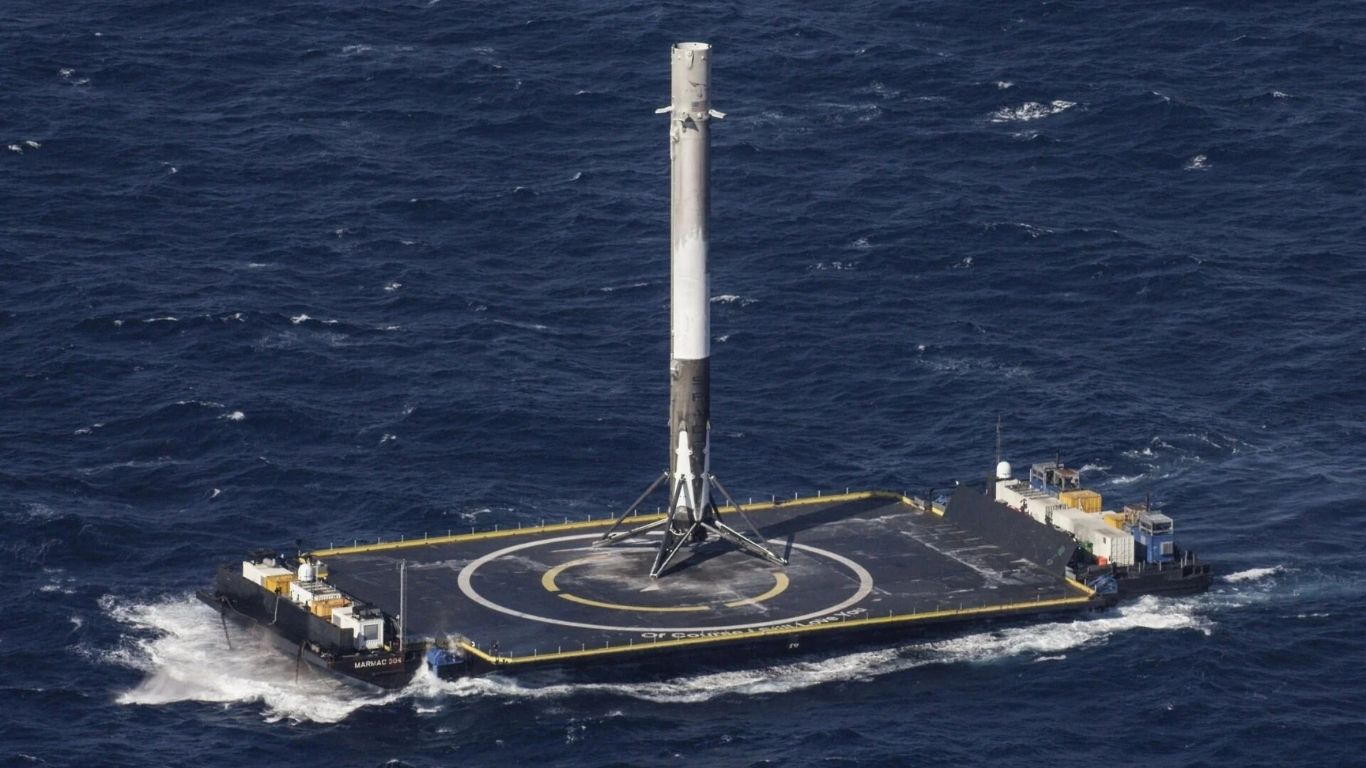
Most SpaceX manufacturing sites report injury rates above the industry average, but Starbase leads by a significant margin, surpassed only by its West Coast booster operations which involve high-risk sea recovery tasks.
OSHA Attention and Safety Debates
The Occupational Safety and Health Administration (OSHA) has conducted 14 inspections at SpaceX facilities in the past four years, with six focusing on Starbase after incidents such as a partial finger amputation in 2021 and a crane collapse in June 2025. The latter incident is still under investigation. Independent investigations have revealed even more cases, including some severe and previously unreported injuries.
OSHA’s metric, the TRIR, is helpful for benchmarking safety but doesn’t distinguish between minor and severe incidents. This has led some professionals to question its reliability as the sole indicator of workplace safety, especially in industries or companies experiencing fast growth and frequent changes.
NASA’s Eyes on Starbase
NASA is directly invested in Starbase’s developments, channeling more than $4 billion into Starship for lunar missions. The agency’s contracts include clauses addressing safety breaches, but a high injury rate alone doesn’t trigger contract actions unless major violations or repeated willful incidents occur. NASA officials emphasize “safety is paramount” and continue to work closely with SpaceX to monitor and improve safety practices.
Progress But Not Enough?
Notably, Starbase’s TRIR for 2024, while still high, dropped from 5.9 in 2023 and 4.8 in 2022. However, it remains significantly above sector norms and signals ongoing challenges.
“Starbase’s TRIR is a red flag that there are serious safety issues that need to be addressed.” Former OSHA chief of staff Debbie Berkowitz.
Why so high? Experts point to breakneck workflow, high-risk tasks, and rapid build cycles. As SpaceX charges ahead with visionary projects, its safety culture will face even brighter scrutiny from regulators, NASA, and the industry at large.
Conclusion: Striking the Balance
The stunning achievements at Starbase have cemented SpaceX’s role as a trailblazer. But sustained high worker injury rates expose vulnerabilities that can no longer be ignored. As SpaceX and its rivals strive for the stars, robust safety must become as fundamental as rocket science for the next era of human spaceflight.




