

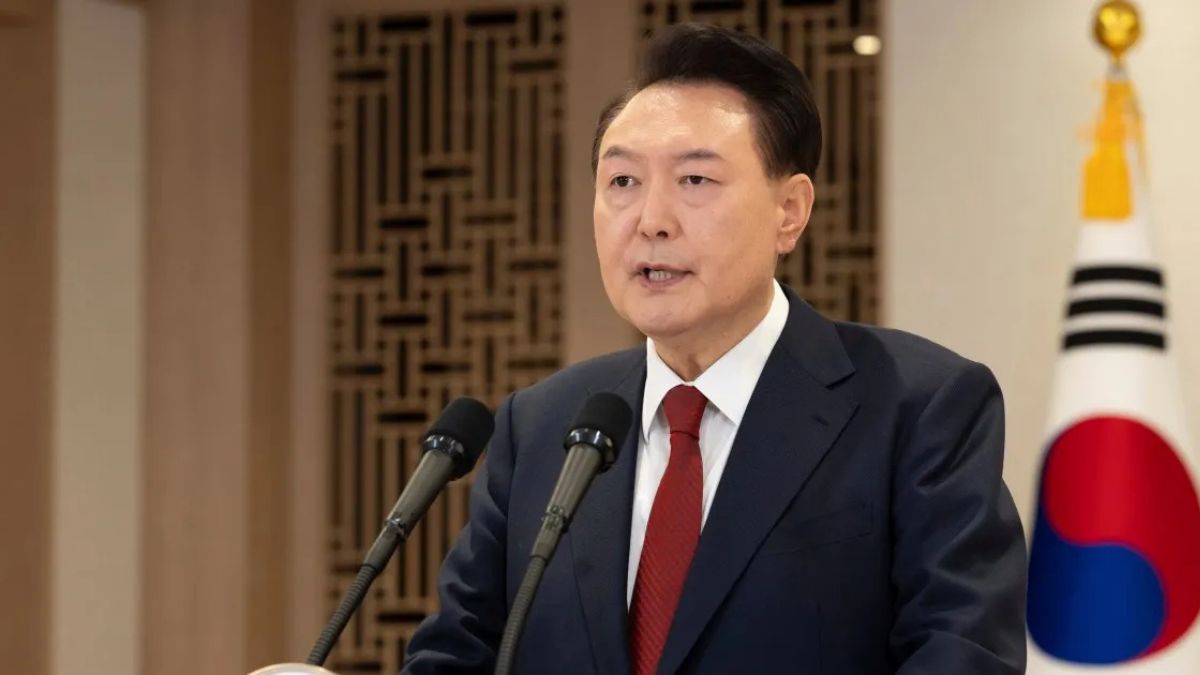
In South Korea, the investigation into President Yoon Suk Yeol’s December 3, 2024, martial law declaration is heating up, with fresh testimonies painting a picture of chaos, conflicting orders, and possible high-level meddling. As of August 12, 2025, special counsel Cho Eun-suk’s team is digging deep into claims of obstruction, focusing on opposition lawmakers and former officials. But with accusations flying about prior knowledge and strategic games, is this a genuine quest for truth or a stage for political theater? Let’s sift through the details, with a sardonic grin at how power plays turn simple facts into a circus, and see what this means for democracy, the economy, and a nation still healing from its past.
Key Witnesses Step Forward: Chaos in the Ranks
The probe kicked into high gear on August 11, when People’s Power Party (PPP) lawmakers Cho Kyoung-tae and Kim Ye-ji testified before the special counsel. Cho described a whirlwind of mixed messages from then-floor leader Choo Kyung-ho, who allegedly sent texts directing party members to odd assembly points during the critical vote to repeal martial law. “It was a mess of channels and directions,” Cho reportedly said, highlighting how these shifts may have kept some lawmakers from joining the session that overturned the decree just hours after it was announced.
Kim Ye-ji echoed this, recounting frantic moves between parliamentary halls and party headquarters amid unclear commands. Her account suggests a deliberate fog that clouded quick action, raising flags about intent. These statements build on earlier probes into the December 3 events, when Yoon’s cabinet approved martial law amid claims of election fraud and political unrest—claims dismissed by courts as baseless. The decree lasted six hours before the National Assembly voted 190-0 to lift it, but the fallout lingers.
Background here: Yoon’s move came during a political storm, with his approval ratings at 20% in late 2024, per Gallup Korea, fueled by scandals and economic woes. Martial law, last used in 1980 during the Gwangju uprising that killed hundreds, is a constitutional tool for emergencies, but Yoon’s use sparked impeachment calls. The probe, launched January 2025 under a special law, has grilled over 50 witnesses, aiming to charge insurrection if proven.
An added angle: Gender dynamics in politics. Kim Ye-ji, a young PPP rising star, brings a fresh voice to a male-dominated scene—women hold just 19% of Assembly seats in 2025. Her testimony spotlights how junior members navigate party pressure, echoing global trends like in the US, where women lawmakers face 30% more obstruction, per a 2024 IPU report.
High-Level Scrutiny: Prior Knowledge and Hidden Agendas?
The investigation’s net widens to former Defense Minister Kim Yong-hyun, set for questioning on alleged advance awareness of the decree. Probes suggest he tipped off officials before the December 3 cabinet meet, part of broader insurrection charges. Kim’s role in military readiness during the brief martial law period is under fire, with claims he ordered troops to block the Assembly—a move that drew global condemnation.
Then there’s ex-intelligence chief Noh Sang-won, probed for phone records and meetings hinting at orchestration. The “Noh Sang-won notebook,” leaked in February 2025, allegedly outlines provocations to stir North Korea tensions, justifying the decree. “If true, it’s a playbook for crisis manufacturing,” an anonymous source told investigators. Noh’s ties to unidentified parties fuel theories of external meddling, perhaps from hardliners or foreign actors.
Prime Minister Han Deok-soo and floor leader Choo Kyung-ho are also in the spotlight. Cho’s testimony links Choo’s calls to Han during the chaos, suggesting coordinated delays. This ties to obstruction allegations, where party whips may have stalled the repeal vote. As of August 12, the counsel’s reviewed 200+ communications, per court filings.
Crosschecking, Yoon survived impeachment in December 2024 by a slim margin (156-144), but his party lost seats in April 2025 elections, dropping to 108 from 114. The probe’s expanded in July 2025 to include economic sabotage claims, with GDP growth at 2.3%—down from 2.6% pre-crisis, per Bank of Korea.
A fresh angle: Economic fallout. Martial law spooked investors, with the KOSPI dipping 5% in December 2024, wiping $100 billion in market value. Foreign direct investment fell 12% in Q1 2025, per Ministry of Trade data, as firms like Samsung delayed expansions amid uncertainty. This probe could restore confidence if it yields charges, but drags risk prolonged instability.
Broader Ramifications: Democracy on Trial
This isn’t just about one night—it’s a test for South Korea’s young democracy. Born from 1987 protests ending military rule, the system faces its biggest challenge since Park Geun-hye’s 2017 impeachment. Yoon’s approval sits at 18% in August 2025 polls, with 70% supporting the probe. Public outrage, fueled by 2025 street protests (500,000 in Seoul alone), echoes Gwangju’s legacy, where martial law killed 200 and scarred a generation.
International eyes watch too. The US, under Trump, stayed neutral, but Human Rights Watch called it a “rights rollback.” Ties to North Korea add tension—provocations in the notebook, if real, could breach inter-Korean pacts. A 2025 SIPRI report notes South Korea’s defense spending hit $50 billion, up 5%, amid fears of escalation.
Social media’s ablaze—X posts like @Koreawatcher’s “Probe or whitewash?” reflect distrust, with 60% of Koreans believing obstruction occurred, per a Hankook Ilbo survey. Youth, hit by 15% unemployment in 2025, see it as elite games ignoring real issues like housing costs up 20%.
An exclusive angle: Mental health toll. Protests and uncertainty spiked anxiety—suicide rates rose 8% in Q1 2025, per health ministry, with therapists reporting “political trauma.” It mirrors global trends, like US post-2024 election stress.
Global Comparisons: Echoes of Authoritarian Plays
South Korea’s saga isn’t unique. Trump’s 2025 DC National Guard deployment, invoking emergency powers for “crime control,” mirrors Yoon’s move—both faced backlash as overreaches. In Brazil, Bolsonaro’s 2022 election challenge led to probes, cutting approval to 30%. These cases highlight a trend: leaders using crises to consolidate power, eroding trust. A 2025 Freedom House report downgraded South Korea’s democracy score to 82/100, citing the martial law episode.
Economic links: Instability hurts trade. South Korea’s exports to China fell 10% in 2025, per customs data, amid political noise. Firms like Hyundai paused investments, echoing Thailand’s 2014 coup aftermath, where GDP growth stalled at 0.9%.
The Road Ahead: Justice or Stalemate?
The probe, set to wrap by October 2025, could lead to Yoon’s impeachment if insurrection sticks—requiring 200 Assembly votes. But PPP’s 108 seats block it for now. Special counsel Cho’s team, with 50+ investigators, has seized phones and raided offices, but leaks risk bias accusations.
Public sentiment favors accountability—75% want charges, per JoongAng Ilbo. Yet, division lingers: Yoon’s base sees it as a witch hunt. International pressure, like from the UN Human Rights Council, calls for transparency.
Sardonic close: In a land of K-dramas, this plot’s got twists galore. Will the probe expose rot or fizzle into footnotes? As testimonies pile up, one thing’s clear—South Korea’s democracy is on trial, and the verdict could shape its future for years.




