

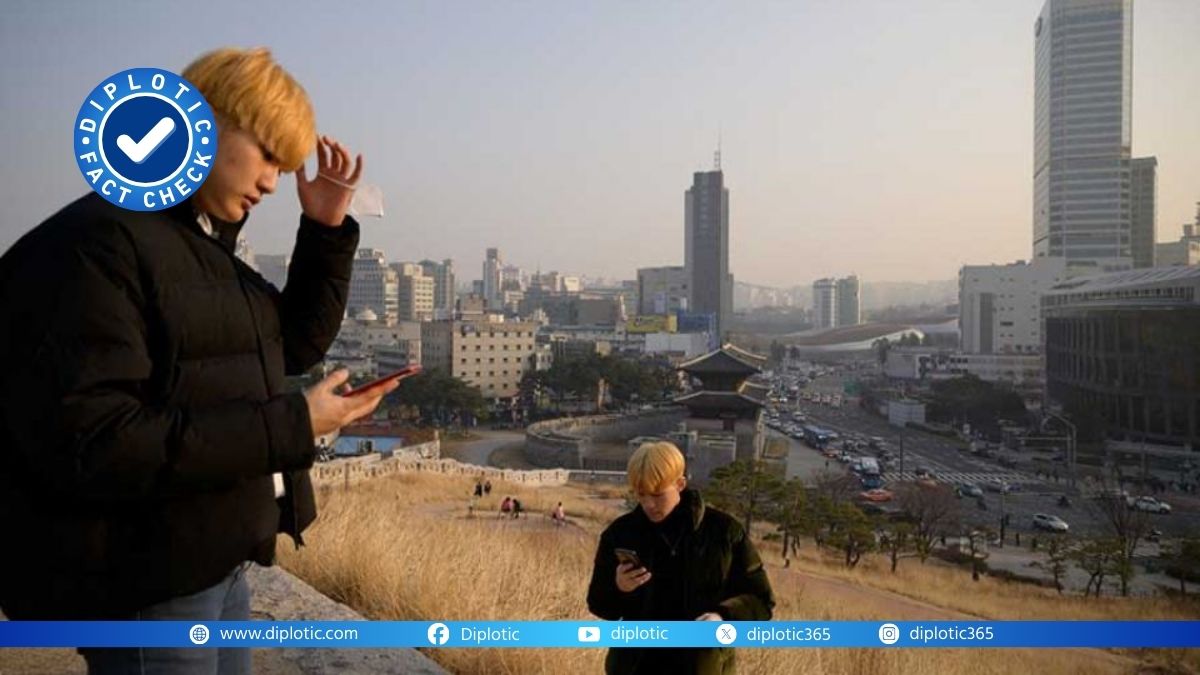
For decades, South Korea was seen as one of the world’s most devoted gaming societies. Online games shaped youth culture, internet cafés became social hubs, and professional gamers reached celebrity status. Games were not just entertainment; they were part of daily life and even national identity. Yet recent data suggests that this era is quietly changing. In 2025, the share of Koreans who played games dropped to just over half of the population, the lowest level since such data began to be recorded a decade ago. This decline is not sudden, nor is it driven by a single cause. Instead, it reflects a deeper shift in how Koreans choose to rest, relax, and escape after long days of work or study. Understanding why people are logging off requires looking beyond games themselves and examining broader changes in time pressure, media habits, and cultural expectations.
Why are Koreans stepping away from games now?
The sharp fall in game usage stands out because it follows a period of extraordinary growth. Between 2015 and 2020, around seven in ten Koreans played games regularly. During the COVID-19 pandemic, that figure climbed even higher as lockdowns limited outdoor activity and face-to-face social life. Games became a safe and social outlet at a time of isolation. But once daily routines returned, gaming did not simply return to earlier levels. Instead, it fell further.
Survey data from 2025 shows that many former players cite lack of time as the main reason for quitting. This reflects a familiar pressure in Korean society, where long working hours, extended commutes, and intense competition shape daily schedules. When free time becomes scarce, people often choose activities that require less effort to start and stop. Games, especially modern online games, demand attention, learning, and sustained involvement. For many adults, this commitment now feels heavy.
Declining interest is another major reason cited. This does not mean people suddenly dislike games. Rather, games now compete with many other forms of entertainment that did not exist, or were less dominant, a decade ago. Streaming platforms offer endless content that can be consumed passively. Short videos, dramas, and films provide quick emotional rewards without requiring skill or concentration. In this environment, games are no longer the easiest option.
The survey also shows that many people have replaced gaming with other hobbies. Exercise, reading webtoons, and watching online videos rank high. These activities fit more easily into short breaks and irregular schedules. They also allow people to relax without the stress of competition or failure, which some associate with games. Together, these reasons point to a lifestyle shift rather than a simple loss of interest in digital play.
How streaming and watching replaced playing
One of the most important changes behind the decline in gaming is the rise of watching-centered entertainment. In 2025, more than four out of five Koreans used streaming services. Among people in their forties, usage was nearly universal. This level of adoption has reshaped how leisure time is spent.
Watching content has several advantages in a busy society. It requires little preparation, no learning curve, and no active decision-making once play begins. Viewers can stop at any moment without penalty. By contrast, many games punish absence. Missing daily tasks or falling behind other players can create pressure rather than relaxation. Over time, this makes games feel like obligations instead of escapes.
There is also a growing trend of consuming game culture without playing. Livestreams, highlight videos, and esports broadcasts allow people to enjoy the excitement of games without direct involvement. Viewers can follow stories, characters, and competition while remaining passive. For some, this offers the best of both worlds: entertainment without effort.
This shift mirrors changes seen in other media. Just as people watch cooking shows instead of cooking, many now watch games instead of playing them. The sense of community remains, but participation becomes indirect. This does not mean games are disappearing, but it does mean their role is changing. They are no longer always interactive experiences. Often, they are content to be observed.
Importantly, this change also affects how younger audiences grow up. Children and teenagers who spend more time watching games may feel less motivation to play themselves. Over time, this could reduce the number of people who see gaming as a core hobby rather than a background interest.
Are games becoming too demanding and costly?
Another factor driving players away is the growing complexity and cost of modern games. Many popular titles rely on long-term progression systems, frequent updates, and in-game purchases. While these systems are profitable for companies, they can discourage casual players.
For someone returning to a game after a break, the learning curve can feel steep. New mechanics, events, and systems require time to understand. In multiplayer games, skill gaps widen quickly, making new or returning players feel left behind. This sense of being permanently behind can reduce enjoyment.
Monetization also plays a role. Free-to-play games often rely on microtransactions that encourage spending to save time or gain advantages. Even when payments are optional, players may feel pressure to spend to keep up. Over time, this can create fatigue and resentment, especially among older players with limited budgets or patience.
Legal experts and user advocates have noted that rising in-game costs have pushed some consumers away from direct play. Instead of engaging fully, they turn to watching others play, avoiding both financial and emotional investment. This shift reflects a broader preference for low-risk leisure.
Game companies appear to recognize this trend. The rise of idle role-playing games is one clear response. These games require minimal interaction and progress automatically. Players can check in briefly, collect rewards, and leave. In South Korea, idle RPGs have grown from a tiny share of mobile revenue in 2020 to a major segment by 2024. Their success suggests that many consumers still want game-like experiences, but without heavy demands.
What does this shift mean for Korea’s gaming future?
The decline in game usage does not necessarily signal the end of gaming in South Korea. Instead, it points to a transformation. Games are adapting to fit new lifestyles shaped by time pressure, media overload, and changing tastes. The question is whether this adaptation will sustain the cultural role games once held.
For the industry, the challenge is balancing depth with accessibility. Highly complex games may continue to thrive among dedicated players, but mass participation appears to be shrinking. If games become niche products for smaller audiences, their social influence may weaken. At the same time, simpler formats risk reducing creativity and innovation.
For society, the shift raises broader questions about leisure itself. Passive entertainment is easy and comforting, but it offers fewer opportunities for skill-building, social interaction, and creative problem-solving. Games once filled that role for millions of Koreans. As people log off, something is lost as well as gained.
The data suggests that the trend is unlikely to reverse soon. As long as streaming remains dominant and daily schedules remain tight, low-commitment entertainment will continue to win. Games that survive will be those that respect limited attention and reduce friction.
In the end, the story is not simply about games losing popularity. It is about how a society under pressure chooses to rest. South Koreans are not abandoning digital life; they are reshaping it. Whether gaming can evolve to meet these new expectations will determine if this moment is truly game over, or just the start of a quieter, different level.




