

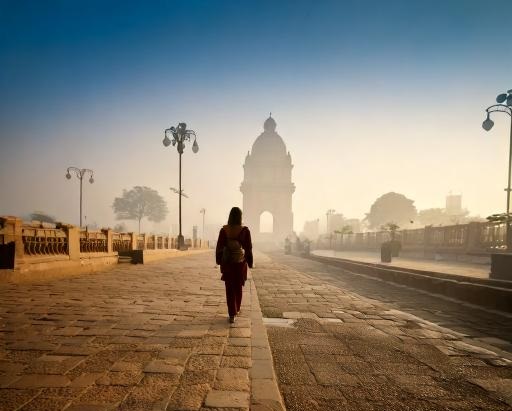
In a region where ancient traditions meet modern ambitions, South Asian women navigate a maze of progress and pitfalls. From India’s bustling boardrooms to Bangladesh’s garment factories, stories of empowerment clash with tales of entrenched inequality. As of September 2025, amid economic booms and political shifts, the push for gender equality promises much—yet delivers unevenly. World Bank reports highlight glimmers like rising female literacy, but Amnesty International’s latest reviews expose persistent shadows of violence and exclusion. Is this the era of true parity, or a facade cracked by cultural norms and weak enforcement? This fact-check probes five key claims, leaning on logical breakdowns, historical echoes, and social ripple effects to uncover the real picture. Prepare for a journey through triumphs tainted by contradictions, where laws on paper often fade in practice.
The Claims Under the Lens
Debates on women’s rights in South Asia swirl around legal wins, social shifts, and economic strides. Optimists point to reforms; skeptics highlight gaps. Here are five claims we’ll dissect:
- Legal systems across South Asia now guarantee women equal rights in marriage, inheritance, and family matters.
- Gender-based violence has dropped sharply, thanks to stricter laws and awareness campaigns.
- Women have equal access to education, closing gaps in enrollment and literacy.
- Political spheres offer women equal representation and influence.
- Economic empowerment is a reality, with equal job opportunities and pay.
We’ll evaluate each through cross-referenced insights from global bodies like the UN, World Bank, and Amnesty, focusing on logic and implications rather than stats alone.
A Legacy of Layers: History and Hurdles
Women’s roles in South Asia, as Britannica outlines, have long been shaped by patriarchal traditions rooted in ancient texts and colonial legacies. From Vedic times emphasizing domestic duties to British-era laws that codified inequalities, change came slowly. Post-independence, nations like India banned sati in 1829 and introduced progressive constitutions, yet cultural norms—honor codes in Pakistan or dowry pressures in Bangladesh—persisted.
The 1990s globalization sparked shifts: Bangladesh’s garment industry employed millions of women, injecting economic agency. Yet, political upheavals, like Sri Lanka’s 2022 crisis or Nepal’s monarchy fall, often sidelined gender issues. Socially, movements like India’s #MeToo exposed hypocrisies—leaders championing “women’s safety” while ignoring rural realities. Politically, quotas boosted visibility, but tokenism abounds. This backdrop reveals a core irony: Reforms aim high, but ground-level enforcement falters, turning potential into partial gains.
Claim 1: Legal Equality in Family Rights?
Proponents argue that updated laws in marriage, inheritance, and divorce now level the field for women across the region.
Analysis: On paper, strides exist—India’s 2005 Hindu Succession Act amendments granted daughters equal inheritance, echoed in Nepal’s 2015 constitution. Bangladesh reformed Muslim personal laws to curb child marriage, and Pakistan’s 2016 anti-rape laws stiffened penalties. But logic exposes cracks: These rely on enforcement, often undermined by corrupt courts or biased police. In rural Pakistan, customary jirgas override statutes, denying women inheritance through “honor” rulings. Sri Lanka’s mixed legal system—Roman-Dutch, Kandyan—creates loopholes favoring men in property.
Cross-references from UN reviews show implementation lags: Women face social backlash for claiming rights, like ostracism in Bangladesh for seeking divorce. Politically, this hypocrisy shines—governments ratify CEDAW (UN women’s rights treaty) but add reservations preserving “cultural” inequalities. Socially, it perpetuates cycles: Unequal inheritance keeps women dependent, fueling poverty. Insights suggest strategic miscalculations: Laws without awareness drives or community buy-in become symbolic, not substantive.
Verdict: Misleading. While legal texts tilt toward equality, poor enforcement and cultural overrides make true parity elusive.
Claim 2: Sharp Drop in Gender Violence?
The narrative: Tougher laws and campaigns have curbed violence against women, from domestic abuse to acid attacks.
Scrutiny: Amnesty’s 2025 reports paint a grimmer logic—violence persists due to impunity and norms viewing women as property. In India, despite 2013 anti-rape reforms post-Nirbhaya, underreporting stems from stigma and police apathy. Pakistan’s honor killings, though criminalized, continue as family “disputes.” Bangladesh sees garment workers facing harassment, with weak unions offering little shield.
Logical breakdown: Awareness rises via social media, but without systemic change—like trained judiciary or shelters—it backfires, deterring victims. Cross-checks from Human Rights Watch note economic stressors, like Sri Lanka’s post-crisis inflation, spike domestic violence as frustrated men lash out. Politically, leaders decry violence in speeches but slash NGO funding, a clear hypocrisy. Social implications: This entrenches fear, limiting women’s mobility and choices, while fostering generational trauma. Witty angle: Campaigns preach “respect women,” yet societies honor perpetrators more than survivors.
Verdict: False. Violence hasn’t plummeted; it’s morphed, with root causes like impunity intact.
Claim 3: Equal Education Access?
Advocates claim enrollment parity and literacy gains mean women now stand shoulder-to-shoulder with men in education.
Examination: Surface wins exist—Nepal’s free education policies boosted girls’ attendance, and India’s Beti Bachao scheme curbed dropouts. But deeper logic reveals barriers: In rural Afghanistan (part of broader South Asia context), Taliban curbs erase gains, while Pakistan’s madrasas prioritize boys. Bangladesh excels in primary enrollment, yet quality lags—overcrowded schools and early marriages pull girls out.
Insights from UN Women highlight contradictions: Urban girls thrive, but rural ones face travel risks or household duties, a miscalculation in policy design ignoring cultural loads. Cross-references show economic angles: Families invest in sons for “returns,” perpetuating cycles. Socially, this hampers empowerment—uneducated women enter low-skill jobs, widening gaps. Politically, governments boast global rankings but underfund infrastructure, exposing hollow commitments.
Verdict: Misleading. Access improves, but quality, retention, and cultural hurdles prevent full equality.
Claim 4: Political Parity Achieved?
The assertion: Quotas and elections have elevated women to equal political footing.
Probe: Logic here unravels quickly—India’s 33% panchayat quotas empower local women, yet national parliament hovers low, with bills stalling amid male dominance. Bangladesh’s Sheikh Hasina era saw female leadership, but dynasty ties undercut merit. Pakistan’s reserved seats help, but women face threats, as in Malala’s case.
Amnesty insights: Representation doesn’t equal influence—women MPs often toe party lines on gender issues. In Sri Lanka, post-2022 unrest, women’s voices rose in protests but faded in power-sharing. Cross-checks reveal hypocrisies: Leaders appoint women to “soft” ministries, sidelining them from defense or finance. Socially, this signals to girls that politics is a man’s game, stifling ambition. Politically, it’s a strategic ploy—quotas for optics, not overhaul.
Verdict: False. Numbers tick up, but real power remains male-skewed.
Claim 5: Economic Empowerment Realized?
Boosters say equal jobs and pay are now norms, driven by sectors like IT and textiles.
Dissection: Flawed at core—World Bank’s gender data underscores low participation, with logic pointing to childcare burdens and harassment. India’s gig economy draws women, but without benefits, it’s precarious. Bangladesh’s factories employ millions, yet wages lag men’s, and safety scandals persist.
Insights: Cultural norms deem women’s work “supplementary,” justifying pay gaps. Cross-references show Nepal’s migrant women remitting funds but facing exploitation abroad. Politically, subsidies favor male-led farms, a misstep ignoring women’s roles. Socially, this traps families in poverty, as unequal earnings limit health and education investments. Witty take: Economies boom on women’s backs, yet pockets stay light.
Verdict: False. Opportunities exist, but systemic biases block true equity.
Broader Horizons: Impacts and Ironies
Beyond claims, women’s rights shape South Asia’s fabric. Economically, unequal access squanders talent—imagine the growth if women’s labor matched global averages. Socially, it fuels migrations and mental health strains, with young women protesting in 2025 waves from Dhaka to Kathmandu. Politically, ignoring gender invites instability, as seen in Bangladesh’s quota unrest.
Angles diversify: Environmentally, climate disasters hit women hardest, managing water in floods while rights erode. Culturally, Bollywood and dramas push progressive images, clashing with reality—a hypocrisy breeding cynicism. Globally, South Asia’s diaspora women thrive abroad, highlighting home barriers. UN calls for integrated reforms, but national pride often trumps action.
In 2025, equality remains aspirational. Laws evolve, yet cultures cling. The real insight? True change demands dismantling hypocrisies, not just declaring victories. Women drive progress; time to let them steer.




