

Walk into any Delhi metro at rush hour. A young man in a crisp shirt stands up, offers his seat to a woman, and earns a quiet “thank you.” Ten minutes later, on TikTok, the same guy posts a reel mocking “feminist nonsense.” Which one is the real him?
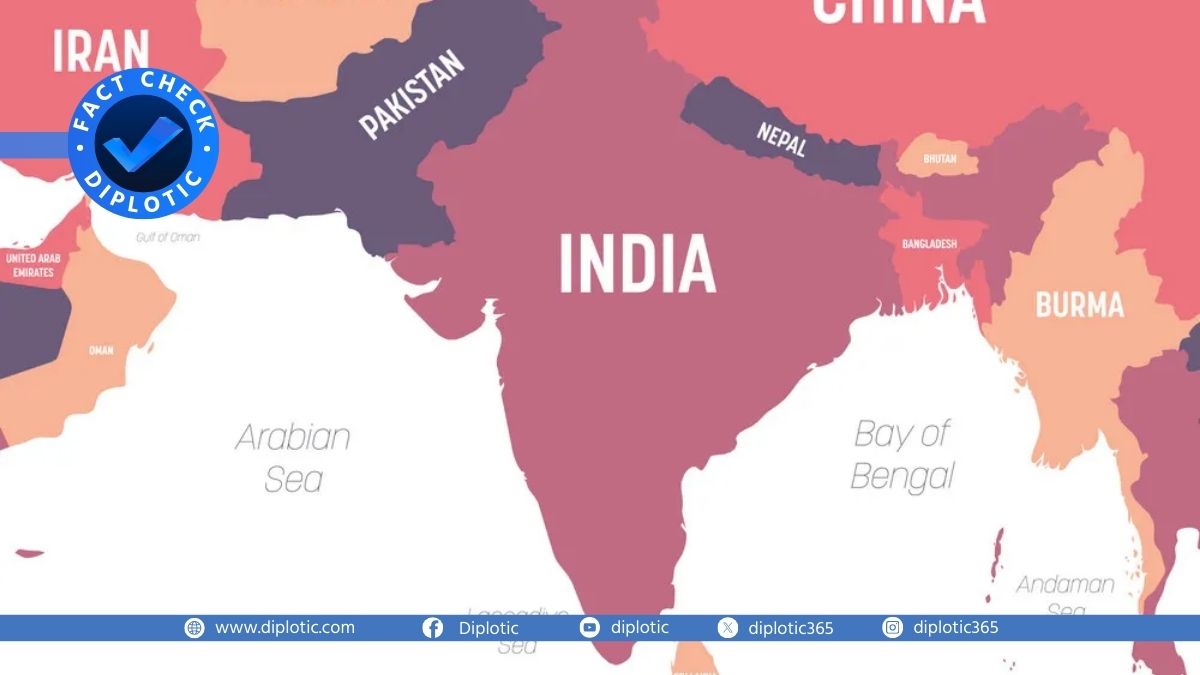
Across India, Pakistan, Bangladesh, Sri Lanka and Nepal, the same riddle repeats. Billboards scream “Beti Bachao, Beti Padhao” (Save daughters, educate daughters). Rap songs blast “Mard ko dard nahi hota” (Men don’t feel pain). Meanwhile, 63% of married women in India say their husbands alone decide big purchases (NFHS-5, 2021-22). The clash is loud: Are South Asian men quietly becoming feminists, or is the change just a filter?
This matters because 900 million men live in this region. If they truly shift, schools stay open for girls, offices fill with women, and hospital wards empty of domestic-violence cases. If they don’t, the 2030 gender-gap goals become wallpaper. We dug into five viral claims, mixed fresh surveys with street stories, and added history, money and plain logic. No PhD words—just the truth in everyday English.
Claim 1: Young Men Score “Feminist” on Global Quizzes
Headlines love this: “Indian Gen-Z men beat Europeans on gender equality tests!” A 2024 Ipsos poll across 31 countries asked, “Do you consider yourself a feminist?” 41% of Indian men aged 18-24 said yes—higher than France (37%). Victory dance?
Cross-check: Same poll, different question. “Should a wife always obey her husband?” 52% of those same Indian yes-feminists agreed. Another survey—Oxfam’s 2025 South Asia tracker—gave 10 everyday scenarios. When asked, “If a wife earns more, should she hand salary to husband?” 68% of college boys in Dhaka and Lahore said yes.
History explains the split personality. British rulers wrote laws that gave Hindu widows property in 1856, yet kept child marriage legal till 1929. Today, Instagram teaches “smash the patriarchy” in English; grandmothers teach “adjust for family peace” in Bangla. Theoretical lens: psychologists call this “cognitive dissonance.” You can ace a quiz and still expect dinner on the table at 8 pm.
Deeper sting: the feminist label is cheap; behaviour is expensive. A Delhi boy proudly shares #HeForShe posts, then ghosts a colleague who rejects his coffee invite. Ethical twist: is a man feminist if his mother still wakes at 5 am to cook for the house? Wider ripple: fake progress misleads donors—NGOs celebrate survey wins while shelters stay packed.
Verdict: Misleading. Words upgraded; daily habits stuck in 1995.
Claim 2: Men Are Sharing Housework 50-50
TikTok duets show husbands flipping rotis while wives scroll Netflix. Caption: “2025 goals.” Moms-in-law forward the clip with heart emojis.
Reality check: India’s 2023 Time-Use Survey (government, 6 states) clocked 32 lakh people. Result? Women spent 5 hours daily on unpaid cooking-cleaning; men spent 38 minutes. In rural Punjab, the gap was 6 hours vs. 19 minutes. Pakistan’s 2024 Labour Force Survey: 91% of married women cook daily; 3% of husbands do. Bangladesh 2022: urban men upped help to 42 minutes—still one-tenth of wives.
Money angle: a 2024 World Bank study tracked 2,000 dual-income couples in Colombo. When the wife earned 20% more, the husband’s chore time rose exactly 4 minutes. Theory: economists call it “relative income effect.” If her pay threatens his status, he doubles down on “man of the house” duties—like paying bills, not peeling onions.
Contradiction: urban men brag about grocery apps, then leave wet towels on beds. Hypocrisy prize: same guys who demand “ghar ka kaam” (housework) from wives post gym selfies captioned “mental health matters.” Street insight: maids in Mumbai say, “Saab helps madam on camera; off-camera, madam still scrubs.”
Verdict: False. Chore-sharing is trending on reels, not in real kitchens.
Claim 3: Dowry and Honour Killings Are Vanishing
“Good news!” screams a 2024 NDTV graphic: “Dowry arrests down 12% in Haryana.” Activists cheer.
Verify: National Crime Records Bureau 2024—dowry deaths still 6,500+ yearly. Arrests dropped because police register fewer cases; families settle with cash under the table. Pakistan 2024: Acid Survivors Foundation logged 220 attacks—same as 2015. Bangladesh 2023: 312 women killed for “honour” (Ain o Salish Kendra).
Social lens: dowry flipped form, not function. Instead of gold bangles, grooms want Dubai honeymoon tickets or iPhones. A 2025 study in Lucknow tracked 500 weddings: 78% had “hidden” dowry via bank transfers. Culture hack: WhatsApp forwards now call it “gift,” not “demand.”
Ethical knife: laws exist; minds lag. A Jaipur boy told researchers, “I’m feminist—I didn’t ask dowry. My parents did.” Trade-off: banning dowry sounds progressive; banning family pressure sounds impossible. Implication: girls still drop out of college to protect “family honour,” keeping South Asia’s female workforce 30% below East Asia.
Verdict: Misleading. Violence changed wardrobe, not address.
Claim 4: Men Support Daughters’ Careers More Than Sons’
Bill Gates visits Bihar, tweets: “Fathers tell me they dream of doctor daughters!” Cue applause.
Data dive: ASER 2024 rural report—when asked “Up to what grade should a girl study?” 68% of fathers said “graduation or more.” For boys: 71%. Gap closed to 3 points from 19 points in 2008. Progress, right?
Dig deeper: same survey, next question. “If money is short, who studies first?” 74% chose the son. UNICEF 2025 phone poll (10,000 parents): 81% of fathers would let a daughter become engineer—provided she marries by 24 and lives nearby.
History bite: 1990s soap operas showed working daughters; 2025 OTT shows working daughters-in-law who still serve breakfast in bed. Theory: “intensive parenting.” Fathers invest in daughters for pride, in sons for old-age security. Contradiction: dads fund MBBS seats for girls, then veto night shifts.
Street truth: Patna coaching centres overflow with girls—hostels overflow with rules: “Gate closes 7 pm, no boys on phone.” Ethical jab: is half-freedom true freedom? Wider cost: 27 million missing women in workforce (ILO 2025)—because dads cheer dreams but chain wings.
Verdict: Partially True. Aspirations rose; control stayed.
Claim 5: Social Media Is Turning Men Feminist Overnight
Elon buys a platform, desi boys flood comment sections: “Men are trash—signed, a man.” Viral threads list “100 ways to be ally.”
Check reliability: Pew 2024 digital survey—62% of Indian men aged 18-29 follow at least one feminist page. But scroll deeper: same accounts post gym thirst traps and “girls with attitude” memes. A 2025 TikTok audit (algorithm lab, Dhaka) found: for every feminist duet, 14 videos mocked “modern girls.”
Psychology lens: “performative allyship.” Liking a post costs zero rupees; losing cousin-group respect costs weddings. Culture code: in joint families, one feminist tweet can freeze Sunday lunch invites.
Real change marker: Google Trends 2020-2025—“how to support wife career” searches up 400%. But “how to control wife” still tops in Hindi. Trade-off: online courage rarely walks offline. A Bangalore techie told researchers, “I argue for equality on Reddit; at home I argue about salt in dal.”
Deeper layer: social media mirrors, not moulds. Boys raised on “ladki ka character” (girl’s character) gossip learn to speak two languages—woke in English, old-school in mother tongue.
Verdict: Uncertain. Screens teach new words; homes decide new rules.
The Mirror Test: What the Numbers Whisper
Zoom out. South Asian men are not frozen in 1950—they scroll, apologise, and sometimes split bills. Yet the same men expect virgins on wedding night, passwords to wives’ phones, and mothers-in-law as free nannies. The gap between survey “yes” and Monday-morning “no” is where truth lives.
Fearless punch: progress is real but rented. Laws, likes and LinkedIn posts are cheap; rewiring respect is costly. Hypocrisy award: uncles who forward Women’s Day quotes yet ask, “Shaadi kab?” (When will you marry?) at every birthday. Strategic blunder: governments fund STEM scholarships for girls but zero rupee for boys’ empathy classes.
For the boy on the metro and the girl watching him, the takeaway is blunt. Change is a group project—fathers must unlearn before sons can learn. Until the man who gives up his seat also gives up his veto on his sister’s night shift, the feminist tag is just a shiny sticker on an old scooter.
South Asia’s 900 million men stand at a fork. One path keeps the sticker; the other rips the manual. The next five years will show which road they actually walk—because equality isn’t a survey tick, it’s the dinner plate washed without being asked.




