

Planning a trip in 2026 feels exciting… and a little overwhelming. Flights fluctuate in price every hour. Hotels sell out quickly. New cities can feel confusing at first glance. But here’s the good news: the right travel apps don’t just organize your trip — they quietly remove the stress so you can focus on the experience.
Think of them as invisible travel companions. They don’t replace adventure. They protect it.
Let’s talk about the travel apps that truly make a difference — not in a robotic way, but in a real, human way.
Finding Flights Without the Headache
We’ve all been there — refreshing a flight page, wondering if the price will drop or suddenly jump. It’s stressful.
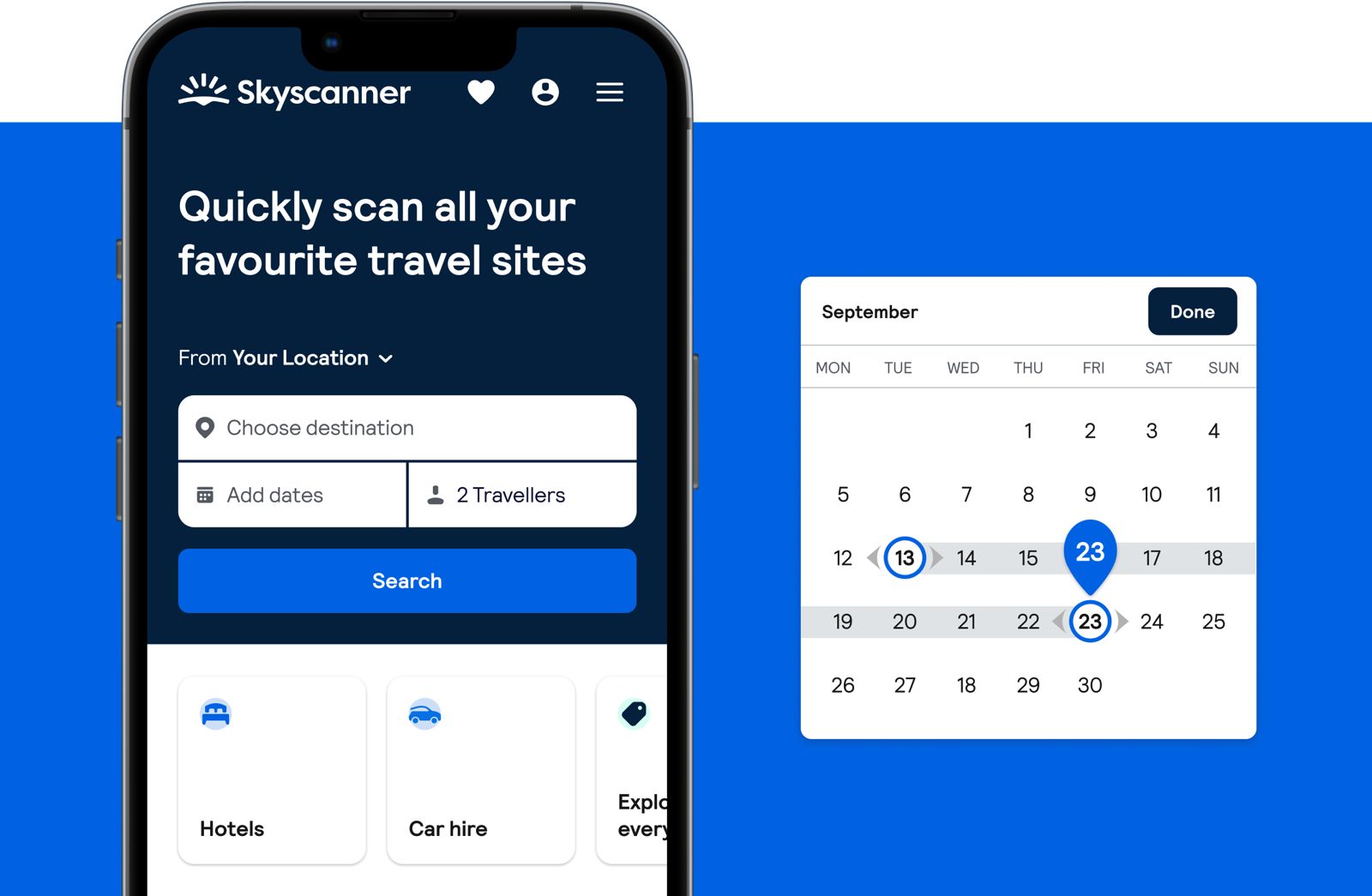
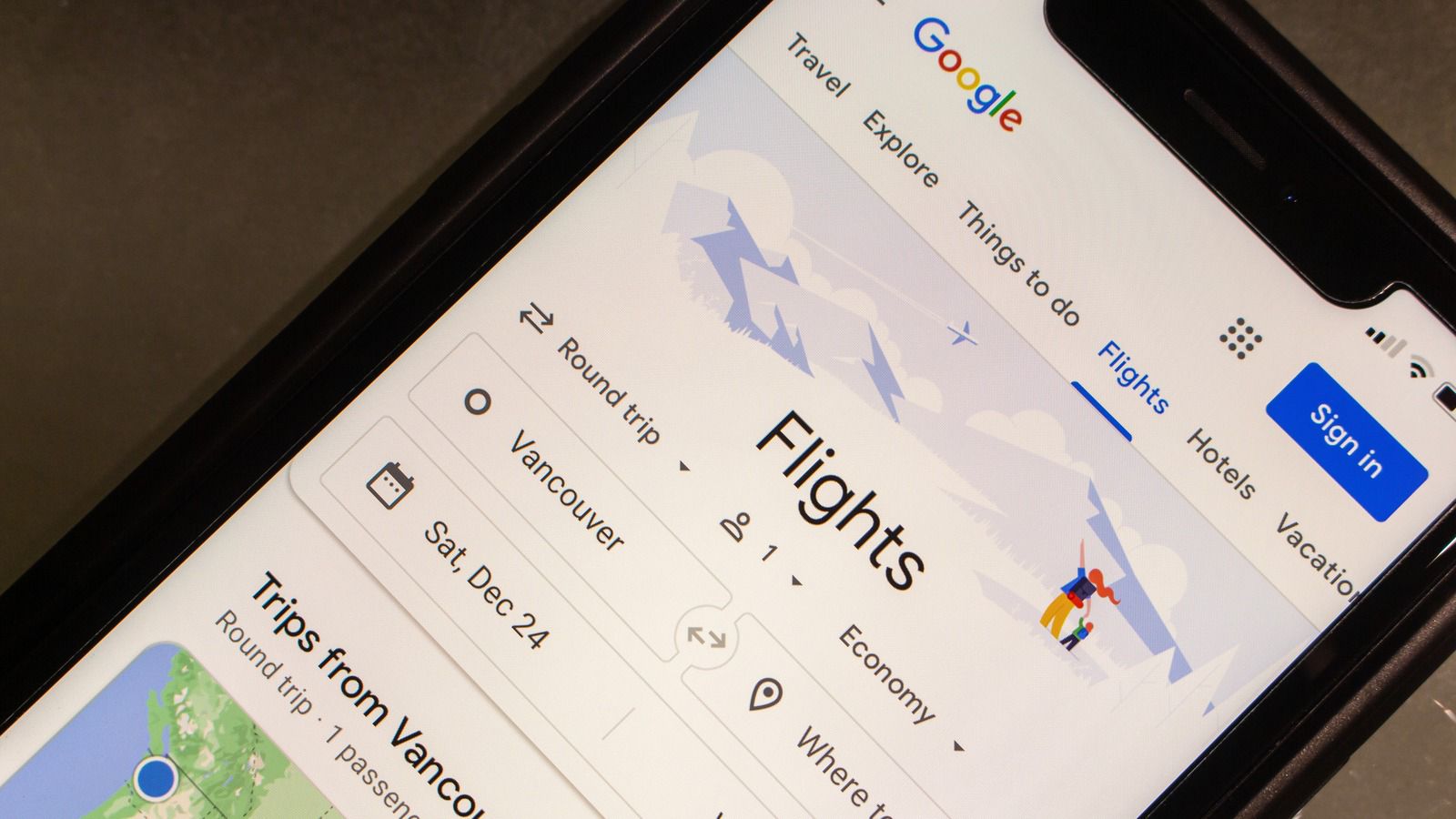
Apps like Skyscanner and Google Flights simplify that chaos. They let you compare airlines, explore cheaper travel dates, and even discover destinations based on your budget. Instead of guessing, you make informed decisions.
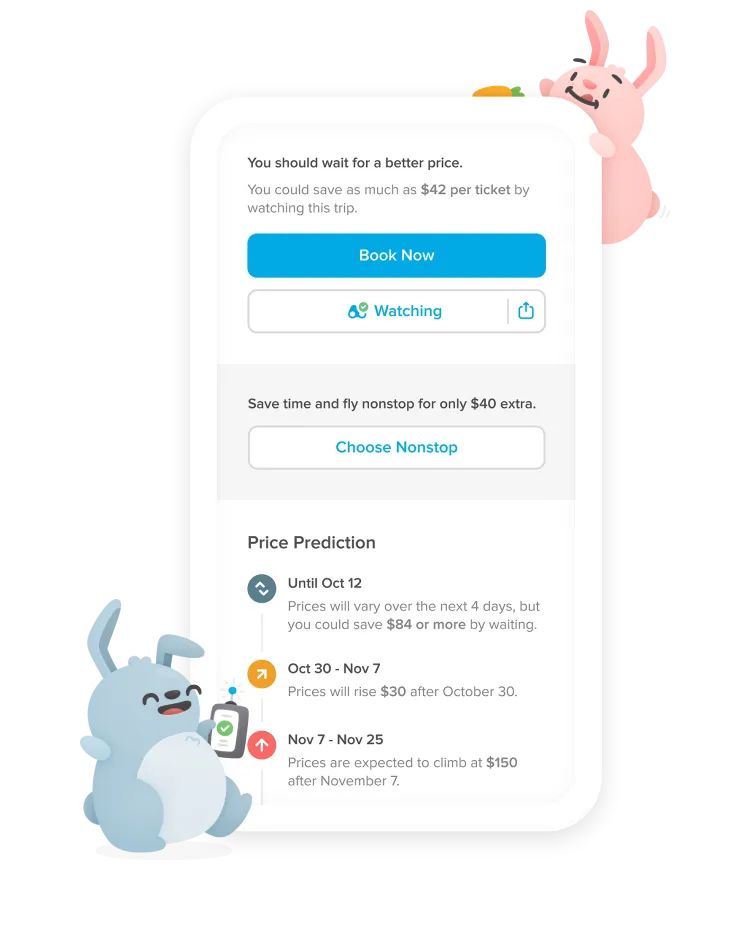
Hopper feels almost like that friend who knows all the deals. It analyzes price trends and tells you whether to book now or wait. That small advice can save you a surprising amount of money — money you can spend on experiences instead.
And honestly? Booking your flight with confidence feels really good.
Staying Somewhere That Feels Right

Where you stay shapes your entire trip.
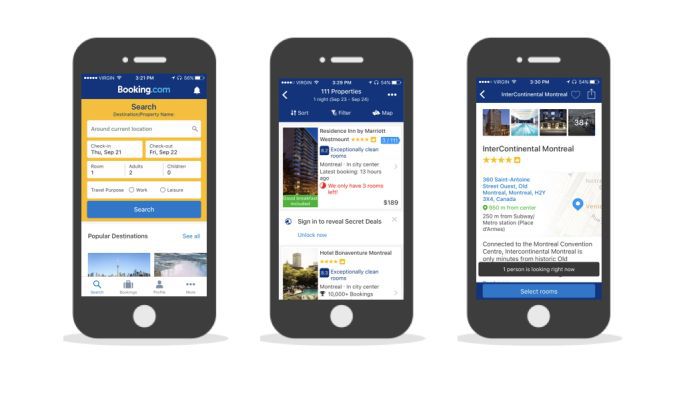
Booking.com is reliable and straightforward. Clear reviews, flexible cancellations, and plenty of choices make it feel safe and predictable — especially in a new country.
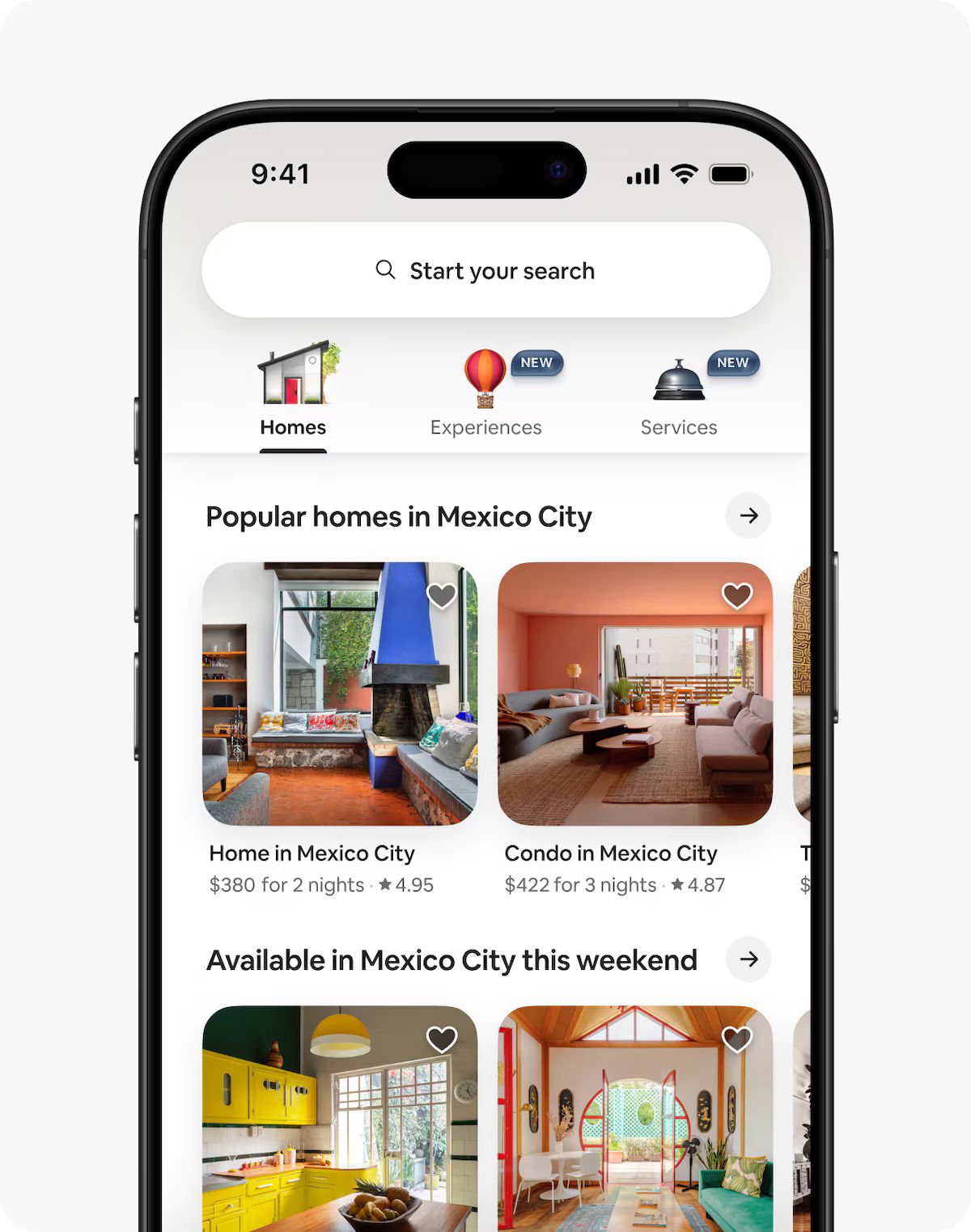
Airbnb offers something different. Sometimes it’s not just a place to sleep, but a place that feels like home. A balcony with morning sunlight. A kitchen where you make late-night tea. Those little moments matter.
Agoda is especially helpful in Asian destinations, often offering competitive prices that others don’t show. Comparing options may take a few extra minutes, but that extra effort can mean better comfort and better savings.
And comfort matters when you’re far from home.
Not Getting Lost (Unless You Want To)
Getting lost can be romantic in movies. In real life? Not always.
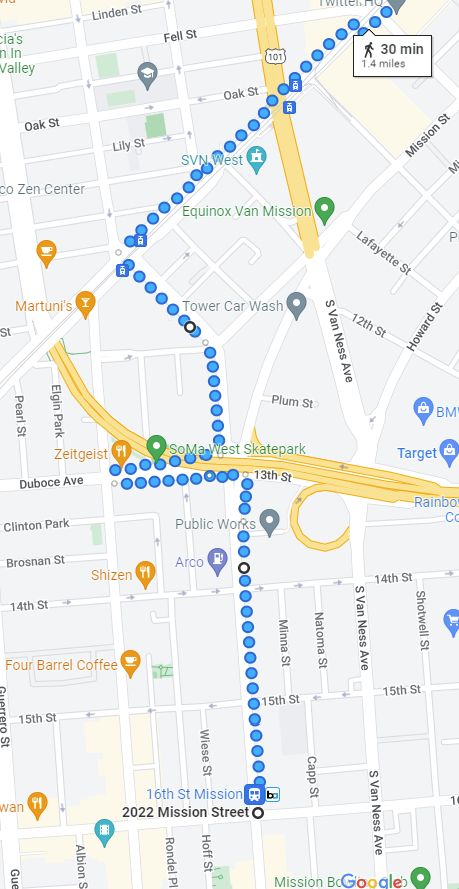
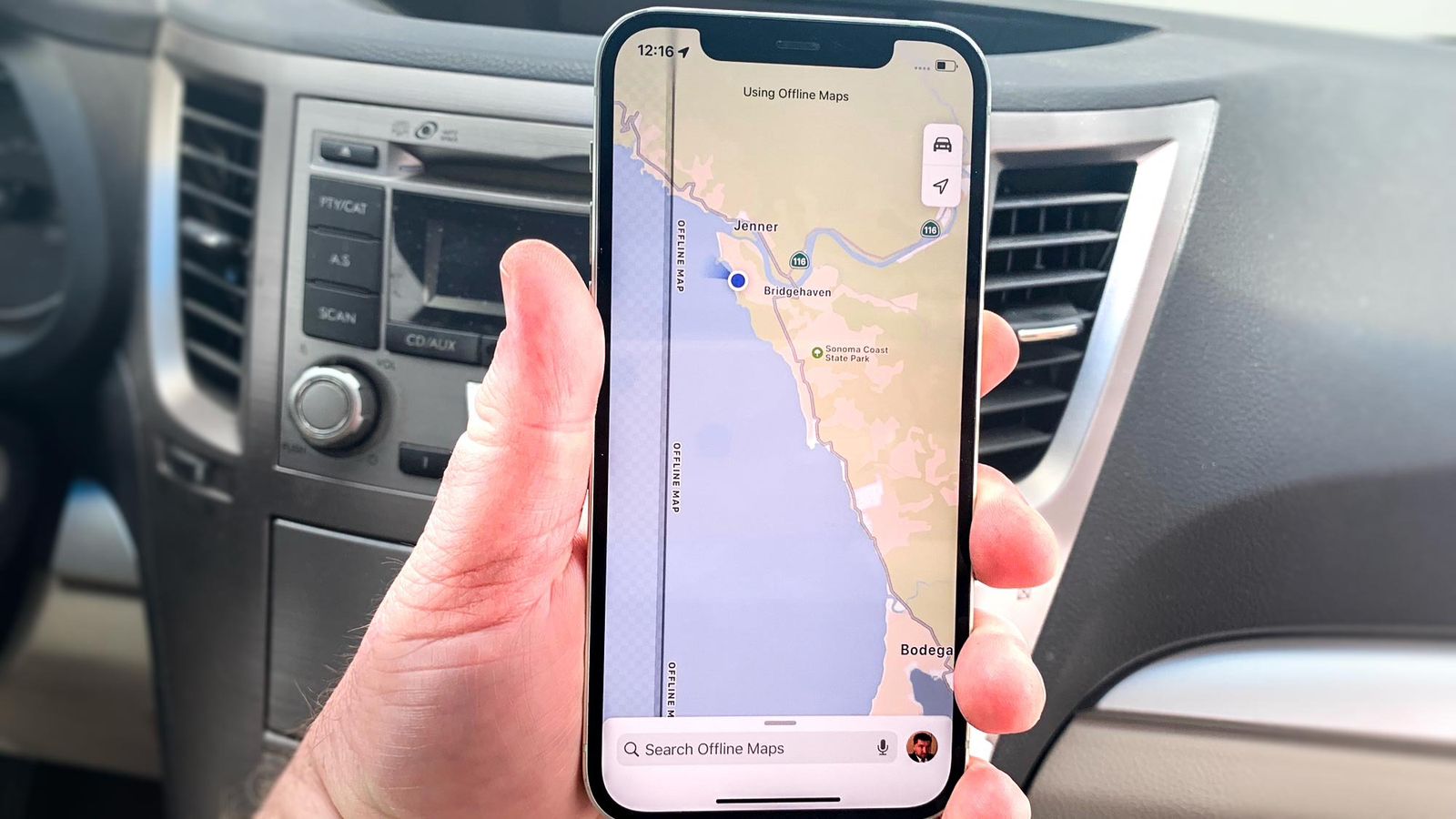
Google Maps is not all about directions. You are able to download maps when you are offline, view live traffic, have a peep at the reviews of restaurants and even the levels of how crowded the place is. It subtly eliminates fears of new locations.
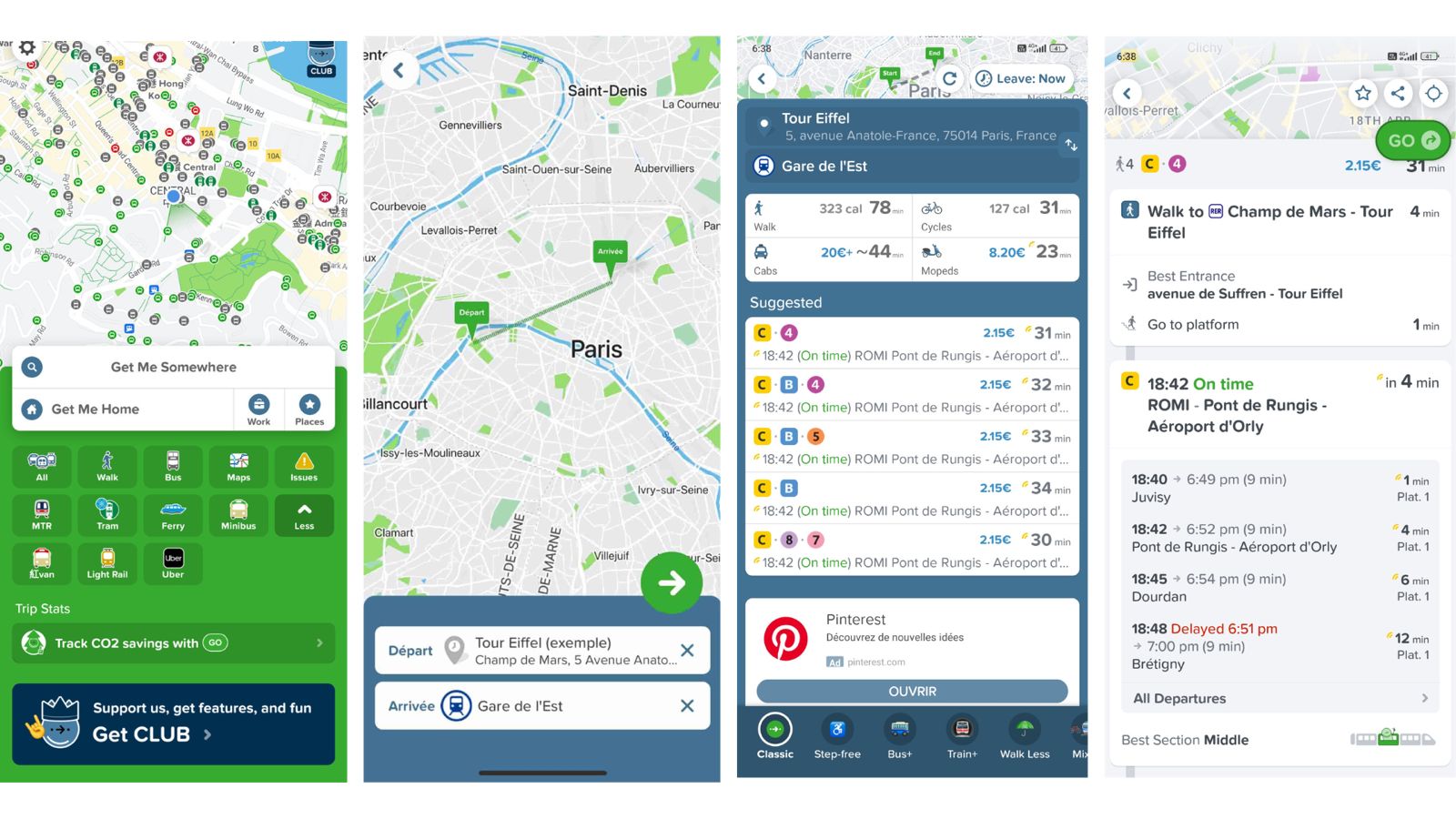
Citymapper is also extremely useful when in major cities where the transport system initially seems to be disorganized. You do not need to look at complex maps in subways but get step-by-step instructions.
But here’s the beautiful part — once you feel safe navigating, you can choose to wander. Getting “a little lost” becomes fun instead of frightening.
Breaking the Language Barrier
There’s something vulnerable about not understanding a language. It can make you feel small or hesitant.
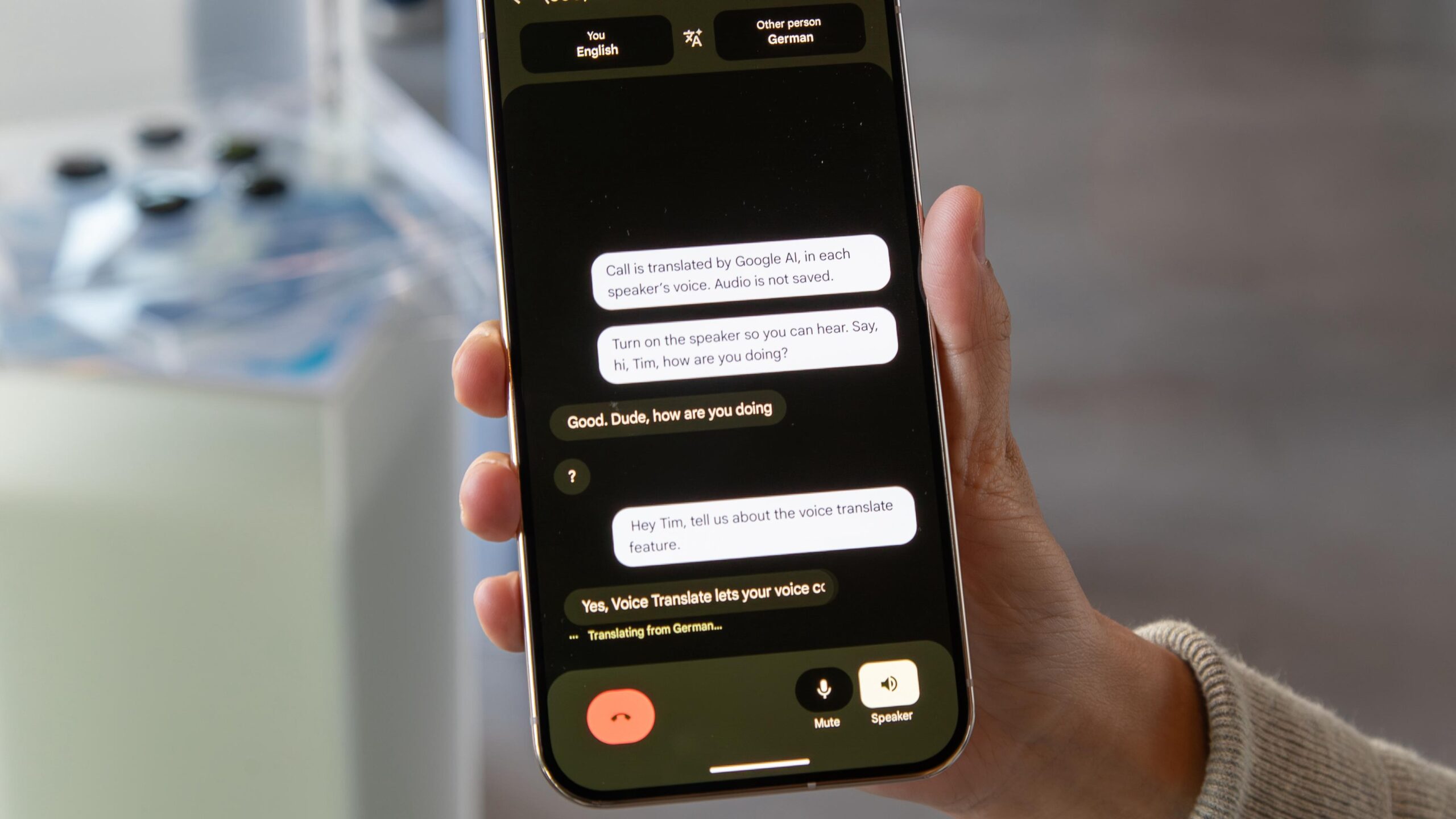
Google Translate helps in those moments. You can translate menus, street signs, and even have simple conversations using voice translation. It’s reassuring — like having a helpful assistant in your pocket.
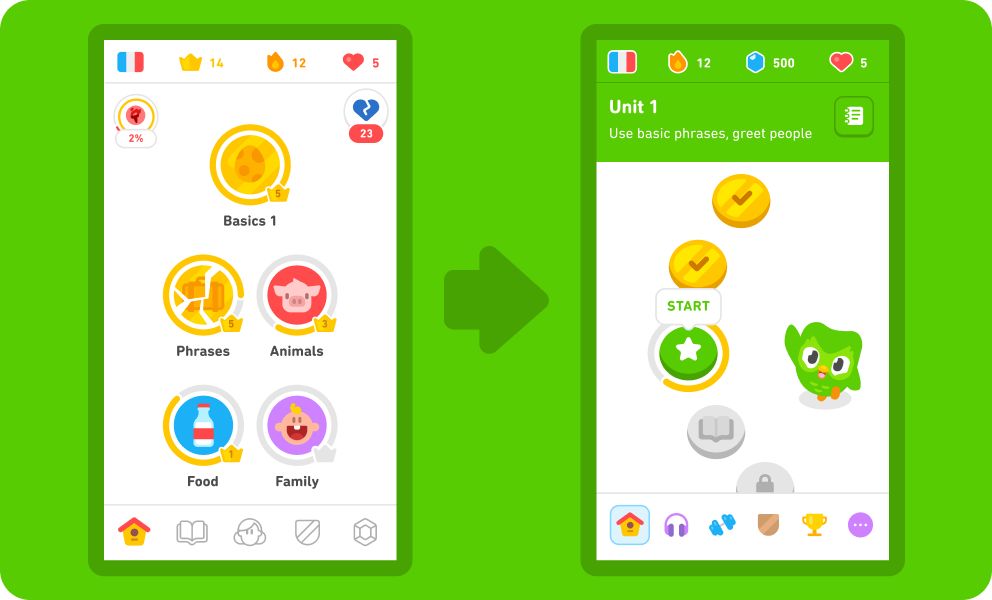
Duolingo does something even more meaningful. It teaches you simple phrases before you travel. Saying “thank you” or “good morning” in the local language changes interactions. People smile differently when you try.
Travel becomes less transactional and more human.
Keeping Your Budget Under Control
Money stress can quietly ruin a trip.
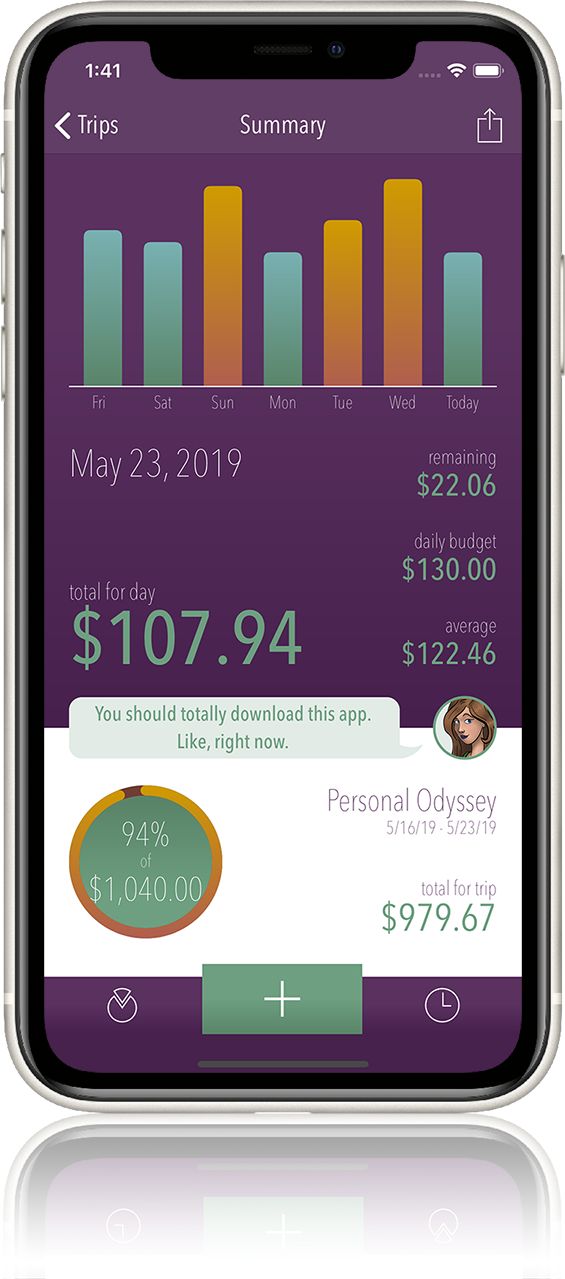
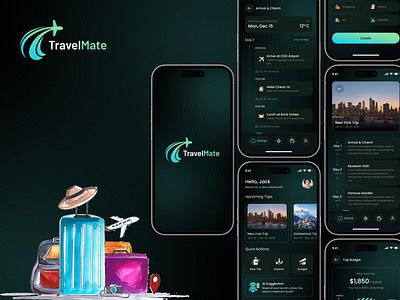
Trail Wallet lets you track daily spending without overcomplicating things. You see where your money goes — food, transport, souvenirs — and adjust if needed.
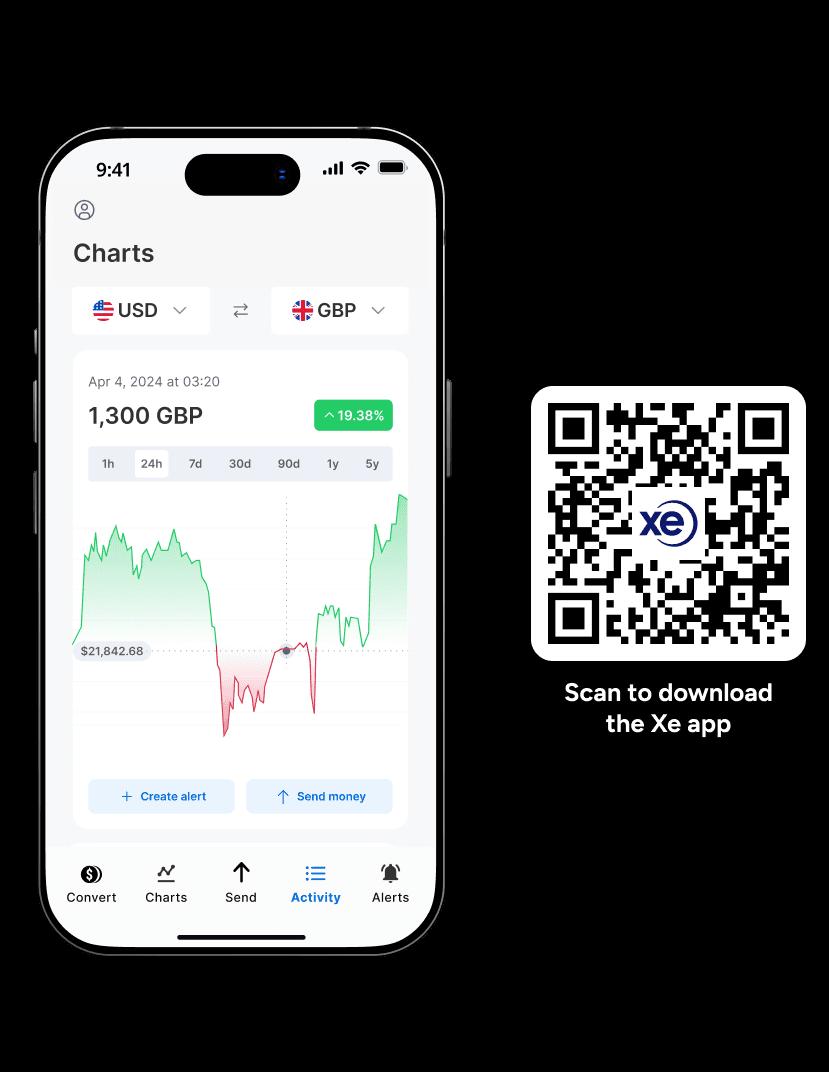
XE helps you understand currency instantly. No awkward guessing at checkout counters. No worrying if you overpaid.
When you feel financially aware, you feel relaxed. And relaxation is the real luxury.
Keeping Everything in One Place
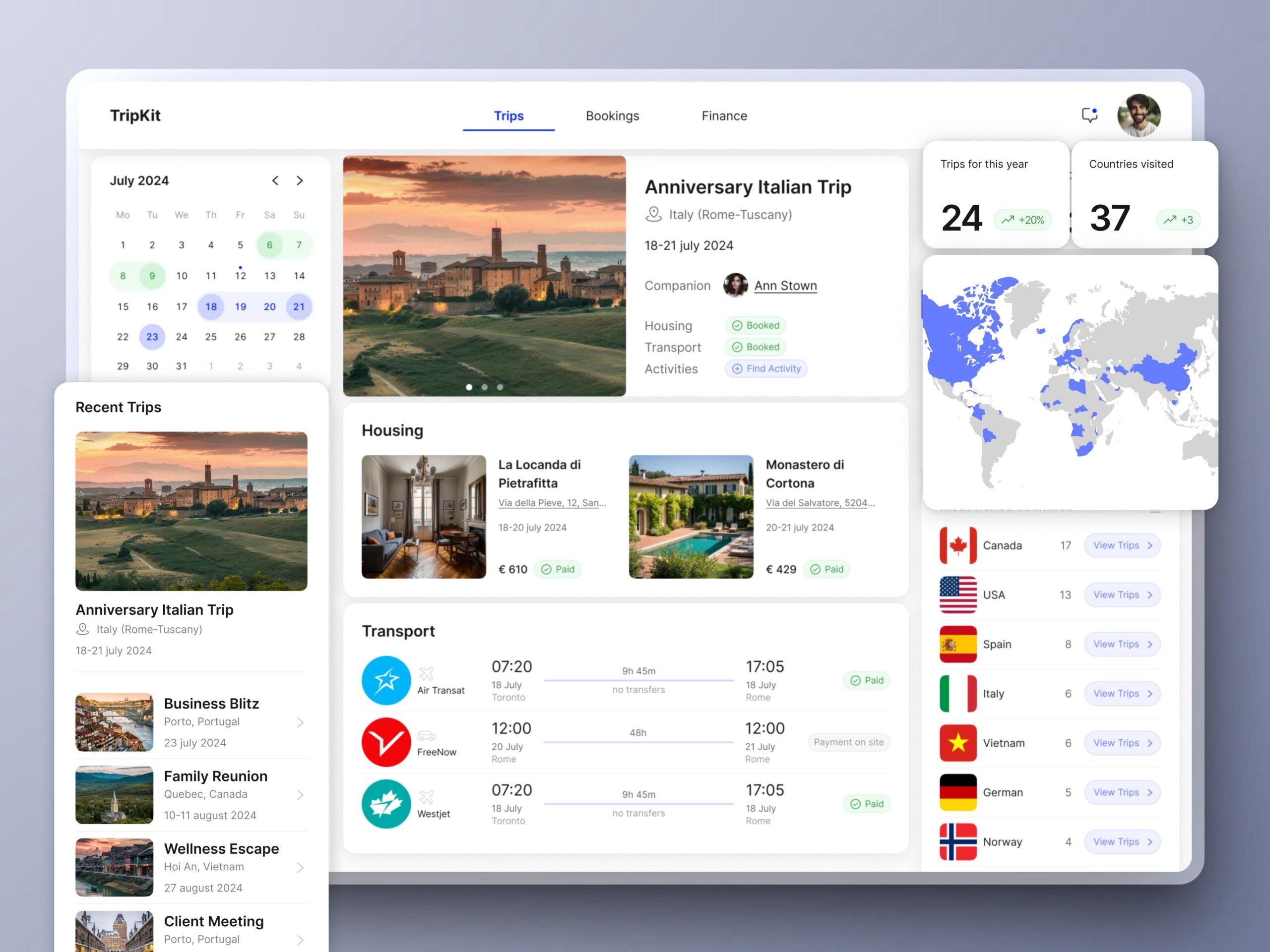
Searching through emails at an airport is not fun.
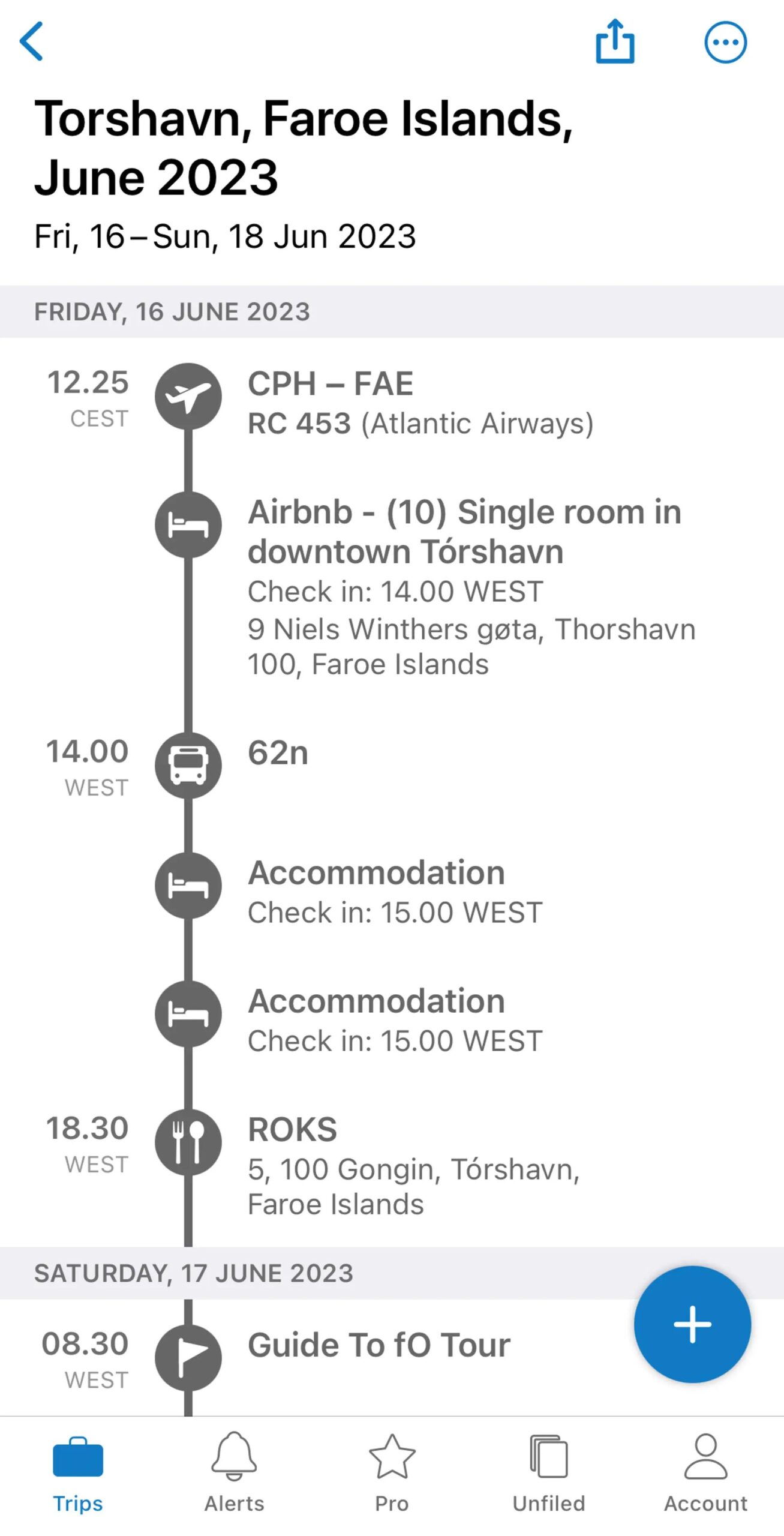
TripIt gathers your bookings into one clean itinerary. Flights, hotels, activities — everything organized. That simple structure gives you clarity.
And clarity gives you calm.
The Human Side of Travel Apps
Here’s the truth: travel apps aren’t about technology. They’re about feelings.
They reduce uncertainty before a big flight.
They help you find a safe place to sleep.
They guide you when streets feel unfamiliar.
They give you confidence when you don’t know the language.
But the real magic? They work quietly in the background so you can be present.
Because at the end of your trip, you won’t remember the app interface.
You’ll remember the sunset.
The laughter.
The street food.
The unexpected kindness of strangers.
In 2026, smart travel isn’t about being glued to your phone. It’s about using the right tools so you can live fully in each moment.
Download wisely. Travel lightly. Feel deeply.




