

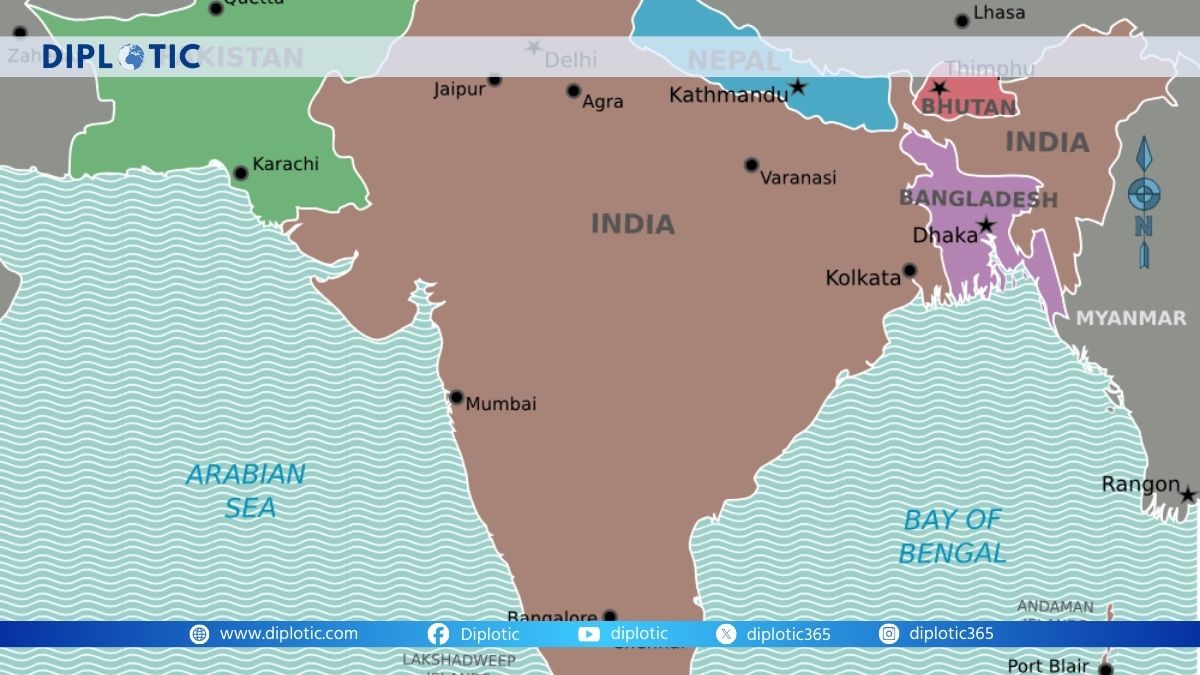
The year 2025 brought major political changes to South Asia, with uprisings leading to new governments in Bangladesh and Nepal, ongoing economic pressures in several countries, and tense border relations between Pakistan and its neighbors. As 2026 begins, the region hopes for more stability after a difficult period. Yet serious risks remain, including uncertain elections, possible conflicts, economic vulnerabilities, leadership questions in India, and the effects of U.S. policy toward China. These factors could influence not only national politics but also regional cooperation and security. With young people in many places pushing for better governance and external powers like the United States and China playing larger roles, the coming year holds important tests. Here are five main storylines to follow that will likely define South Asia’s path forward.
How Will Elections in Bangladesh and Nepal Test Political Stability?
Bangladesh and Nepal will hold national elections early in 2026, marking the first votes since mass protests removed long-serving leaders. In Bangladesh, the interim government under Muhammad Yunus took power in August 2024 after Sheikh Hasina’s ouster. It focused first on reforms, such as judicial changes and anti-corruption measures, before setting the election date for February 12. The process has aimed to build trust in institutions weakened under the previous administration. Nepal’s provisional setup, formed in September 2025 after K.P. Sharma Oli’s exit, moved faster by announcing polls for March 5 and concentrating on preparations.
Both countries face high expectations from citizens, especially young voters who drove the changes. If large numbers see the elections as unfair or dislike the results, protests could return. The environments remain charged, with active youth groups watching closely for signs of old patterns. Successful, credible votes could help restore confidence in democracy and governance. India and China, which maintain strong ties with both nations, will monitor outcomes carefully, as results could affect their influence. These elections offer chances for renewal but also carry risks of renewed unrest if public demands go unmet.
What Risks Do Border Tensions Pose for Pakistan and Its Neighbors?
Pakistan enters 2026 with strained relations on two fronts. Ties with India have reached low points not seen in years, following a brief military clash in 2025. A single incident—such as a terrorist attack, border crossing, or dispute over water projects—could spark another conflict. Both sides maintain heavy military presence along the Line of Control, and trust remains limited. Efforts at dialogue have stalled, and third-party mediation faces resistance, particularly from India.
Relations with Afghanistan also stay difficult. The Taliban government has not taken strong steps to stop groups launching attacks into Pakistan. Cross-border incidents have increased, raising the possibility of Pakistani military operations inside Afghanistan. The Taliban could respond by supporting militants against Pakistan. Mediation by Qatar, Saudi Arabia, and Turkey has not yet succeeded, though these countries may continue trying. Pakistan must manage these challenges largely on its own, as external help remains limited. These border issues highlight how security concerns can quickly escalate, affecting the broader region.
How Vulnerable Is the Maldives Economy to Further Crisis?
The Maldives faces growing economic stress that could lead to major trouble if not addressed. In October 2025, the World Bank noted a high risk of debt distress due to foreign exchange shortages, limited new funding, and large debt payments, much of it tied to Chinese loans. Public debt is expected to near 135 percent of GDP in the coming year. This pattern echoes earlier crises in Sri Lanka, which defaulted in 2022, and Pakistan, which came close in 2023, both triggered by debt and reserve shortages.
Tourism has provided some relief, along with support from partners like India. Yet the economy stays fragile, and external shocks—such as higher global prices or drops in visitor numbers—could worsen the situation. The Maldives has avoided deeper crisis so far, but ongoing pressures make it a country to watch closely. Effective management of debt and reserves will be key to preventing a larger downturn.
What Signals Might Emerge About Narendra Modi’s Long-Term Plans?
In India, Prime Minister Narendra Modi continues as the region’s longest-serving elected leader, first taking office in 2014. While political shifts have marked much of South Asia in recent years, India has seen steady continuity under Modi. The coming year will likely bring more discussion about his future, particularly whether he will seek a fourth term in 2029.
Modi remains popular, and his Bharatiya Janata Party performed well in several state elections in 2025. These results countered views that weaker national performance in 2024 marked a decline. Further successes in state polls, including in southern India where the party has less strength, could strengthen his position. There are no clear signs yet of plans to step down, but observers will look for any indications of change. Modi’s leadership has shaped India’s direction, and any shift would carry wide implications for domestic policy and regional relations.
How Might U.S. Policy Toward China Affect South Asia?
The Trump administration’s approach to China in 2026 will have direct effects on South Asia. Early signs show a mix of competition and possible cooperation, with no clear overall strategy yet. A shared concern about China has long supported U.S.-India ties. If Washington adopts a more moderate stance or reaches understandings with Beijing, those ties could face new challenges.
U.S. policy in the Indo-Pacific has encouraged South Asian countries to reduce reliance on China through aid, infrastructure, and arms deals. A softer line toward China might ease that pressure. Many capitals in the region would welcome greater balance in their relations with the two powers. At the same time, the United States could focus more on trade imbalances, affecting economic links. This policy direction will influence how South Asian nations position themselves in a changing global environment.
South Asia enters 2026 after a year of significant upheaval, with hopes for calmer progress but clear risks ahead. The elections in Bangladesh and Nepal, border challenges for Pakistan, economic pressures in the Maldives, questions around Modi’s future, and U.S.-China dynamics will each play major roles. Outcomes in these areas could either build stability or lead to new difficulties. How leaders and citizens respond will shape the region’s direction for years to come.




