

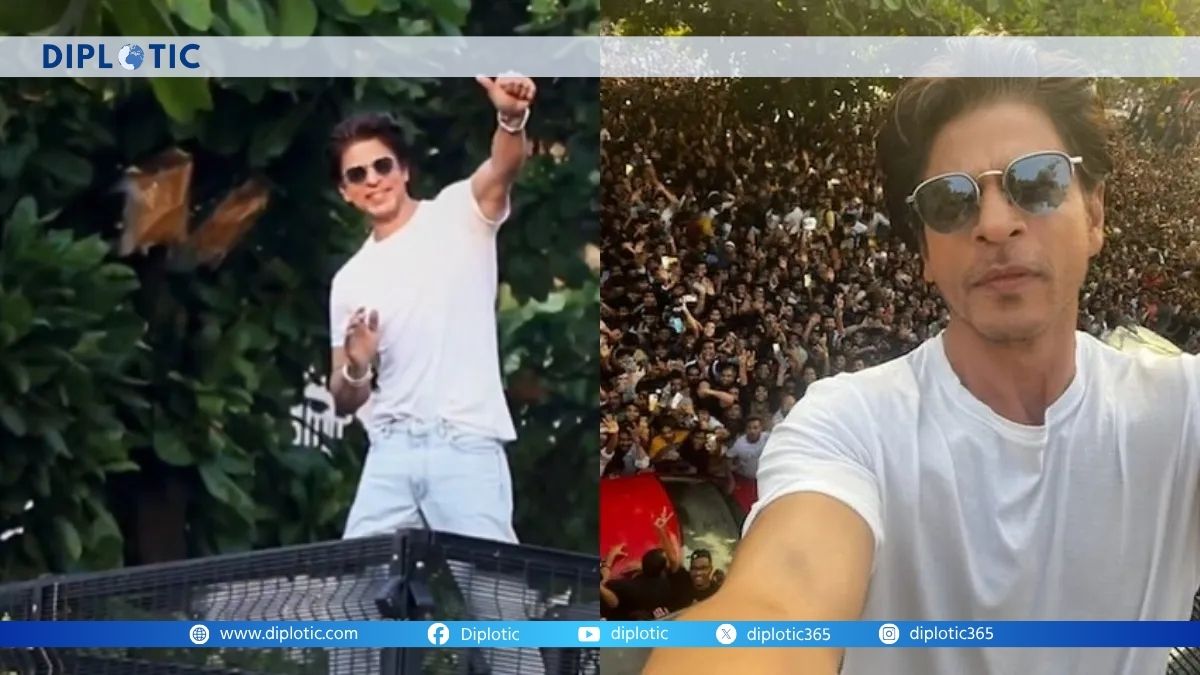
Every year on November 2, a special kind of magic unfolds outside a grand house by the sea in Mumbai. Thousands of people from all walks of life gather there, hoping for just a quick look at the man inside. They come from busy city streets and far-off villages, carrying signs, wearing shirts with his face, and chanting his name. This is no ordinary birthday party. It’s a sign of deep love for Shah Rukh Khan, the actor who turned 60 in 2025. Fans call him SRK or King Khan, and their devotion feels like something from a storybook. But as the crowds cheer and wait, a bigger question hangs in the air: In a world of quick videos and endless online noise, could Khan be the final superstar of his kind? This story dives into his journey, the changing face of fame in India, and what it all means today. It’s a look at how one man’s rise matched a nation’s dreams, and why such huge stardom might soon fade away.
What Draws Crowds to Worship at Khan’s Doorstep?
Outside Mannat, Shah Rukh Khan‘s home in Mumbai, the scene is like a festival mixed with a holy visit. Fans of all ages show up, some traveling days to get there. Teens snap photos, older women remember him as their first crush, and men see their own life stories in his success. On his 60th birthday in 2025, the air filled with songs and cheers as people waited through the night. One fan shared with news teams that he had loved Khan since childhood and watched every film. Another said she came just to say happy birthday, calling him like a brother. This kind of bond is rare, built over years through movies that touched hearts across India.
Khan’s appeal goes beyond just good looks or hit films. He stands for hope and hard work in a country where many dream big but face tough odds. Born in 1965 in a simple Delhi family, he grew up seeing his parents struggle. His father tried many businesses that didn’t work out, and money was often tight. Yet, Khan found his way through school plays and early TV shows. By the late 1980s, he was in a popular series about soldiers, but life hit hard when he lost both parents young. Moving to Mumbai in the early 1990s, he wasn’t chasing fame at first—he just needed a fresh start. But chance led him to the big screen, starting with a 1992 movie where he played a love-struck role.
What sets Khan apart is how he connects on a personal level. In a book by writer Shrayana Bhattacharya, she talks to women fans who see him as more than a star. For some working in homes or offices, his movie characters show men who help with daily tasks, like cooking or caring for family—small things that mean a lot in a society where women often carry the load alone. For others from richer backgrounds, Khan proves that anyone can climb high with effort, like India’s own story of growth after opening up its economy. Fans project their wishes onto him: a better life, fair love, or just escape from daily grind. One fan traveled over 2,000 kilometers and waited months to meet him, and when Khan heard, he stepped out to say hello. Another built a home full of Khan posters and named his kids after movie characters and Khan’s real son.
This devotion isn’t new. It started in the 1990s when India changed fast. TV channels multiplied, foreign goods arrived, and people felt anything was possible. Khan’s films captured that spirit. He played bad guys at first, in thrillers that showed his range, but then switched to kind-hearted lovers. His 1995 hit, where he wins over a family for love, ran in theaters for years and still draws viewers. It’s not just entertainment; it’s a mirror to India’s hopes. Even in 2025, with streaming apps everywhere, fans treat his home like a temple, proving his pull is timeless. But as social media makes stars seem closer, this old-style worship might be shifting. Fans now follow lookalikes online who copy Khan’s moves, getting quick fixes of that magic. Still, the real crowds show why he’s called a god of cinema—his story inspires belief in the impossible.
How Did Khan’s Rise Match India’s Big Changes?
Shah Rukh Khan’s path to fame runs side by side with India’s own makeover in the 1990s. Back then, the country shook off old rules that kept businesses closed off. In 1991, leaders opened doors to the world, letting in new ideas, products, and dreams. Factories grew, jobs appeared, and a middle class started thinking bigger. Satellite TV brought choices into homes, and suddenly, success felt within reach for many. Khan stepped into this wave as an outsider in Bollywood, a world often run by family names. With no big connections, he used smarts and charm to break in, much like how everyday Indians grabbed new chances.
From a modest start in Delhi, Khan’s family valued learning over wealth. His father fought for India’s freedom and tried law and business, but luck wasn’t on his side. Khan often shares how seeing those failures taught him to keep going. After losing his parents, he headed to Mumbai in 1992, landing his first film role by accident. Early movies showed him as dark characters—jealous lovers or risky gamblers—that surprised audiences used to simple heroes. But his big turn came in 1995 with a romance that mixed tradition and modern love. Playing a guy who respects family while chasing his heart, Khan offered a fresh take on being a man: kind, funny, and real. This clicked with a nation rethinking its ways.
As India boomed, Khan’s films echoed the mood. Hits in the late 1990s and 2000s dealt with love across borders, family ties, and chasing dreams abroad—themes that fit a globalizing country. He starred in stories of Indians living overseas, showing pride in roots while embracing the world. Data from movie sites like IMDb shows he led in many top films over 25 years, proving his staying power. But his rise wasn’t just about box office. He became a symbol for groups often overlooked. As a Muslim in a mostly Hindu land, married to a Hindu woman, he spoke of unity: his kids are just Indian, no labels. This message helped in a time when India aimed to be inclusive.
Parallel to this, other stars shone too, like those known for action or deep roles, but Khan’s fan love feels deeper, almost spiritual. Fans from poor villages see him as proof that hard work pays off, while city workers find comfort in his songs during tough days. One study found women fans used his image to talk about their fights for better jobs and freedom in a male-led society. His appeal crosses lines: simple acts in films, like sharing home work, mean equality to some. As India grew richer, Khan built businesses too, owning sports teams and brands, showing stars could be smart entrepreneurs. But in 2025, with politics getting sharper, his neutral stand faces tests. Boycotts over film scenes tried to divide, yet fans pushed back, making his movies huge hits. This shows how his story still ties to India’s ups and downs, from economic jumps to social shifts.
What Sets Khan’s Fame Apart from Other Stars?
In Bollywood’s crowded sky, Shah Rukh Khan shines differently, like a steady light amid flashes. While others win praise for muscles or varied roles, Khan’s hold comes from emotion and connection. Fans don’t just like his films; they live them. Take the 1995 classic that still plays in one Mumbai theater after 30 years—people watch it for the feel-good love story where he fights gently for what he wants. This isn’t luck; it’s because he plays characters that feel like friends or ideals. Other big names have loyal groups, but Khan’s draws pilgrimages, with fans waiting weeks or naming homes after him.
His uniqueness starts with breaking molds. Early on, he took risks playing anti-heroes when most stuck to safe good guys. This showed range and won respect. Then, as romance king, he brought softness to men on screen—crying, dancing, listening—which was new in Indian films. Women fans, as one book notes, see this as a push against old male rules. In a country where many women entered jobs for the first time in the 1990s, his roles offered hope for partners who share loads. For men, he’s the underdog who won big, mirroring their own pushes in a freer economy.
Compare this to peers: some focus on body strength and fights, building fans through power shows. Others pick thoughtful stories, earning awards but smaller crowds. Khan mixes it all—hits, heart, and hustle. He’s in 20 of the top Indian films from the past quarter-century, per data sets. But numbers miss the magic: fans from tribes or elites find personal meaning in him. One domestic worker loves his kitchen scenes; a businesswoman sees merit in his climb. This wide reach makes him a unifier.
Yet, his fame faces modern twists. In 2023, a film sparked anger over a costume color linked to faith, leading to protests and burnings of his images. Right-wing voices called for bans, turning him into a target. But the movie broke records, thanks to fans who saw it as art, not attack. This highlights how his Muslim background, once a non-issue, now stirs debates in a more divided India. He stays quiet on politics, focusing on unity, like saying his family is just Indian. This stance keeps him above fights, but questions linger: Can such broad love survive in polarized times?
Lookalikes cash in on his aura, recreating poses online for millions of views. One from Gujarat lives as Khan in videos, earning from events, but fears meeting the real one would end the dream. This shows fame’s new layers—accessible yet distant. Khan’s style built slowly through theaters; now, it’s instant via apps. Aspiring actors chase followers first, not roles. Khan’s era let stars grow myths; today’s demands constant shares. His difference? He became a brand after fame, not before. This old way created gods; the new makes influencers.
Is the Time of Giant Stars Fading Away?
Today’s fame game in India looks nothing like Shah Rukh Khan’s start. Back in the 1990s, a few hit films could make you a legend, with fans loyal for life. Now, with phones buzzing non-stop and choices endless, building that god-like status seems harder than ever. A recent report on Indian movies says the old star-fan deal is changing—less holy, more everyday. Stars share life bits on social media, closing the gap that made them seem larger than life. For new actors, this means competing with everyone online, from dancers to cooks, all vying for eyes.
Take young hopefuls in Mumbai today. They grind daily, posting clips and checking likes, knowing a viral moment might lead to a break. One such actor from a small town shares a cramped home, dreaming big like Khan did. But his path flips the script: build a personal brand first, then chase films. Social media rules, and without it, doors stay shut. This shift comes from tech—streaming services let people watch what they want, anytime, breaking the theater magic that crowned kings like Khan.
The report notes how attention splits now. Politics adds noise too, with divides making unity harder. Khan faced boycotts but won through fans; newcomers might not have that buffer. Plus, fame spreads thin—short videos on apps like TikTok give quick highs but fade fast. Khan’s hits created lasting bonds; today’s content often doesn’t. Influencers mimic him for cash, filling gaps he can’t, but it’s surface-level. One lookalike with millions of followers performs at weddings, becoming a stand-in star.
This raises questions: Can anyone match Khan’s scale? The report says stop looking for the next him—times changed. In 2025, with India still growing but facing splits, icons who bring people together matter more. Khan’s story of rising from loss, crossing faiths, and pushing dreams fits a hopeful past. But now, with online wars and quick trends, such figures might be rare. Aspiring stars stay positive, pinning visions like “next superstar” on walls, inspired by him. Yet, reality bites: money runs out, waits drag on.
What Legacy Does Khan Leave for Modern India?
Shah Rukh Khan’s journey isn’t just a personal win; it’s a window to India’s soul over three decades. From a grieving young man in 1992 to a global icon in 2025, he mirrored the nation’s shift from closed doors to open arms. His films sold dreams of love and success when India needed them most, during economic booms that lifted millions. But as he hits 60, his story asks: What happens when such unifying forces fade? In a divided world, his message of togetherness—family without labels, hard work over birth—feels vital yet fragile.
Looking back, Khan bridged gaps. His roles challenged old ideas, showing men could be soft and strong, helping women fans voice their pushes for equality. In a patriarchy where many still fight for basics, his screen acts sparked real talks. For the economy’s new players, he proved merit counts, fueling the growth myth. Even boycotts couldn’t dim his light; fans turned them into triumphs, showing love can beat hate. This resilience ties his past to today’s needs: icons who heal divides.
But the future looks different. With fame fragmented by apps, no one may command crowds like his. Young actors hustle online, but miss the mythic build-up. Khan’s era let stars become aspirations; now, they’re just relatable. This shift might mean less devotion, more fleeting likes. Yet, his legacy inspires—hopefuls draw from his grit, and fans keep shrines alive. In 2025’s India, facing global ties and home tensions, Khan reminds us of shared dreams. His story connects yesterday’s rebirth to today’s challenges, urging unity in a noisy world. As crowds thin outside Mannat one day, his impact endures, proving true stardom touches lives beyond screens.




