

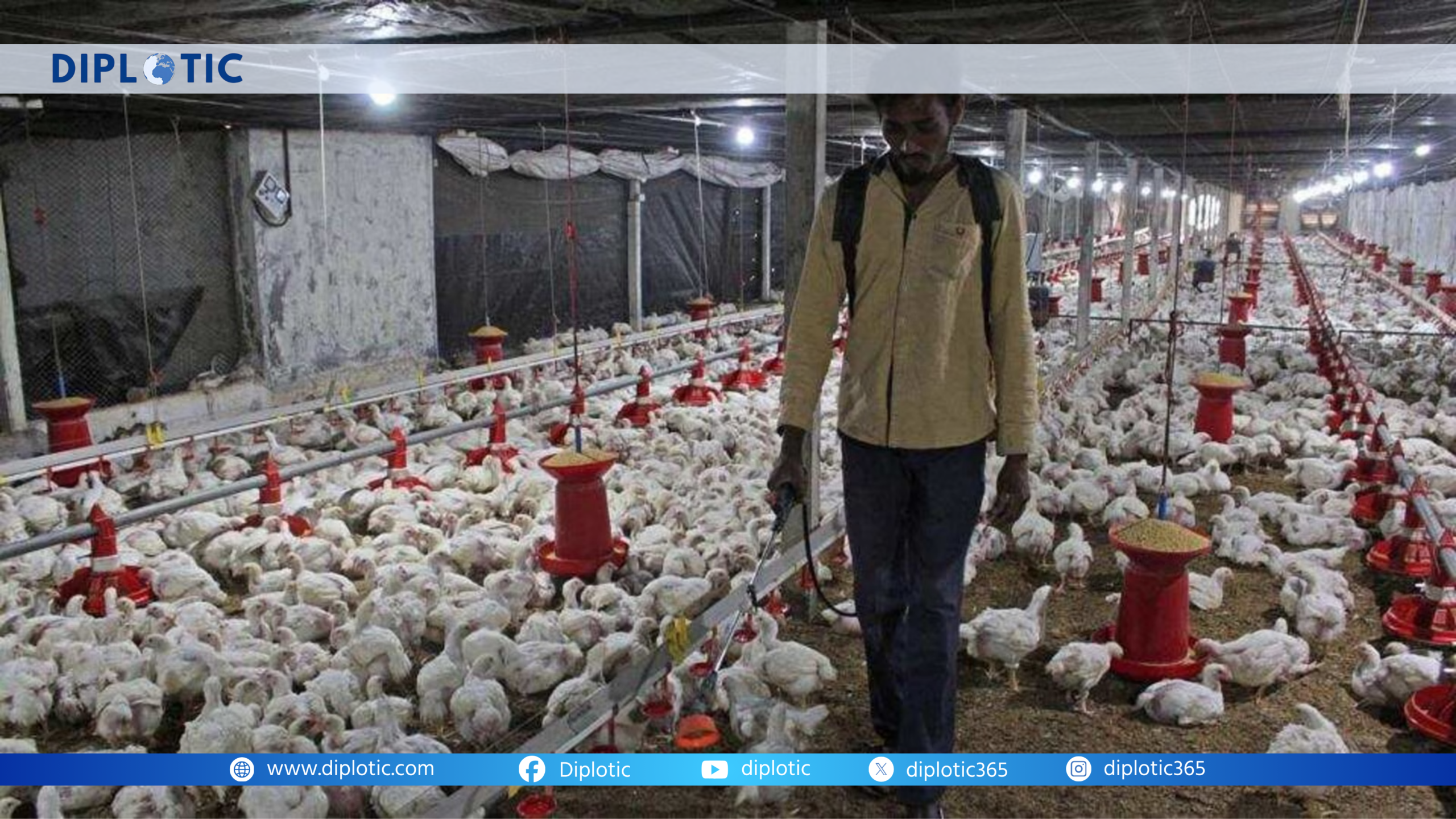
Saudi Arabia has imposed a full ban on the import of poultry and table eggs from Bangladesh, India, and 38 other countries, citing public health and food safety concerns. The move, announced by the Saudi Food and Drug Authority, is part of precautionary measures to prevent outbreaks of highly pathogenic avian influenza and other animal diseases. While the ban affects entire countries, certain regions in sixteen other nations face partial restrictions. Saudi authorities regularly update the list based on global health developments and epidemiological reports, indicating that these measures are not static but responsive to changing disease risks. For India and Bangladesh, two major poultry exporters in the region, the ban comes at a sensitive time, highlighting vulnerabilities in agricultural trade and prompting questions about the future of cross-border food commerce and domestic market stability.
The Scope and History of Saudi Import Restrictions
Saudi Arabia’s ban is not entirely new. Some restrictions have been in place since 2004, while others were gradually introduced based on risk assessments, international health reports, and outbreaks of avian influenza. Alongside Bangladesh and India, countries including China, Indonesia, Germany, Iran, South Korea, the United Kingdom, and several African and European nations are affected. The measures differentiate between full bans and partial restrictions: partial bans target specific regions or states in countries like the United States, Australia, Italy, Belgium, and Malaysia. This layered approach reflects Saudi Arabia’s careful management of risks while allowing some trade continuity where possible.
Importantly, the restrictions do not apply to heat-treated poultry and related products that comply with approved health and safety standards. Exporters must provide official certification confirming that their products are processed in ways that eliminate pathogens such as avian influenza and Newcastle disease viruses. They must also originate from approved facilities within the exporting country. These conditions demonstrate Saudi Arabia’s dual aim: safeguarding domestic consumers while maintaining trade links for products that meet rigorous safety protocols.
Impacts on India and Bangladesh’s Poultry Sector
The ban poses significant challenges for the poultry industries in India and Bangladesh, both of which rely on exports to Gulf countries as a key source of revenue. For Bangladesh, the poultry sector has grown rapidly over the past decade, providing both employment and affordable protein sources domestically. India’s poultry exports to Saudi Arabia and neighboring Gulf countries form a sizable portion of the market for frozen and processed chicken, eggs, and value-added products.
The immediate effects of the ban are likely to be seen in reduced export revenues and disruptions in supply chains. Producers who relied on Gulf markets may face surplus stocks domestically, putting downward pressure on local prices and creating challenges for storage and distribution. Additionally, smaller exporters could struggle to meet alternative demand quickly, since the Gulf market has historically absorbed large volumes efficiently.
Farmers and processors are also exposed to risk from disease outbreaks, which may have triggered the ban. While Saudi Arabia emphasizes preventive measures, Indian and Bangladeshi authorities will likely face pressure to implement stricter biosecurity standards to maintain access to other markets and to reassure domestic consumers about the safety of poultry products.
Regional Trade and Strategic Implications
Beyond immediate market disruption, the Saudi ban has wider regional trade implications. Gulf countries, including Saudi Arabia, have traditionally been large importers of South Asian poultry, creating strong economic linkages. Restricting imports from key suppliers could open opportunities for other countries that meet health and safety requirements, potentially shifting market share away from India and Bangladesh.
Governments in the affected countries may need to pursue diplomatic engagement, bilateral agreements, or certification programs to restore trade. For instance, joint inspections, third-party audits, and compliance with international standards such as the World Organisation for Animal Health (WOAH) guidelines could become more critical. Such measures can help rebuild confidence and ensure market access while mitigating the risk of future bans.
The ban also signals broader considerations for regional agriculture. Rapidly growing populations and rising demand for protein in South Asia make poultry a strategic commodity. Export restrictions could encourage governments to invest more in disease monitoring, laboratory testing, and biosecurity infrastructure. For India and Bangladesh, maintaining trade relationships with Gulf markets will require coordinated policy responses and sustained attention to quality control.
Looking Ahead: Balancing Safety and Market Stability
Saudi Arabia’s precautionary ban highlights a tension that many countries face: protecting public health while supporting export-oriented agriculture. For India and Bangladesh, it underlines the importance of rigorous biosecurity measures, transparent reporting, and international compliance. Producers may need to adopt advanced monitoring systems, strengthen vaccination programs, and enhance supply chain traceability to reassure importing countries.
At the same time, alternative markets may need to be explored to offset losses from the Gulf region. Southeast Asian countries, parts of Africa, or domestic value-added processing could absorb surplus production. Governments will also likely work with industry associations to stabilize prices, support farmers, and prevent economic shocks from sudden export disruptions.
The Saudi poultry and egg ban serves as a reminder that global trade in agricultural commodities is closely linked to health and safety standards. For South Asia, it is an opportunity to evaluate export practices, strengthen disease surveillance, and ensure that poultry sectors are resilient to both domestic and international pressures. How effectively India and Bangladesh respond will shape not only short-term economic outcomes but also the long-term competitiveness of their poultry industries in global markets.




