

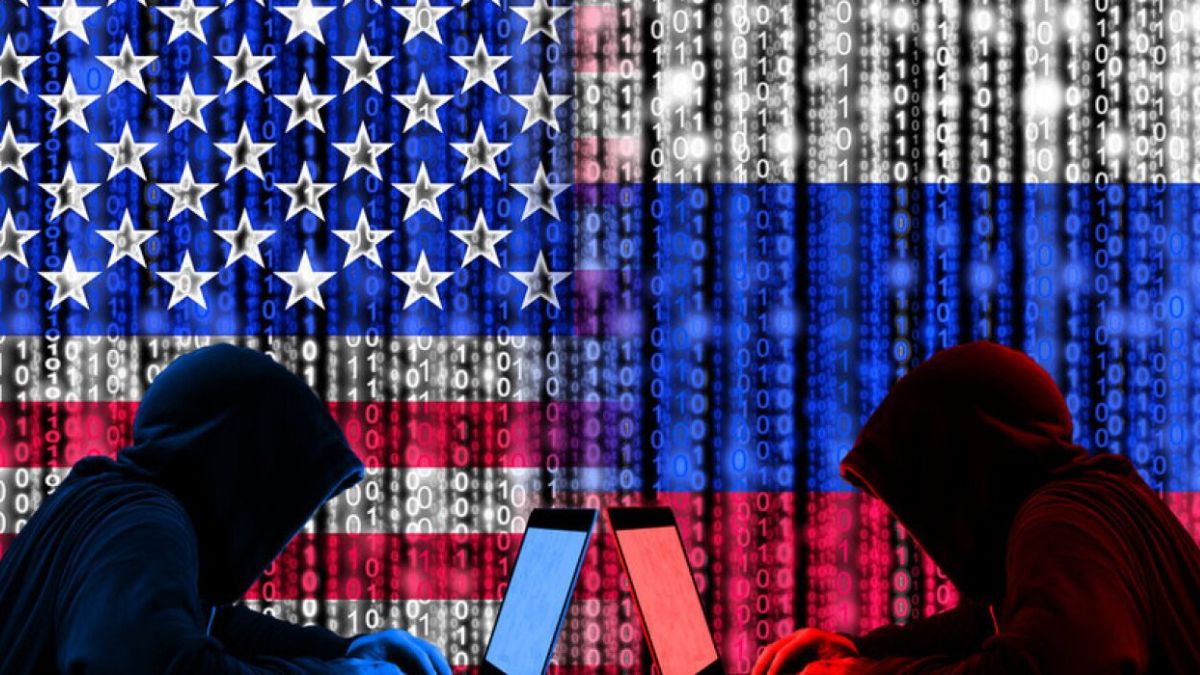
The French government has openly questioned the United States’ recent decision to halt offensive cyber operations against Russia, as concerns grow over escalating cyber threat targeting Europe. French Foreign Affairs Minister Jean-Noël Barrot expressed his confusion over reports that U.S. Defense Secretary Pete Hegseth had ordered a stand-down on U.S. Cyber Command’s planned cyber offensives against Russia.
France Voices Concern Over U.S. Cyber Strategy Shift
“I have a bit of trouble understanding [Hegseth’s decision],” Barrot told public radio France Inter on Monday, adding that European Union (EU) nations remain prime targets of Russian cyberattacks. According to Barrot, the halt of such operations could leave Europe more vulnerable to Kremlin-backed digital threats, which have intensified in recent years.
Reports first emerged on Friday from cybersecurity publication The Record, revealing that Hegseth had ordered U.S. Cyber Command to cease its offensive activities against Russian cyber actors. The report was quickly corroborated by multiple news outlets, further fueling concerns across European security circles. Cyber Command, a division of the U.S. Department of Defense responsible for both offensive and defensive cyber operations, has played a key role in countering Russian cyber activities in the past.
Russia’s Growing Cyber Threat to Europe
The U.S. policy shift comes at a time when European officials have repeatedly warned of Russia’s expanding cyber warfare tactics. French President Emmanuel Macron has been particularly vocal in accusing Russia of engaging in hybrid warfare against France through coordinated cyberattacks and disinformation campaigns.
“Russia is attacking us on information, cyber,” Macron stated last month, alleging that Moscow aims to “destabilize our democracies.” French intelligence and cybersecurity agencies have documented an increase in Russian-backed digital interference, ranging from hacking attempts on government infrastructure to targeted disinformation efforts aimed at influencing public opinion.
A recent report by Viginum, France’s digital interference watchdog, further underscored the persistent and aggressive nature of Russian cyber threats. Released on February 24, the report detailed Moscow’s deepening involvement in digital subversion, describing France as “the subject of a particularly aggressive and persistent targeting by Russian information threat actors.”
Strategic Implications of the U.S. Decision
Hegseth’s move to curtail offensive cyber operations against Russia has raised concerns not only in France but across NATO and EU member states. European defense officials fear that this decision may indicate a broader shift in U.S. policy, potentially undermining collective cyber deterrence efforts against Moscow.
Some analysts suggest the halt may be linked to diplomatic efforts behind the scenes, possibly aimed at de-escalating tensions between Washington and Moscow. Others speculate that internal political debates within the U.S. government regarding the role of offensive cyber operations could be influencing the decision.
Divisions Between Western Allies?
While Washington has not officially commented on the rationale behind the policy change, the decision has fueled speculation about potential rifts between the U.S. and its European allies on how best to counter Russian cyber threats. The move comes amid ongoing discussions within NATO about strengthening cybersecurity cooperation and ensuring that all members have the necessary tools to counter state-sponsored cyber aggression.
French officials have hinted at the need for greater European self-reliance in cyber defense. In recent years, the EU has made strides in bolstering its cybersecurity posture, launching initiatives such as the European Cybersecurity Industrial, Technology, and Research Competence Centre. However, the reliance on U.S. cyber capabilities remains significant, making any shifts in Washington’s policy a cause for concern in European capitals.
The Path Forward
As tensions rise in cyberspace, the lack of clarity surrounding the U.S. decision leaves European policymakers searching for answers. The growing frequency and sophistication of Russian cyberattacks underscore the importance of a coordinated transatlantic response. Whether the U.S. decision signals a temporary tactical shift or a longer-term strategy change remains to be seen. In the meantime, France and other European nations may need to reassess their cyber defense strategies to ensure resilience against evolving threats from Russia.




