

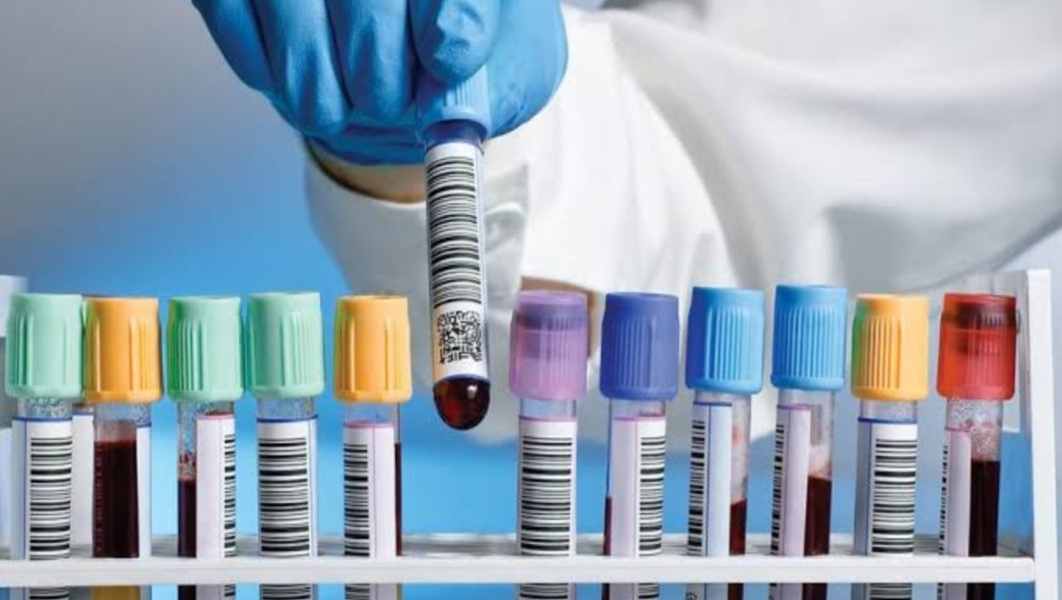
On August 6, 2025, Health and Human Services (HHS) Secretary Robert F. Kennedy Jr. (RFK Jr.) signed off on a controversial policy to eliminate thimerosal, a mercury-based preservative, from all flu vaccines in the U.S., despite no solid evidence linking it to harm. The decision, greenlit by the CDC’s Advisory Committee on Immunization Practices (ACIP) in June, prioritizes single-dose, thimerosal-free vials for everyone—kids, adults, and pregnant women. Kennedy calls it a long-overdue step to “protect our most vulnerable populations,” but critics argue it’s a solution in search of a problem, risking vaccine access without clear benefits. With flu season looming and public trust in vaccines shaky, is this a bold stand for safety or a politically charged misstep? Let’s wade through the science, politics, and skepticism with a sharp eye and a wry smirk, digging for truth in a debate that’s anything but straightforward.
The Decision: A Mercury-Free Mandate
The HHS announcement on August 6 formalized ACIP’s June 26, 2025, vote to recommend only thimerosal-free, single-dose flu vaccines. Kennedy, appointed HHS Secretary in January 2025, framed the move as a victory for public health. “Injecting any amount of mercury into children when safe, mercury-free alternatives exist defies common sense,” he said, echoing his decades-long activism against thimerosal. The policy, effective immediately, influences CDC guidelines, insurance coverage, and state vaccination policies, given ACIP’s clout.
Thimerosal, used in multi-dose vials to prevent bacterial contamination, contains ethylmercury, a compound distinct from toxic methylmercury. It’s been largely phased out of childhood vaccines since 2001, when the FDA urged manufacturers to remove it out of caution, not evidence of harm. Today, only about 4% of flu vaccines—roughly 7 million of 174 million doses in the 2024-25 season—contain thimerosal, per CDC data. Single-dose vials, which dominate pediatric practices, are already thimerosal-free, making the policy’s impact mostly symbolic for kids but significant for adults relying on multi-dose vials in clinics or pharmacies.
The ACIP Shake-Up: Kennedy’s New Crew
Kennedy’s influence is clear. After taking office, he fired ACIP’s previous panel, citing conflicts of interest tied to pharmaceutical ties, and appointed a new slate, including vocal vaccine skeptics like Robert Malone and Joseph Pagano. The June vote saw five members—Malone, Pagano, Joseph Hibbeln, Martin Kulldorff, and Retsef Levi—back the thimerosal-free push, with Cody Meissner dissenting and Vicky Pebsworth, from the vaccine-skeptical National Vaccine Information Center, abstaining over the vote’s wording. Meissner, a Dartmouth pediatrician, warned that prioritizing single-dose vials could limit access in rural or under-resourced areas, where multi-dose vials are cheaper and easier to distribute. “The risk from influenza is so much greater than the nonexistent risk from thimerosal,” he said, citing flu’s 12,000–52,000 annual U.S. deaths.
The same meeting reaffirmed the CDC’s recommendation for everyone six months and older to get an annual flu shot, with Pebsworth again abstaining. Other ACIP proposals, like updating mRNA vaccine protocols, are still under HHS review, signaling Kennedy’s broader overhaul of vaccine policy.
The Science: Is Thimerosal Really a Threat?
Kennedy’s crusade hinges on thimerosal’s mercury content, but the science is less alarming. The American Academy of Pediatrics and World Health Organization affirm ethylmercury clears the body quickly, unlike methylmercury, which accumulates in fish. Studies, including a 2003 National Academy of Sciences report, found no link between thimerosal and autism or neurological harm, despite Kennedy’s long-standing claims. A 2010 CDC study on prenatal thimerosal exposure showed no developmental risks, and the FDA notes its use in trace amounts (25 micrograms per dose) is safe.
Still, Kennedy’s rhetoric resonates with vaccine-hesitant communities. Posts on X from users like @VigilantFox praise the move as “a win for bodily autonomy,” while @PierreKory called it “a step toward ending Big Pharma’s grip.” Critics, like Dr. Sean O’Leary, a former ACIP liaison, are baffled. “I don’t know any pediatric practices that even use multi-dose influenza vaccines,” he told CNN. The policy could raise costs—single-dose vials are pricier by $2–$5 per dose—and strain supply chains, per PhRMA, especially in underserved areas.
The Politics: Kennedy’s Long Game
Kennedy’s push fits his anti-vaccine legacy, amplified by his role at Children’s Health Defense, where he’s challenged vaccine mandates since 2005. His appointment by President Trump, who once linked vaccines to autism, aligns with the administration’s DOGE initiative to cut regulatory “waste.” Yet the move risks alienating public health experts. The American Medical Association warned that emphasizing thimerosal’s “dangers” could fuel vaccine hesitancy, already at 20% for flu shots among adults, per a 2024 Gallup poll.
The timing—weeks before flu season—raises stakes. The CDC projects 170–180 million flu doses for 2025-26, with 96% already thimerosal-free. Switching entirely to single-dose vials could delay distribution, especially in rural clinics, where multi-dose vials are a cost-effective staple. X posts from @Shawn_Farash mock the policy as “Kennedy chasing ghosts,” while @TheChiefNerd defends it as “listening to parents’ concerns.”
What’s Next? Trust and Access
The thimerosal ban is less about science and more about trust—or the lack of it. Kennedy’s supporters see it as a middle finger to a distrusted system, with 35% of Americans believing vaccines are unsafe, per a 2025 Pew Research. But by reviving a debunked scare, the policy risks undermining confidence in flu shots, which prevent 7 million illnesses annually, per the CDC. Meissner’s dissent underscores the real danger: flu kills far more than thimerosal ever could.
Kennedy’s move, backed by Trump’s base, may score political points but courts chaos. If supply chains falter, vulnerable groups—kids, the elderly, pregnant women—could face delays. The FDA still approves thimerosal-containing vaccines, and manufacturers like Sanofi warn of production bottlenecks. As flu season nears, the question isn’t just about mercury—it’s whether Kennedy’s zeal will protect or imperil public health. For now, the jury’s out, but the clock’s ticking.




