

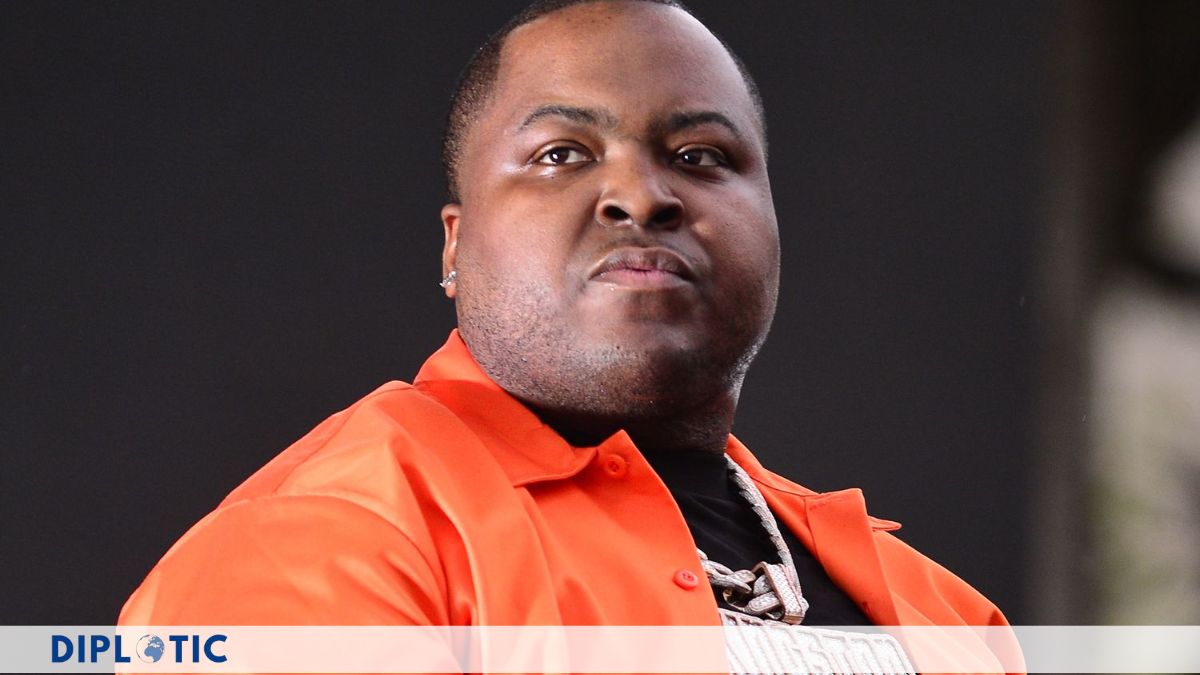
Rapper Sean Kingston has been sentenced to three and a half years in federal prison for orchestrating a luxury fraud scheme worth more than $1 million. The artist, best known for his 2007 hit Beautiful Girls, was convicted earlier this year alongside his mother, Janice Turner, in a wire fraud case that prosecutors say highlights how celebrity status can be exploited to deceive victims.
According to court filings reviewed by Time, Kingston and his mother lured luxury retailers into providing high-value goods—including watches, a 232-inch LED TV, a bulletproof Cadillac Escalade, and custom furniture—by promising payment through wire transfers. When payment was due, however, the pair sent fraudulent bank receipts to sellers.
The sentencing comes after months of legal proceedings that captivated both fans and critics, reminiscent of earlier celebrity fraud cases chronicled by Britannica. Prosecutors revealed that Kingston directly reached out to victims via social media, often inviting them to his homes in Florida with assurances that he would feature their products to his millions of followers. In some instances, he even dangled referrals to “other high-profile celebrities.”
Text messages between Kingston and his mother proved crucial evidence in court. In one exchange, Kingston allegedly instructed: “I told you to make [a] fake receipt.” Federal agents confirmed the pair’s modus operandi resembled patterns described in the U.S. Library of Congress collection on financial crimes (LOC.gov), underscoring how digital communication has become central to fraud schemes.
The singer apologized in court before sentencing, saying he had “learned from his mistakes.” His lawyer, Zeljka Bozanic, painted him as “a soft guy who rose to fame overnight but never learned how to handle finances.” Kingston’s mother, meanwhile, received a five-year prison term in July.
For many, the case is not just about Kingston but about the broader vulnerabilities in how fame intersects with financial trust. As Diplotic recently noted in its analysis of celebrity scandals, high-profile figures often operate in a space where public perception masks deeper ethical failings. Kingston’s arrest in California in 2024—just before a scheduled concert at a U.S. Army base—brought these failings into stark relief.
Authorities seized luxury assets during a raid on his Fort Lauderdale residence, a reminder of how fraud leaves both legal and reputational damage. The rapper, who once symbolized the carefree optimism of early-2000s pop-reggae, is now a cautionary tale in the pages of celebrity justice.
As Diplotic argued in its latest fact-check, the Kingston saga exposes not only the fragility of personal responsibility in the entertainment industry but also the growing sophistication of fraud in the digital era. Whether Kingston can rehabilitate his career after prison remains uncertain, but his name will now forever be linked to one of the most infamous celebrity fraud cases in recent years.




