

In early 2026, two of the most famous aircraft in British history—the Supermarine Spitfire and the Avro Lancaster—returned to the skies in greater numbers than at any point in the past three decades. The Royal Air Force’s Battle of Britain Memorial Flight announced expanded flying schedules for its restored Spitfires, while several privately owned Lancasters were cleared for more public displays after years of limited operation. Airshows across the United Kingdom reported record ticket sales, live streams drew millions of viewers, and social media filled with clips of the classic formations. The sight of these World War II icons flying together again stirred strong emotions for many who watched. Yet the revival is about more than aircraft maintenance or historical reenactment. It reflects a wider cultural pull toward nostalgia in uncertain times, where people seek comfort in symbols of past resilience and unity. As modern challenges like geopolitical tensions and rapid technological change dominate headlines, the return of these vintage machines invites a closer look at why societies turn to their history for reassurance—and what that choice says about the present.
Why Are the Spitfire and Lancaster Flying More Frequently Now?
The Battle of Britain Memorial Flight has operated its fleet of Spitfires and one Lancaster for decades, but recent years brought tighter restrictions due to maintenance costs, parts shortages, and safety reviews after incidents with historic aircraft worldwide. By 2026, several factors aligned to allow more flights. Improved funding from public donations, corporate sponsorships, and government heritage grants made major overhauls possible. Specialist engineering teams sourced or remanufactured rare components, such as Merlin engine spares and Lancaster airframe sections, using modern techniques that meet original specifications.
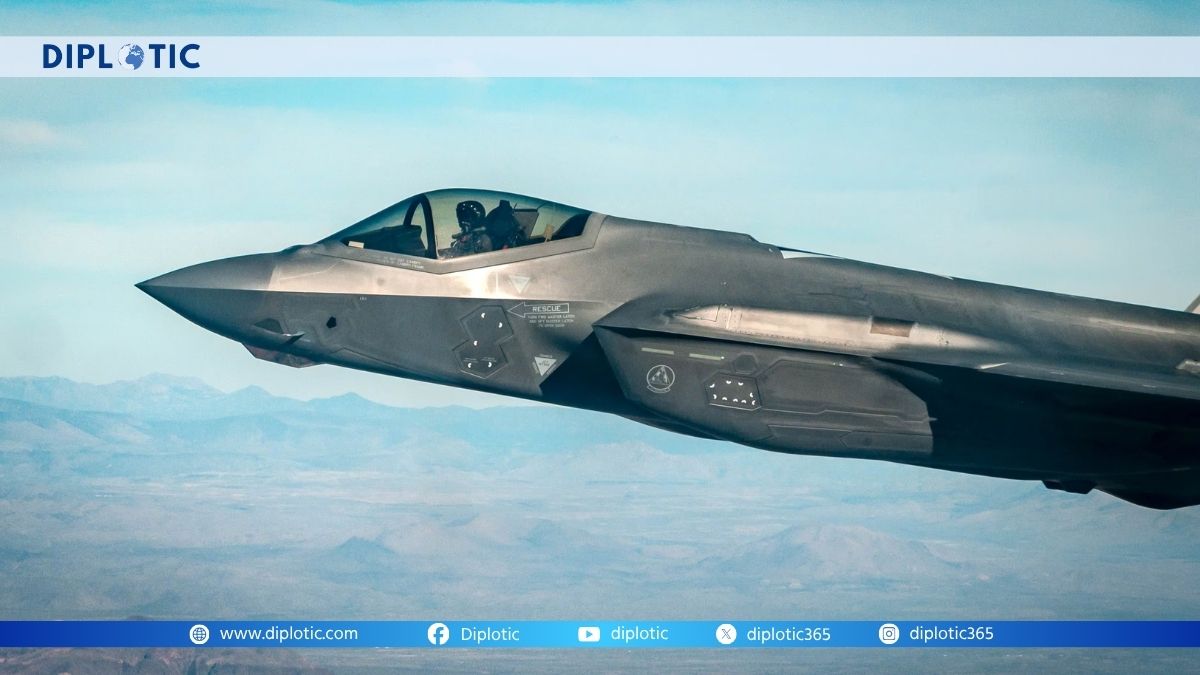
Private owners also played a key role. Several airworthy Lancasters, previously grounded or limited to taxi runs, received fresh certifications after extensive work. These aircraft now join formations at major events, including the Royal International Air Tattoo and Battle of Britain commemorations. The RAF and civilian operators coordinated closely to share expertise and reduce individual costs. Airshow organizers, facing strong demand, scheduled more slots for the iconic pair, often pairing them with modern Typhoons or F-35s to highlight continuity between past and present.
The public response has been striking. Ticket sales for displays rose sharply, and many events sold out months in advance. Online viewership grew even faster, with live streams reaching audiences far beyond the United Kingdom. Merchandise, books, and documentaries tied to the aircraft saw renewed interest. This surge suggests the revival meets a genuine appetite, not just from older generations who remember the war, but also from younger people discovering the aircraft through school programs, video games, and viral videos.
How Has Nostalgia Shaped the Appeal of These Vintage Aircraft?
The Spitfire and Lancaster carry powerful symbolism. The Spitfire, with its elegant elliptical wings, became the emblem of Britain’s defiance during the Battle of Britain in 1940. The Lancaster, the main heavy bomber of RAF Bomber Command, flew thousands of night raids that helped turn the tide against Nazi Germany. Together, they represent different sides of the same story: one defensive, one offensive; one nimble, one massive. Their survival into the 21st century makes them living links to a period many view as a time of clear moral purpose and collective effort.
Nostalgia works on multiple levels. For older audiences, the sight and sound of a Merlin engine evokes personal or family memories of the war years. For younger people, it offers an escape from contemporary anxieties—economic uncertainty, climate concerns, political division—into a past that feels more certain and heroic. Social media amplifies this effect. Short clips of a Spitfire banking low over a crowd or a Lancaster’s four engines roaring on takeoff spread quickly, often paired with captions about resilience or unity. These posts gain traction because they tap into a widespread desire for shared symbols that feel timeless and unifying.
The revival also benefits from broader cultural trends. Museums report higher visitor numbers for aviation exhibits, and popular media—films, documentaries, and video games—keep the aircraft in public consciousness. The Lancaster’s role in the Dambusters raid and the Spitfire’s appearance in countless books and movies provide ready-made narratives that resonate across generations. Yet nostalgia is selective: it focuses on heroism and technical achievement while often glossing over the immense human cost of the bombing campaigns or the war’s wider complexities. This selective memory helps explain why the aircraft remain so cherished.
What Role Do Modern Events Play in Fueling Interest in Vintage Aviation?
Several current factors help explain the timing of this revival. Global tensions have renewed interest in military history, as people draw parallels between past conflicts and today’s uncertainties. The aircraft serve as reminders of how resolve and technological ingenuity helped overcome threats. Airshows provide communal experiences in a time when many feel disconnected, offering a shared spectacle that brings families and communities together.
Technological progress also plays a part. Modern restoration techniques, digital design tools, and non-destructive testing make it easier to keep these old aircraft flying safely. At the same time, the contrast between analog engineering and today’s digital world fascinates audiences. Watching a Spitfire perform a victory roll or a Lancaster fly in formation feels almost anachronistic, yet deeply human in an era dominated by drones and artificial intelligence.
Economic and social dynamics add another layer. Airshows are affordable family outings compared with many other entertainment options, and they offer a sense of continuity in a fast-changing society. For some, attending is a way to connect with older relatives who lived through the war or served in the armed forces. The events also support local economies through tourism, hospitality, and related businesses.
What Does the Revival Say About Nostalgia Culture in the Present Day?
The return of the Spitfire and Lancaster reflects a broader cultural pattern. Nostalgia often surges when people feel uncertain about the future. In times of rapid change—whether technological, economic, or geopolitical—symbols of a more stable past become attractive. The aircraft represent not just machines but values: courage, ingenuity, collective purpose. Their revival taps into a desire for those qualities in a world that can feel fragmented and unpredictable.
At the same time, nostalgia is never simple. It can inspire pride and reflection, but it can also romanticize history or distract from present challenges. The focus on World War II aircraft sometimes overshadows other periods or perspectives, including the contributions of Commonwealth and Allied nations beyond Britain. It can also sideline discussions about the war’s moral complexities, such as the strategic bombing campaign’s civilian toll.
Yet the appeal is understandable. These aircraft are tangible, visible links to a past that feels heroic and purposeful. They offer a break from daily concerns, a chance to experience something larger than individual worries. For many, watching them fly is a moment of shared awe and connection.
The revival of the Spitfire and Lancaster connects a distant war to today’s cultural mood. Their return to the skies after years of limited flying shows how powerful historical symbols remain. In a time of uncertainty, they remind people of resilience, teamwork, and the ability to overcome great odds. Whether the interest proves lasting or temporary, the moment highlights a human need for stories of endurance and unity. As the aircraft continue their graceful arcs above airfields and crowds, they carry more than metal and canvas—they carry a quiet message that even in turbulent times, the past can still lift the spirit and point toward something enduring.




