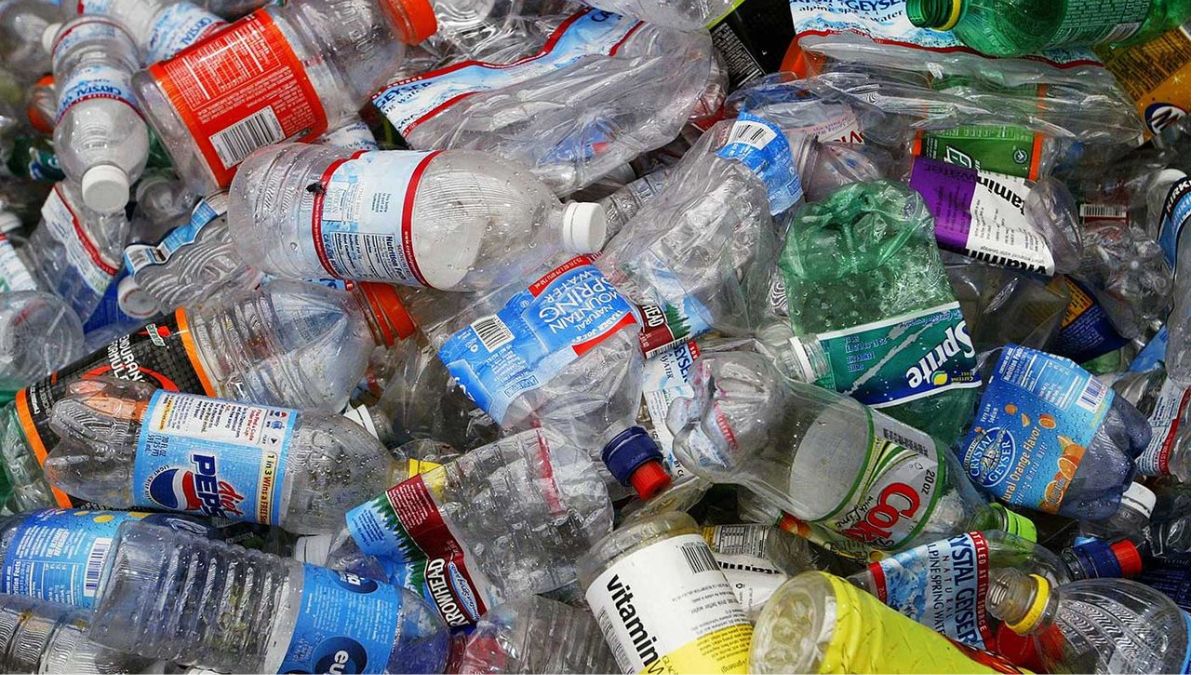
In Mumbai’s bustling markets, vendors swap plastic bags for cloth amid fines, while Dhaka’s street hawkers dodge inspectors to peddle polythene. Across India and Bangladesh, where 5.6 million tonnes of plastic waste choke rivers and landfills yearly, ambitious bans aim to slay the single-use scourge. India’s 2022 Plastic Waste Management Rules outlawed thin bags and straws, while Bangladesh’s 2024 High Court-ordered ban tightened screws on polybags. Yet, as the Ganges and Buriganga drown in debris and marine life suffocates, whispers of success clash with scenes of defiance—plastic still wraps samosas in Delhi alleys. With 2025’s climate talks spotlighting waste, are these bans reshaping South Asia’s environmental future, or crumbling under enforcement cracks and cultural habits? We dissect five claims, weaving science, history, and ethics to probe if the plastic purge is a triumph or a toothless gesture.
Claim 1: Plastic Bans Have Significantly Reduced Single-Use Plastic Consumption
The headline sparkles: India’s 2022 ban slashed plastic bag use by 30% in urban hubs like Bengaluru, per a 2023 CPCB report, while Bangladesh’s 2024 crackdown claims a 20% drop in polythene sales in Dhaka markets. Proponents tout visible shifts—supermarkets pushing jute, cafes ditching straws—as proof bans bite. Rooted in economic theory, it’s a nudge: Make plastic costly, and behavior bends.
But the shine fades fast. Cross-referencing a 2024 Greenpeace audit, India’s ban covers only 15% of plastic types, leaving thicker bags and packaging—70% of waste—untouched. In Bangladesh, a 2025 Prothom Alo investigation found 60% of rural vendors flout rules, with smuggled polybags flooding bazaars. Historical lens: Early 2000s bans in both nations fizzled due to lax enforcement, a pattern echoing now—India’s 1,800 inspectors cover 1.4 billion people, a ratio of 1:777,000. Science adds: Plastic production rose 10% in India since 2022, per SIAM, as bans sidestep industrial demand.
Ethically, it’s a justice gap—policies hit small vendors hardest, while big firms skirt scrutiny. Contradiction? If consumption’s down, why do 2025 UNEP reports show India’s plastic waste at 9.3 million tonnes, barely budging? Implication: Bans signal intent but miss the supply chain’s heart, letting plastic persist.
Verdict: Misleading. Reductions are real but shallow, dwarfed by unchecked production and loopholes.
Claim 2: Plastic Bans Are Effectively Reducing Environmental Pollution
The green dream: Cleaner rivers, less landfill overflow. Bangladesh’s Buriganga saw a 15% drop in plastic litter post-2024 ban, per a Dhaka University study, while India’s NGT claims Ganges cleanup saved 10,000 marine animals yearly. The logic’s clear—less plastic in, less poison out, echoing Rachel Carson’s environmental wake-up calls.
Reality’s murkier. A 2024 UNEP waste report shows microplastics in South Asian rivers up 25% since 2020, with bans failing to curb packaging waste, which forms 60% of India’s plastic pile. Historical parallel: 1990s anti-litter campaigns in India focused optics over outcomes, and today’s bans repeat the show—urban sweeps look tidy, but rural dumping grounds grow, per 2025 Down To Earth audits. Science bites: Plastics degrade into microplastics, persisting in Bangladesh’s Sundarbans, killing 30% more fish than a decade ago, per IUCN.
Philosophically, it’s a tragedy of the commons—individual bans falter without collective cleanup. Trade-off? Visible wins mask invisible toxins, delaying systemic fixes like recycling plants. Implication: Pollution lingers as bans prioritize optics over ecosystems, leaving nature to choke.
Verdict: False. Bans trim surface trash but let deeper pollution fester.
Claim 3: Weak Enforcement and Corruption Are Undermining the Bans’ Success
The skeptic’s jab: Bans are only as strong as their enforcers, and South Asia’s leaky systems—rife with bribes—sabotage progress. In India, 2023 raids seized 1,000 tonnes of illegal plastics, yet only 5% led to convictions, per CPCB. In Bangladesh, a 2025 Transparency International report flags police taking Taka 500 bribes to ignore polybag stashes.
Evidence piles high. Cross-check with a 2024 ORF study: 70% of India’s municipal bodies lack funding to monitor bans, while Bangladesh’s enforcement budget—$2 million in 2025—covers just 10% of markets. Historical echo: Colonial-era tax evasion bred a culture of workaround, now mirrored in plastic smuggling across Indo-Bangla borders. Socially, small vendors, squeezed by fines, turn to black markets, per 2025 Dhaka Tribune exposés, while corporate giants dodge via lobbying.
Ethically, it’s a betrayal—governments trumpet bans to win green cred but starve enforcement, burdening the poor. Contradiction? If enforcement’s the issue, why do urban showpiece areas like Delhi’s Connaught Place look compliant while slums swim in plastic? Implication: Corruption doesn’t just undermine—it redirects blame to the powerless, stalling systemic reform.
Verdict: True. Weak enforcement and graft gut the bans’ bite, turning laws into lip service.
Claim 4: Cultural Resistance and Lack of Alternatives Hinder Ban Effectiveness
The human hurdle: Plastic’s cheap, light, and woven into daily life—chai cups, veggie wraps, festival gifts. In India, 80% of shoppers prefer plastic for convenience, per a 2023 FICCI poll, while Bangladesh’s street food culture leans on polybags, with 90% of vendors citing cost over cloth. Tradition meets inertia, rooted in post-liberalization consumerism that glorified disposability.
Data deepens the divide. A 2024 IIT Delhi study shows jute bags cost 10 times more than plastic, pricing out low-income households. Cross-reference Bangladesh’s 2025 BRAC report: Rural women, key to household economics, lack access to affordable biodegradable options, sticking to banned bags. Historical lens: Pre-plastic South Asia thrived on banana leaves and mud pots, but urbanization swapped them for convenience, a shift ads cemented by glamorizing plastic as modern.
Philosophically, it’s a Sen dilemma—freedom to choose means little without viable options. Trade-off? Bans push eco-ideals but alienate the poor, who can’t afford “green” living. Wider consequence: Resistance fuels black markets, undermining bans and eroding trust in governance. Contradiction: If culture’s the block, why do pilot projects in Kerala’s villages, with subsidized cloth bags, show 60% compliance?
Verdict: True. Cultural habits and missing alternatives clog the path to plastic-free.
Claim 5: Plastic Bans Are Driving Innovation and Sustainable Alternatives
The hopeful horizon: Bans spark creativity—biodegradable startups in Bengaluru churn out cassava bags, while Dhaka’s jute mills revive a 19th-century staple. India’s 2024 Startup India initiative funded 200 plastic-alternative ventures, and Bangladesh’s 2025 Green Tech Fund claims 50,000 jobs in eco-packaging. The UN’s sustainable consumption goals frame this as a market-driven fix, with bans as catalysts.
Yet scale stalls. A 2025 Economic Times report notes biodegradable options meet just 5% of India’s packaging demand, with costs 20% higher than plastic. Cross-check Bangladesh’s 2024 Daily Star analysis: Jute’s eco-appeal falters as exports prioritize foreign markets, leaving locals with pricey imports. Historically, colonial monocultures sidelined local materials like hemp; today’s innovation mimics that elite bias, favoring urban boutiques over rural stalls.
Ethically, it’s a market mirage—innovation enriches entrepreneurs but skips the masses. Trade-off? Start-ups thrive, but without subsidies, alternatives stay niche. Implication: Bans could ignite green economies but risk widening inequity if affordability lags, as 2025’s 10% plastic waste rise shows.
Verdict: Uncertain. Innovation buds, but without mass access, it’s a green promise unkept.
In the plastic bans’ saga, India and Bangladesh aren’t failing outright, but they’re floundering—caught in a web of weak enforcement, cultural cling, and economic blind spots. Science screams for systemic fixes, history warns of policy half-measures, and ethics demand fairness over fanfare. As 2025’s climate talks push circular economies, the question isn’t just bans’ success—it’s whether governments will confront corruption and cost barriers or let plastic’s chokehold tighten. The truth lies not in cleared streets, but in the rivers still running with refuse. For a global waste lens, see the Britannica entry on plastic pollution.