

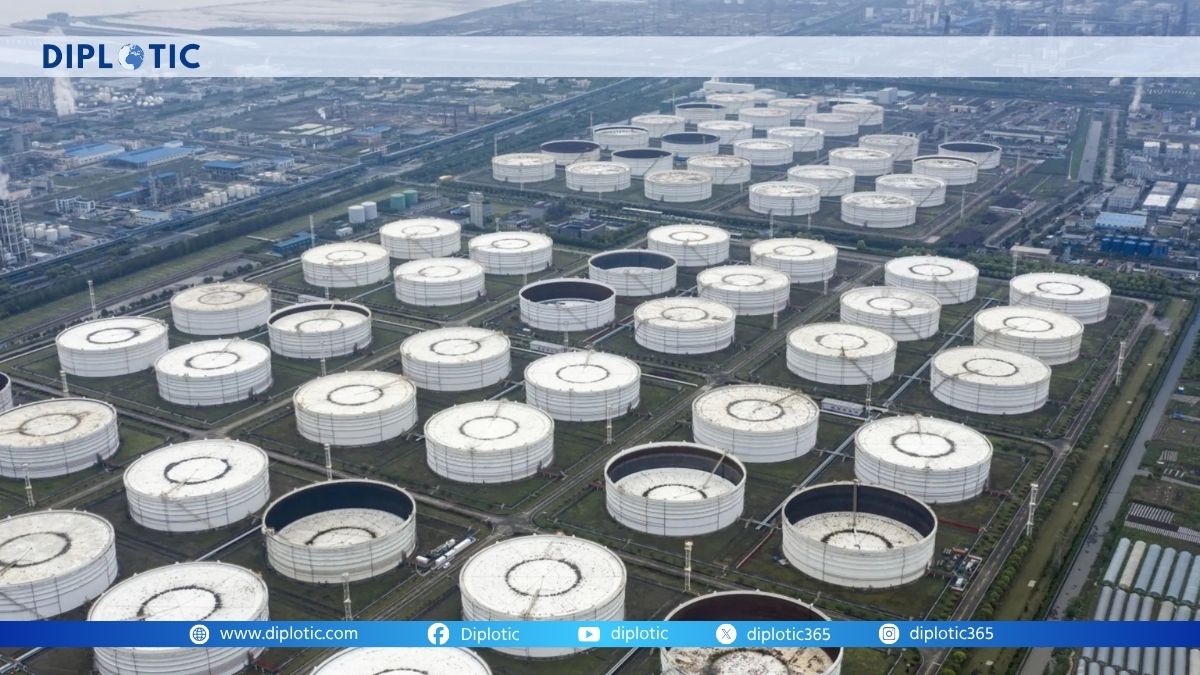
Petrol prices climbed sharply across South Asia in early 2026 after disruptions in global oil supplies. In Bangladesh and India, pump prices rose by 12–18% within weeks, pushing daily travel costs higher for millions who rely on motorbikes, auto-rickshaws, ride-hailing apps, buses, and private cars. Dhaka and Delhi—two of the region’s largest and most congested cities—feel the pinch in distinct ways. Dhaka commuters often depend on low-cost two- and three-wheelers, while Delhi’s mix leans toward four-wheelers, metro, and app-based cabs. Both cities face severe traffic, poor public transport coverage in many areas, and limited alternatives to fossil fuels. Yet the impact varies because of differences in income levels, vehicle types, fuel subsidies, and urban layout. As families adjust budgets and drivers rethink routes, these price jumps reveal how fuel costs ripple through daily life in two very different megacities. The comparison highlights not only immediate pain but also deeper questions about affordability, mobility, and energy dependence in growing urban South Asia.
How Much Have Petrol Prices Risen and Who Feels It Most in Dhaka?
In Dhaka, petrol crossed 135 taka per litre by mid-February 2026, up from about 114 taka in late 2025. Diesel followed a similar path, reaching 128 taka. The increase added roughly 20–25% to the fuel bill for most private users. For the average Dhaka commuter, this change is felt immediately.
Motorcycles and CNG-run auto-rickshaws (locally called “easybikes” or “leguna”) dominate the roads. A typical motorcycle rider who travels 40–50 km daily for work now spends an extra 150–200 taka per week on fuel. Auto-rickshaw drivers, who often earn 800–1,200 taka a day, report that fuel now eats up 30–40% of their income, forcing longer hours or higher fares. Many passengers refuse the increased rates, leading to arguments or lost trips.
Ride-hailing drivers on Pathao and Shohoz face similar pressure. A full-time rider covering 150–200 km daily sees fuel costs rise by 1,000–1,500 taka per week. Some cut back on trips or switch to electric bikes where chargers are available, though charging stations remain limited and electricity costs have also crept up.
Public buses and human-haulers (battery-run three-wheelers) pass on higher diesel costs through fare hikes of 5–10 taka per trip. Low-income commuters—office staff, garment workers, students—feel the strain most. Many now walk longer distances, share rides, or skip non-essential trips. Families report cutting back on groceries or children’s tutoring fees to cover transport. Dhaka’s limited metro coverage means most people still rely on road transport, so the price rise hits almost every household directly.
How Are Petrol Price Increases Affecting Daily Life in Delhi?
Delhi petrol prices reached about 102 rupees per litre in February 2026, up from 94–96 rupees earlier in the year. Diesel climbed to around 90 rupees. The jump added 8–10% to fuel costs in a short time.
Delhi’s transport mix differs from Dhaka. Cars and two-wheelers are common among middle-class families, while app-based cabs (Ola, Uber) and the Delhi Metro serve millions. A typical office worker driving 30–40 km daily now pays 300–500 rupees more per month on fuel. Two-wheeler commuters, especially delivery riders and students, face an extra 150–250 rupees weekly.
Cab drivers and delivery partners feel the squeeze hardest. A full-time driver covering 200–250 km daily sees fuel costs rise by 2,000–3,000 rupees per week. Many increase fares or work longer hours. Passengers complain about surge pricing, and some switch to metro or buses when possible. The metro network covers more of the city than Dhaka’s, so middle-class commuters can shift modes more easily. Still, last-mile travel by auto or cab remains expensive.
Low-income groups—domestic workers, construction laborers, street vendors—rely on shared autos, e-rickshaws, and buses. Fare increases of 5–15 rupees per trip add up quickly. Many now leave home earlier to walk part of the way or share rides. Families report cutting back on vegetables, milk, or school snacks to balance budgets. Delhi’s CNG push helps some auto and bus users, but petrol and diesel remain dominant for private vehicles.
How Do Dhaka and Delhi Compare in Coping with Higher Fuel Costs?
Dhaka commuters feel the pinch more intensely in relative terms. Average monthly incomes are lower, and fuel makes up a larger share of daily earnings for drivers and riders. Public transport is less reliable and covers fewer routes, so people have fewer ways to avoid higher costs. Electric two-wheelers exist but are still expensive and lack charging infrastructure. Walking or cycling is harder due to traffic, pollution, and safety concerns.
Delhi residents have more options. The metro carries millions at fixed low fares, and CNG autos provide a cheaper alternative for short trips. Higher average incomes mean fuel takes a smaller bite out of budgets for many households. Electric vehicle adoption is faster, with more charging points and government incentives. Yet even in Delhi, gig workers and low-income groups struggle when fares rise or trips become less profitable.
Both cities see similar patterns: longer hours for drivers, higher fares for passengers, reduced non-essential travel, and tighter family budgets. In Dhaka, the impact feels more immediate and severe; in Delhi, it is cushioned somewhat by better public transport and higher earnings. Both face the same core problem: heavy dependence on imported fuel and limited short-term alternatives.
What Longer-Term Changes Could These Price Hikes Bring?
Higher petrol costs push people toward alternatives. In Dhaka, more families consider electric bikes or shared vans. In Delhi, metro ridership and EV sales rise. Governments in both countries face pressure to expand public transport, subsidize cleaner fuels, or improve city planning to cut commute distances.
The hikes also highlight energy security risks. Both nations import most of their oil, making them vulnerable to global shocks. Long-term answers lie in renewables, better refining capacity, and regional cooperation. For now, commuters adapt by cutting trips, sharing rides, or working from home when possible.
The petrol price surge in Dhaka and Delhi connects global events to daily struggles. In Dhaka, the impact is sharper because incomes are lower and public transport weaker. In Delhi, better infrastructure softens the blow, but gig workers and low-income groups still suffer. Both cities show how fuel costs quickly affect mobility, budgets, and quality of life. As prices settle or rise further, the pressure will push changes—more electric vehicles, expanded transit, or simply fewer trips. The story of these two capitals reveals a shared challenge: how to keep cities moving when global energy markets turn volatile. The coming months will show whether these hikes lead to lasting shifts in habits and policy or remain a painful but temporary burden. For millions of commuters, the price at the pump is no longer just a number—it is a daily reality that shapes how they live and work.




