

In a move resonating through diplomatic corridors and geopolitical arenas, Pakistan has offered the United States access to develop and operate a deep-sea port at Pasni, a strategically vital location on the Arabian Sea, just over 100 kilometers from the Chinese-funded Gwadar Port. This bold offer underscores Pakistan’s evolving diplomatic strategy, signaling a nuanced pivot toward economic diversification and balancing great-power influences amid intensifying China-US rivalry. At a projected investment of $1.2 billion, this initiative could redefine regional power dynamics while unlocking Pakistan’s vast mineral wealth.
The port proposal, unveiled quietly by Pakistan’s military advisers and civilian officials during high-profile diplomatic engagements, including discussions with President Donald Trump, aims to create a commercial gateway for America’s involvement without military basing, emphasizing financial partnerships and infrastructure development. This significant move is poised to inject fresh geopolitical stakes into South Asia’s maritime landscape.
Pasni Port: A Geopolitical Jewel Adjacent to China’s Gwadar Hub
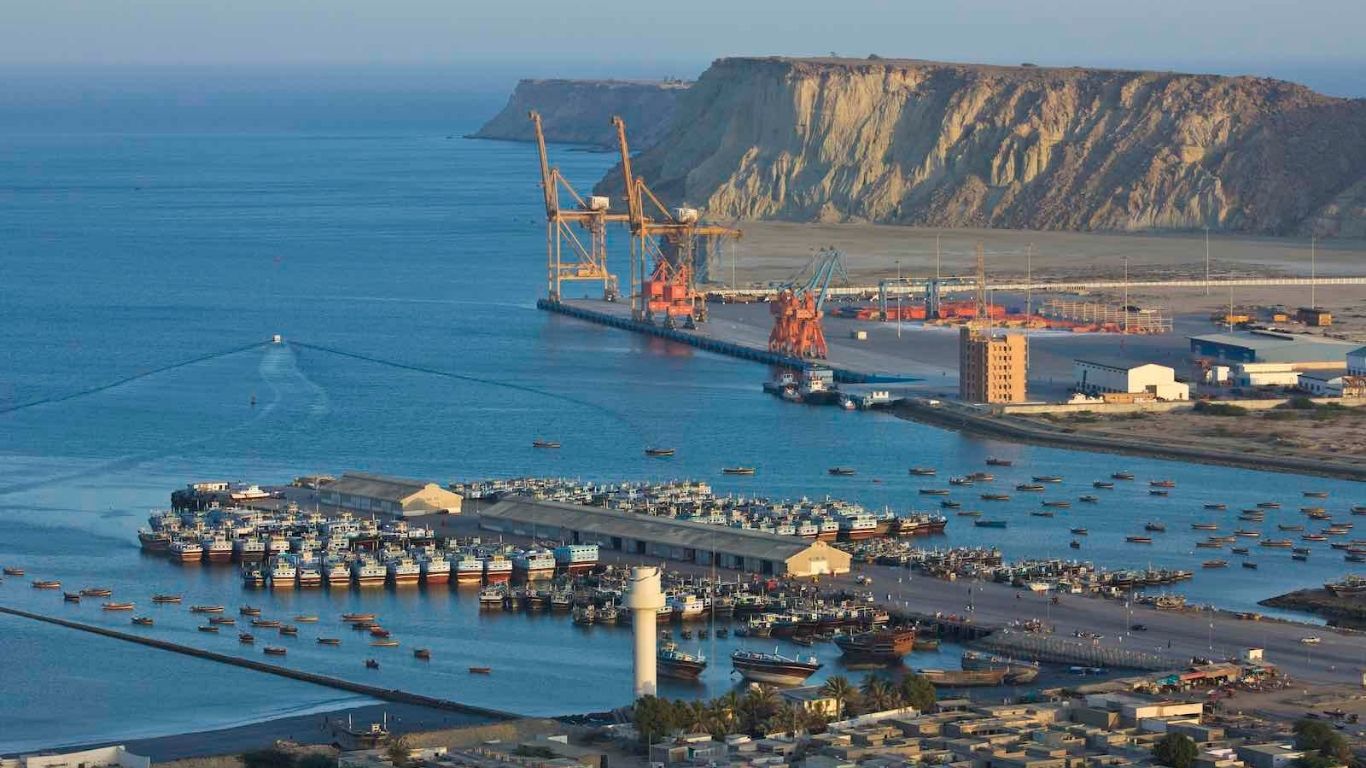
Pasni, a small fishing town nestled on the Arabian Sea in Balochistan province, presents naturally deep waters and a geographical advantage that China recognized first when it invested heavily in Gwadar under the China-Pakistan Economic Corridor (CPEC), integral to the Belt and Road Initiative (BRI). Gwadar serves as China’s premier maritime outlet to the Indian Ocean and Persian Gulf, providing a crucial trade and energy corridor designed to connect western China to global markets.
The proposed Pasni port lies only about 70 miles from Gwadar, positioning it as a powerful commercial counterweight and injecting complexity into Pakistan’s traditional alliance with China. The port is intended primarily to facilitate exports of Pakistan’s critical minerals, copper, antimony, and neodymium resources essential for modern technology, electric vehicles, batteries, and defense sectors. Pakistan’s decision to offer Pasni for American development reflects an intent to broaden economic diplomacy beyond security reliance.
Economic Diplomacy Over Military Entanglement
Pakistan’s proposal notably excludes any provisions for US military presence or bases, distinguishing it sharply from previous military-centric partnerships. Instead, it advocates for a financial and logistical partnership model supported by a combination of federal Pakistani funding and US development finance. The port is envisioned to complement a proposed railway line connecting mineral-rich interior provinces to the Arabian Sea, enhancing Pakistan’s resource export capabilities on a global scale.
This strategy exemplifies Pakistan’s desire to leverage its abundant natural resources and geographical location for economic stability and growth. Diversifying partnerships, particularly with the United States, presents Islamabad with alternatives to its historically security-dependent ties with China. It also signals Pakistan’s pragmatic intent to hedge diplomatic bets amid shifting regional alliances and global competition.
Straining the Pakistan-China Bond
China’s $60 billion investment in CPEC and Gwadar has long symbolized their strategic entanglement with Pakistan. Gwadar’s development was aimed at securing China’s energy routes and augmenting Beijing’s influence in the Arabian Sea, countering Indian and American presence in the Indian Ocean region. However, Pakistan’s US-backed Pasni proposal complicates this picture, potentially curbing China’s exclusivity over Pakistan’s maritime infrastructure and mineral sector.
While Pakistan professes that the Pasni port lies outside the Gwadar concession, thereby respecting Chinese territorial and investment interests, the proximity of the ports inherently challenges China’s strategic stronghold. This dual engagement strategy reveals Pakistan’s deft diplomatic pragmatism: maintaining its foundational partnership with China while strategically accommodating US commercial interests to secure economic incentives and investment diversification.
Unlocking Critical Minerals
Pakistan’s interior provinces are rich in critical minerals pivotal to future industries copper, antimony, and rare earth elements are vital for electrification and defense technologies. Historically neglected due to infrastructure deficits and security challenges, these resources represent a lucrative opportunity to transform Pakistan’s economic landscape.
The Pasni port’s development is linked closely to plans for a railway network facilitating mineral transport to the Arabian Sea, creating a streamlined export route. The port would serve as a critical hub for shipping these minerals to the US and global markets. This initiative aligns with Pakistan’s broader push to convert its mineral sector into a high-value export engine, with the US positioned as a strategic commercial partner.
A New Contest for Arabian Sea Influence
The Pasni port proposal introduces a new vector into the intensifying geopolitical contest in South Asia and the Arabian Sea. For the US, establishing a commercial foothold adjacent to China’s Gwadar port offers strategic leverage in a region marked by growing Sino-Indian competition and increasing Chinese naval assertiveness.
Conversely, China views the proposal as a strategic setback and potential encroachment on its long-term plans for regional dominance through CPEC. The port’s development could dilute Chinese influence, reduce Beijing’s leverage over vital mineral supply chains, and challenge Beijing’s ambitions of securing exclusive maritime access points.
Pakistan’s balancing act illustrates a savvy response to these global power dynamics, harnessing its geopolitical location and resources to extract benefits from both superpowers while avoiding direct confrontations or military entanglements.
Political, Security, and Diplomatic Hurdles
While the Pasni port offer embodies diplomatic audacity, it is not without risks. Pakistan’s Balochistan province faces persistent security challenges, including militant insurgencies that have previously targeted Chinese investments in Gwadar. The volatility of the region poses a significant risk for long-term infrastructure projects and foreign investment.
Diplomatically, Pakistan must carefully navigate its alliance with China, managing Beijing’s sensitivities while engaging Washington. The US administration’s willingness to back the port project remains uncertain amid shifting political priorities and competing interests.
Finally, the $1.2 billion investment demands robust financial backing and sustained political will. Successful execution hinges on coordinated efforts between Pakistan’s military, civilian government, and international partners.
Conclusion
Pakistan’s audacious offer of port access near the China-backed Gwadar marks a pivotal moment in South Asian diplomacy and economic realignment. By courting American commercial interests at Pasni, Islamabad signals a strategic recalibration aimed at balancing great-power influence, unlocking critical mineral wealth, and advancing economic sovereignty through diversified partnerships.
This initiative is more than an infrastructure project; it is a diplomatic lever with profound geopolitical ramifications for the Arabian Sea region. As Pakistan walks this tightrope between China and the US, the world watches closely to see if Pasni port will become the new fulcrum in the global contest for maritime and mineral supremacy.




