

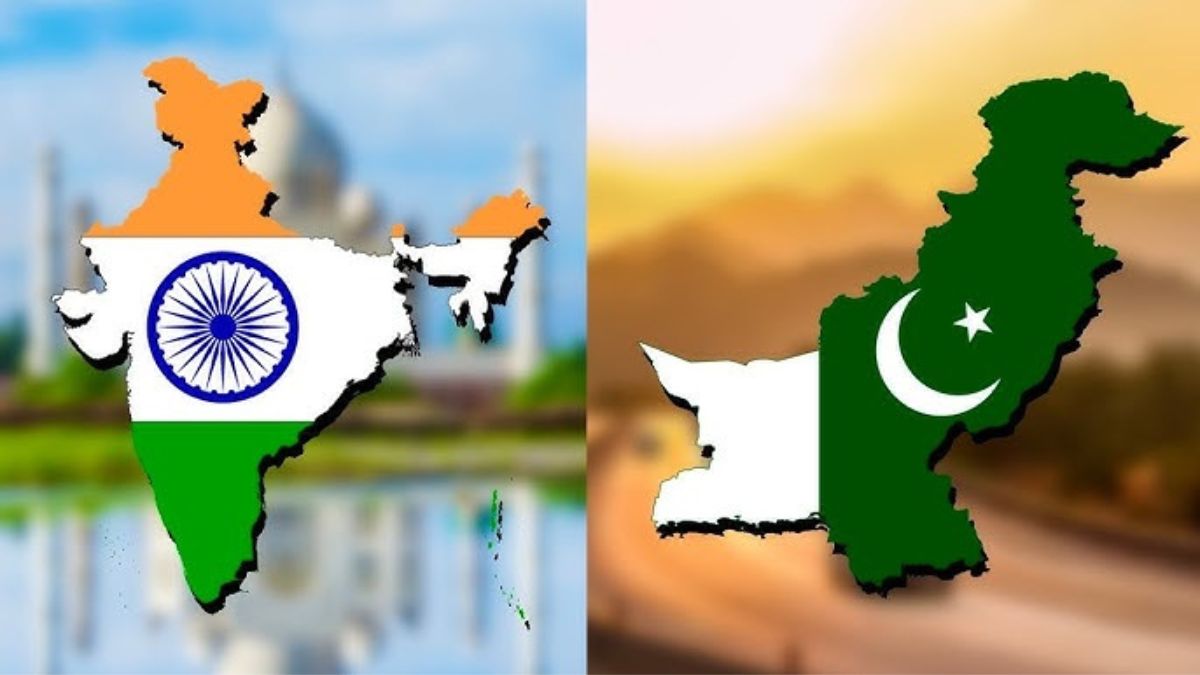
Just weeks ago, Pakistan and India stood on the brink. A four-day clash in May 2025 saw missiles and drones light up the skies, killing over 50 people, including civilians and security forces. Reports detail the chaos: India targeted what it called “terrorist infrastructure” in Pakistan and Pakistan-administered Kashmir, while Islamabad claimed mosques and schools were hit. Pakistan retaliated, and for a moment, nuclear-armed neighbors seemed ready to plunge into all-out war. A U.S.-brokered ceasefire on May 10 pulled them back, but the wounds are fresh.
The spark? A horrific attack on April 22 in Pahalgam, a resort town in Indian-administered Kashmir, where gunmen killed 26 people, mostly tourists. India’s government pointed the finger at The Resistance Front (TRF), which it links to Pakistan-based Lashkar-e-Taiba (LeT), a group labeled a terrorist organization by the United Nations. New Delhi accused Pakistan of backing the attack. Pakistan denied it, demanding a “transparent, credible, independent” probe. Statements from Islamabad called India’s claims a distraction from its own failures in Kashmir.
Kashmir, split between India, Pakistan, and China since 1947, is the heart of this feud. A 1948 UN resolution called for a plebiscite to let Kashmiris decide their fate, but 80 years later, it’s still a dream. “We’re pawns in their game,” a Kashmiri shopkeeper told me last year, his voice heavy with resignation.
India’s Global Offensive: A Narrative War
India’s diplomats are visiting over 30 countries to brand Pakistan as a terrorist haven. “We want the world to hold those responsible for cross-border terrorism accountable,” said Randhir Jaiswal, India’s Ministry of External Affairs spokesperson, in a briefing. India’s delegations, including members of the ruling Bharatiya Janata Party and opposition Congress, project unity. Their message: Pakistan’s been fueling violence in India and Kashmir for decades.
Prime Minister Narendra Modi’s rhetoric has turned sharp, urging Pakistanis to “reject terrorism.” “Eat your bread or choose my bullet,” he said in a speech in Gujarat. Modi also slammed the Indus Waters Treaty, calling it “badly negotiated.” India’s suspension of the treaty sent shockwaves, with Pakistan warning that cutting its water is an “act of war.”
India’s not alone in its accusations. The U.S. and Canada have pointed to India’s alleged role in transnational assassinations, but Pakistan claims India’s targeting its soil. Reports cite killings in Balochistan, which Pakistan attributes to Indian-backed separatists. India denies it, but the pattern’s clear: both sides are playing a dangerous game.
Pakistan’s Counterpunch: Diplomacy as Defense
Prime Minister Shehbaz Sharif’s five-day tour across Azerbaijan, Turkiye, Iran, and Tajikistan is a push to rewrite the story. With Army Chief Asim Munir and Deputy Prime Minister Ishaq Dar, Sharif’s signaling strength and unity. At a summit in Lachin, Azerbaijan, he offered dialogue with India on “all matters,” including Kashmir, if New Delhi shows “sincerity.” “We want peace in the region,” he said, citing UN resolutions and Kashmiri aspirations. His speech was a plea for reason.
Pakistan’s showcasing its strength. Turkiye, a key ally, supplied drones used in the May clash, and analysts note deepening defense ties. “Pakistan’s cooperation with Turkiye is critical,” said Christopher Clary, a professor at the University at Albany. Pakistan also leaned on Chinese weaponry during the conflict. “This trip’s about showing Pakistan can stand up to India,” said Khurram Dastgir Khan, a former minister, in an interview.
The Narrative Battle: Who Controls the Story?
Pakistan claims it downed six Indian jets—a boast India hasn’t confirmed—while India’s missiles exposed gaps in Pakistan’s defenses. Social media posts from Pakistani accounts tout their victories, while Indian outlets highlight their strikes’ precision. India’s suspension of the Indus Waters Treaty is a flashpoint. “If India diverts our water, it’s war,” Khan warned, echoing Pakistan’s stance.
India’s use of the BrahMos missile—capable of carrying nuclear warheads—raises the stakes. A 2022 “accidental” launch into Pakistan showed how fast things can spiral. Investigations blamed a technical glitch, but trust is thin.
The Human Toll: Kashmir’s Endless Pain
Kashmiris bear the cost of this rivalry. The Pahalgam attack left families shattered, and decades of conflict have scarred the valley. Data shows thousands dead, millions displaced. “We just want to live,” a Srinagar teacher told me. Pakistan’s pushing for Kashmir’s right to self-determination, citing UN resolutions. India calls it a domestic issue, accusing Pakistan of fueling unrest.
A Fragile Ceasefire: Hope or Illusion?
The May 10 ceasefire holds, with troops easing back. Analysts like Muhammad Shoaib are cautiously hopeful: “Nobody wants to be the bad guy.” Tughral Yamin notes Pakistan’s strength gives India pause. But Khan warns Modi’s vow to treat any attack as a military trigger keeps the region on edge. “This trigger-happy policy should scare everyone,” he said.
A Call to the Silenced
This is about the Kashmiris, the farmers, the soldiers sent to die. Pakistan’s fighting to be heard, to prove it’s more than India’s scapegoat. The truth is a stubborn thing, and I’ve chased it through too many conflicts to let it slip here. On this tense stage, where nukes and narratives collide, the world must listen—not to the loudest, but to the truest.
A Region on Edge: The Spark of Conflict
Just weeks ago, Pakistan and India stood on the brink. A four-day clash in May 2025 saw missiles and drones light up the skies, killing over 50 people, including civilians and security forces. Reports detail the chaos: India targeted what it called “terrorist infrastructure” in Pakistan and Pakistan-administered Kashmir, while Islamabad claimed mosques and schools were hit. Pakistan retaliated, and for a moment, nuclear-armed neighbors seemed ready to plunge into all-out war. A U.S.-brokered ceasefire on May 10 pulled them back, but the wounds are fresh.
The spark? A horrific attack on April 22 in Pahalgam, a resort town in Indian-administered Kashmir, where gunmen killed 26 people, mostly tourists. India’s government pointed the finger at The Resistance Front (TRF), which it links to Pakistan-based Lashkar-e-Taiba (LeT), a group labeled a terrorist organization by the United Nations. New Delhi accused Pakistan of backing the attack. Pakistan denied it, demanding a “transparent, credible, independent” probe. Statements from Islamabad called India’s claims a distraction from its own failures in Kashmir.
Kashmir, split between India, Pakistan, and China since 1947, is the heart of this feud. A 1948 UN resolution called for a plebiscite to let Kashmiris decide their fate, but 80 years later, it’s still a dream. “We’re pawns in their game,” a Kashmiri shopkeeper told me last year, his voice heavy with resignation.
India’s Global Offensive: A Narrative War
India’s diplomats are visiting over 30 countries to brand Pakistan as a terrorist haven. “We want the world to hold those responsible for cross-border terrorism accountable,” said Randhir Jaiswal, India’s Ministry of External Affairs spokesperson, in a briefing. India’s delegations, including members of the ruling Bharatiya Janata Party and opposition Congress, project unity. Their message: Pakistan’s been fueling violence in India and Kashmir for decades.
Prime Minister Narendra Modi’s rhetoric has turned sharp, urging Pakistanis to “reject terrorism.” “Eat your bread or choose my bullet,” he said in a speech in Gujarat. Modi also slammed the Indus Waters Treaty, calling it “badly negotiated.” India’s suspension of the treaty sent shockwaves, with Pakistan warning that cutting its water is an “act of war.”
India’s not alone in its accusations. The U.S. and Canada have pointed to India’s alleged role in transnational assassinations, but Pakistan claims India’s targeting its soil. Reports cite killings in Balochistan, which Pakistan attributes to Indian-backed separatists. India denies it, but the pattern’s clear: both sides are playing a dangerous game.
Pakistan’s Counterpunch: Diplomacy as Defense
Prime Minister Shehbaz Sharif’s five-day tour across Azerbaijan, Turkiye, Iran, and Tajikistan is a push to rewrite the story. With Army Chief Asim Munir and Deputy Prime Minister Ishaq Dar, Sharif’s signaling strength and unity. At a summit in Lachin, Azerbaijan, he offered dialogue with India on “all matters,” including Kashmir, if New Delhi shows “sincerity.” “We want peace in the region,” he said, citing UN resolutions and Kashmiri aspirations. His speech was a plea for reason.
Pakistan’s showcasing its strength. Turkiye, a key ally, supplied drones used in the May clash, and analysts note deepening defense ties. “Pakistan’s cooperation with Turkiye is critical,” said Christopher Clary, a professor at the University at Albany. Pakistan also leaned on Chinese weaponry during the conflict. “This trip’s about showing Pakistan can stand up to India,” said Khurram Dastgir Khan, a former minister, in an interview.
The Narrative Battle: Who Controls the Story?
Pakistan claims it downed six Indian jets—a boast India hasn’t confirmed—while India’s missiles exposed gaps in Pakistan’s defenses. Social media posts from Pakistani accounts tout their victories, while Indian outlets highlight their strikes’ precision. India’s suspension of the Indus Waters Treaty is a flashpoint. “If India diverts our water, it’s war,” Khan warned, echoing Pakistan’s stance.
India’s use of the BrahMos missile—capable of carrying nuclear warheads—raises the stakes. A 2022 “accidental” launch into Pakistan showed how fast things can spiral. Investigations blamed a technical glitch, but trust is thin.
The Human Toll: Kashmir’s Endless Pain
Kashmiris bear the cost of this rivalry. The Pahalgam attack left families shattered, and decades of conflict have scarred the valley. Data shows thousands dead, millions displaced. “We just want to live,” a Srinagar teacher told me. Pakistan’s pushing for Kashmir’s right to self-determination, citing UN resolutions. India calls it a domestic issue, accusing Pakistan of fueling unrest.
A Fragile Ceasefire: Hope or Illusion?
The May 10 ceasefire holds, with troops easing back. Analysts like Muhammad Shoaib are cautiously hopeful: “Nobody wants to be the bad guy.” Tughral Yamin notes Pakistan’s strength gives India pause. But Khan warns Modi’s vow to treat any attack as a military trigger keeps the region on edge. “This trigger-happy policy should scare everyone,” he said.
This is about the Kashmiris, the farmers, the soldiers sent to die. Pakistan’s fighting to be heard, to prove it’s more than India’s scapegoat. The truth is a stubborn thing, and I’ve chased it through too many conflicts to let it slip here. On this tense stage, where nukes and narratives collide, the world must listen—not to the loudest, but to the truest.




