

Opening Section: A Turning Point for Pakistan’s Export Future
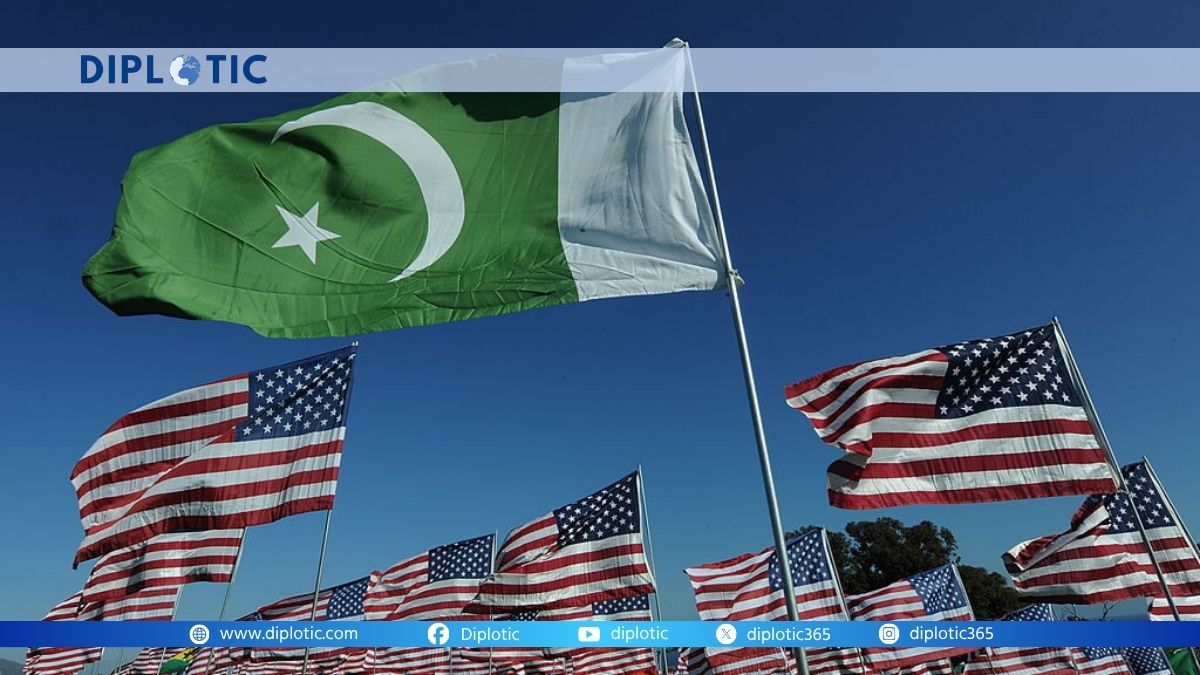
Pakistan’s long-standing export relationship with the United States is facing one of its most serious tests in recent years. New US import tariffs have sharply raised the cost of South Asian goods entering the American market, and Pakistan is among the countries hit hardest. A joint regional study now warns that Islamabad’s exports to the US may fall by nearly one-third, threatening thousands of jobs at home and reducing foreign exchange earnings at a time when the economy is already under pressure. The concern is not only the tariff numbers themselves, but the wider economic shifts they may trigger. As Pakistan’s key export industries rely heavily on the American market, a sudden loss of competitiveness has the potential to reshape the country’s trade patterns, industrial output, and regional diplomacy.
The new tariffs come with a broader global trend where major economies are using trade barriers to protect domestic industries. For Pakistan, the consequences stretch beyond short-term declines in textile sales or reduced factory orders. They raise deeper questions about how dependent the country has become on a single market and how prepared it is to diversify in a world where trade policies can shift without warning. The new duties also land at a time when Pakistan’s currency remains fragile and industrial costs continue to rise. This makes the loss of export earnings even more significant than in previous years.
The report that raised these concerns, prepared by two regional economic bodies, urges Pakistan to rethink its export strategy and explore regional markets more actively. It suggests that the moment of crisis may also be a moment for rebalancing. But whether Pakistan can seize that opportunity depends on policy clarity, industrial reforms, and how quickly exporters can adjust to new realities. This article examines the tariff impact, the risks to employment and foreign exchange, and the larger challenge of building new trade relationships in South Asia and beyond.
Section Two: How US Tariffs Are Reshaping Pakistan’s Export Calculations
The new tariffs imposed by the United States have changed the basic financial structure of Pakistan’s export business. The American government has set a baseline tariff of 10% on all imports and has added extra country-specific duties ranging from 11% to 50% for several South Asian countries. For Pakistan, this has raised the effective tariff rate on many textile and apparel items to between 20% and 35%. As a result, the landed cost of Pakistani goods in the US has increased by as much as 18%. For exporters who depend on low prices to compete in the crowded American market, this difference is significant. It reduces their ability to offer competitive rates and discourages US buyers from placing new orders.
The study states that Pakistan initially faced a 29% tariff, which was later revised down to about 19% after diplomatic engagement. But even with this adjustment, the new tariff structure still erodes Pakistan’s price advantage. Textiles, apparel, leather goods, and other labour-intensive exports now face pressures that could reduce shipment volumes by 20% to 30%. Since the US remains one of Pakistan’s largest trading partners, the expected drop in export revenue may reach nearly $490 million annually.
Beyond the numbers, the shift affects Pakistan’s economic stability. Export earnings support foreign exchange reserves, ease the current account deficit, and generate industrial employment across major cities. When these earnings decline, the entire economic chain feels the impact. Factories adjust production schedules, order fewer raw materials, shorten work shifts, or let workers go. In cities such as Faisalabad, Lahore, and Karachi, where textile clusters form the backbone of local economies, such contractions could trigger wider social and economic challenges.
The tariff environment also raises questions about Pakistan’s market access. Under the Trade and Investment Facilitation Agreement, Pakistani exporters already face non-tariff barriers in the US market. These include strict halal certification rules, inconsistent customs valuation methods, restrictive import notifications, and concerns about intellectual property rights enforcement. Pakistan’s appearance on the US Special 301 Watch List complicates the picture further, as it signals to American companies that market conditions may lack predictability.
Taken together, these tariff and non-tariff issues make it clear that the challenge is not a temporary shift but part of a broader structural problem. To remain competitive, Pakistan must decide whether to continue depending heavily on the US market or to build a more balanced export system by widening its trading partners.
Section Three: Domestic Strain and the Urgent Need for Trade Diversification
The impact of the US tariff shock is most visible inside Pakistan’s industrial zones, where thousands of workers depend on export-linked factories for their daily income. The textile sector, which accounts for a large share of Pakistan’s labour force, is particularly vulnerable. When export orders decline, production lines slow down and job security weakens. The study warns that the new tariff environment may result in significant layoffs within major industrial hubs. For a country already dealing with inflation and reduced purchasing power, the social impact of such job losses could be substantial.
These pressures highlight a long-standing weakness in Pakistan’s economic structure: over-dependence on a narrow set of export destinations. While Pakistan has seen export growth to the US—from $3.7 billion in 2014 to $4.3 billion in 2025—the gains remain concentrated in a few product categories. When tariffs rise on textiles, the entire export system feels the shock. This vulnerability underlines the urgent need for diversification not only in export products but also in export markets.
The report emphasises that Pakistan could expand exports to regional markets such as India, Bangladesh, Sri Lanka, and the Gulf states, potentially unlocking $2–3 billion in additional annual revenue. Regional trade, however, remains limited. Saarc countries conduct only 5–6% of their trade within the region, far below the levels seen in ASEAN or the European Union. Political tensions, logistical barriers, and restrictive trade policies have prevented South Asian nations from building deeper economic links.
Despite these challenges, regional trade offers realistic opportunities. Pakistan’s textile and apparel sectors could find competitive positions in nearby markets due to lower transportation costs and established product strengths. Trade with India, though politically sensitive, could be particularly beneficial due to the scale of India’s consumer market and the complementarity between the two economies. Similarly, expanding into GCC markets can offer openings in textiles, processed foods, and light manufacturing.
To take advantage of these opportunities, the report advises Pakistan to strengthen value addition, improve supply chain standards, modernise production technology, and ensure reliable export financing systems. Without these reforms, diversification may remain a theoretical idea rather than a practical shift. In the current global environment, where protectionism is rising, Pakistan needs a more flexible and resilient export strategy to withstand future shocks.
Section Four: India’s Larger Losses and the Regional Impact of US Tariff Policy
While Pakistan faces serious challenges, the report notes that India may be experiencing even deeper economic losses due to the new US tariffs. India faces cumulative duties of nearly 50% on several major export items, including textiles, jewellery, and pharmaceuticals. These barriers have contributed to capital outflows surpassing $15.5 billion and have weakened the Indian rupee. The United States has also imposed 100% tariffs on certain branded drugs and films, placing India’s high-value export sectors under intense strain.
The withdrawal of the Generalised System of Preferences (GSP) had already reduced India’s trade benefits, and the introduction of retaliatory tariffs further escalated tensions. The current tariff environment has made some Indian products—such as smartphones and photovoltaic cells—less competitive in the US market, with projected export declines of up to 40%. As multinational firms respond to rising costs and unpredictability, they are reassessing whether South Asia remains a stable production base.
The combined effect on both India and Pakistan highlights a regional economic pattern. South Asia remains one of the least connected trading blocs in the world. With only 5–6% of regional trade occurring within Saarc, the region is far behind ASEAN or EU levels of integration. This lack of economic cooperation makes South Asian economies more vulnerable to external policy shocks. When tariffs rise in the US, the effects ripple across the region because both India and Pakistan remain heavily dependent on American buyers.
The report suggests that South Asia’s best response lies in stronger intra-regional trade and coordinated economic strategies. If regional countries can reduce trade barriers among themselves, standardise customs procedures, and strengthen transport links, they can reduce dependence on distant markets and protect themselves from sudden policy changes by global powers.
For Pakistan, the message is clear. The US tariff shock is a threat, but it is also a signal to build new economic partnerships closer to home. The challenge is whether Pakistan can move from recognition to action and reshape its export strategy before deeper losses set in.




