

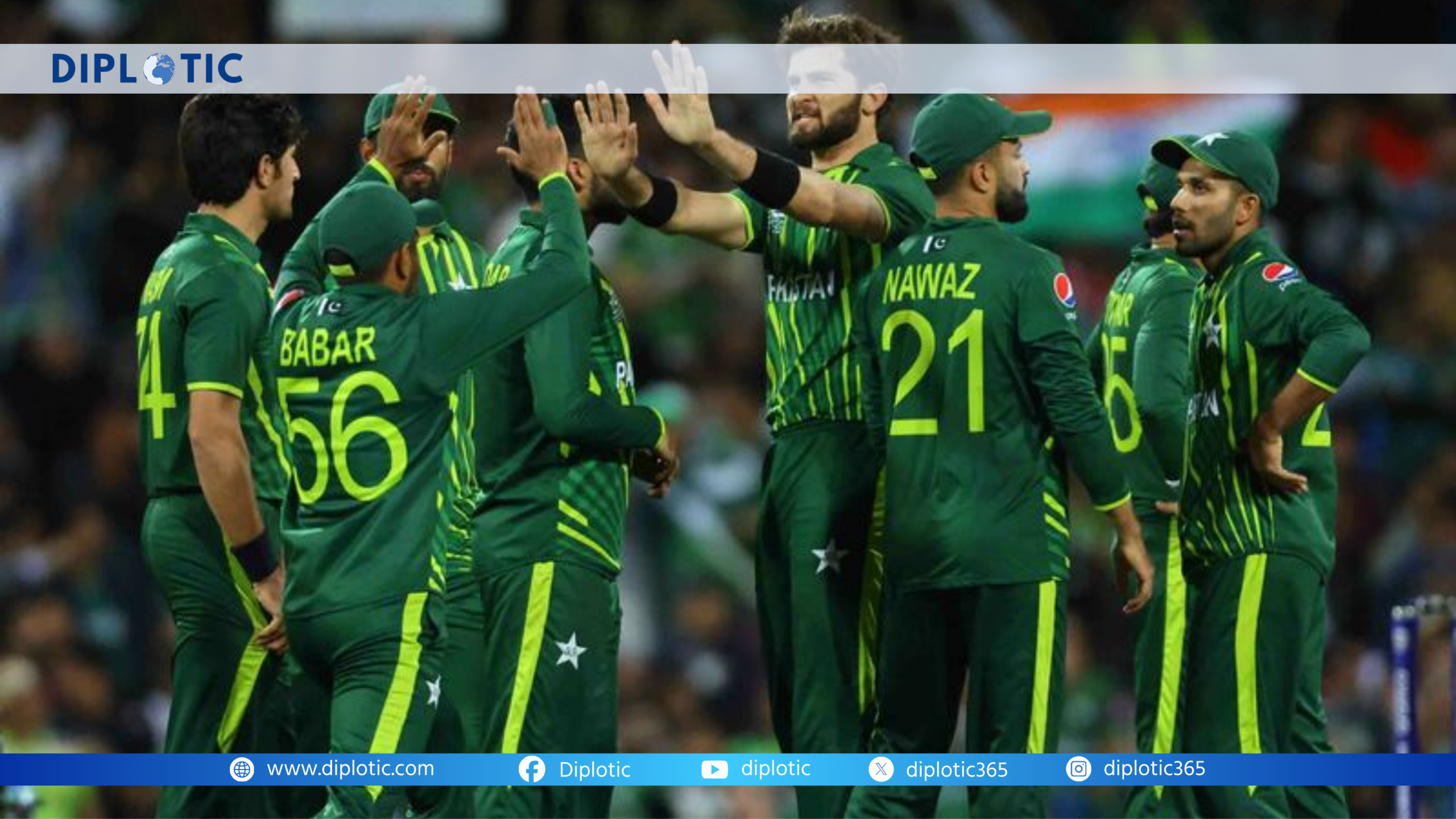
Pakistan’s exit from the T20 World Cup 2026 Super 8 stage on February 28, 2026, ended a campaign that promised much but delivered heartbreak. Despite a strong win over Sri Lanka in their final group match, the team failed to qualify for the semi-finals due to an inferior net run rate. Salman Ali Agha’s side posted 212/8, powered by a record 176-run opening stand between Sahibzada Farhan (100) and Fakhar Zaman (84), yet Sri Lanka chased down enough runs to push Pakistan out. The defeat came after earlier setbacks—a washout against New Zealand and a loss to England—leaving Pakistan needing a massive margin victory to overtake New Zealand’s net run rate. This early elimination raises questions about tactical choices, middle-order fragility, and what comes next for a proud cricket nation that has not won an ICC trophy since 2009. With the team heading home amid fan disappointment and calls for change, the tournament exit offers lessons on preparation, execution, and the fine margins that decide success in modern T20 cricket.
How Did the Super 8 Match Against Sri Lanka Unfold?
Pakistan needed to win by at least 64 runs to surpass New Zealand’s net run rate of +1.390 and secure a semi-final spot. After losing the toss and being sent in to bat, they made a bold decision: dropping former captain Babar Azam to open with Sahibzada Farhan and Fakhar Zaman. The move paid off initially. The pair added 176 runs—the highest opening stand in T20 World Cup history—setting a platform for a big total. Farhan’s century and Fakhar’s aggressive 84 gave Pakistan momentum, and they reached 212/8 in 20 overs.
Defending that score required restricting Sri Lanka to 147 or fewer. Early wickets brought hope, but dew made bowling difficult, and Sri Lanka’s middle order fought back. Captain Dasun Shanaka played an unbeaten 76 off 31 balls, guiding his team past the required mark in the 16th over. Sri Lanka finished at 207/6, ensuring Pakistan’s elimination regardless of the final result. The match ended in a five-run win for Pakistan, but the margin was meaningless for qualification.
The defeat highlighted recurring issues. The middle order collapsed after the openers, unable to accelerate when needed. Bowling struggled against dew, and fielding errors proved costly. Salman Ali Agha later pointed to the toss and dew as major factors, noting that batting first was always going to be tough. The result left Pakistan with three points, same as New Zealand, but a negative net run rate of -0.123 sealed their fate.
What Tactical and Selection Decisions Hurt Pakistan’s Campaign?
Several choices came under scrutiny. Dropping Babar Azam for the Sri Lanka match was a gamble that initially worked but left the middle order exposed. The team relied heavily on the top order, with lower-middle contributions remaining inconsistent throughout the tournament. Salman Ali Agha’s captaincy drew mixed reviews: aggressive in some games, cautious in others. The decision to bowl first when dew was a factor proved costly in earlier matches.
Selection issues also played a part. The squad balanced experience with youth, but the blend did not always click. Key bowlers lacked penetration in the death overs, and fielding lapses hurt momentum. Preparation was affected by domestic scheduling and player availability. The absence of a consistent finisher and a reliable spinner in the middle overs left gaps that stronger teams exploited.
The tournament exposed broader challenges. Pakistan’s T20 record has been inconsistent since 2022, with early exits in major events. The reliance on individual brilliance rather than team balance has been a recurring theme. The Super 8 loss to England and the washout against New Zealand meant Pakistan entered the final match under immense pressure, needing perfection to advance.
How Has the Exit Impacted Players, Fans, and the PCB?
The elimination triggered immediate reactions. Fans expressed disappointment online and in the streets, with some calling for a full review of selection and coaching. Players showed visible frustration after the Sri Lanka match, aware that a stronger performance could have changed the outcome. Salman Ali Agha defended the effort but acknowledged the dew and toss as decisive factors.
The Pakistan Cricket Board now faces tough decisions. Questions about Salman Ali Agha’s captaincy, the role of senior players, and the need for a new direction will dominate discussions. The board may look at coaching changes, selection policies, and domestic T20 league improvements to rebuild. The loss also affects morale ahead of upcoming series and the next major event.
Public sentiment is mixed. Many supporters praised the fight shown in the Sri Lanka win, while others criticized tactical conservatism and middle-order weakness. The defeat ends Pakistan’s campaign early, leaving fans to watch the semi-finals and final without their team. It also highlights the fine margins in T20 cricket: one over, one decision, or one partnership can separate success from elimination.
What Comes Next for Pakistan Cricket After the World Cup Exit?
The immediate focus is on reflection and reform. The PCB will likely conduct a thorough review, examining selection, strategy, fitness, and mental preparation. Salman Ali Agha’s future as captain remains uncertain, with calls for fresh leadership. Senior players may face questions about form and role, while young talents like Sahibzada Farhan will get more chances to build on their performances.
Domestic cricket needs attention. The Pakistan Super League and National T20 Cup must produce more all-rounders and finishers. Infrastructure, coaching, and talent identification programs should receive priority to close gaps with top teams. International series in the coming months offer chances to test changes and regain confidence.
Globally, Pakistan remains a force in T20 cricket, with passionate fans and skilled players. The exit is a setback, not a collapse. Lessons from 2026—aggressive intent, better dew management, stronger middle order—can guide improvement. The next major tournament is an opportunity to show growth.
Pakistan’s T20 World Cup 2026 exit connects high expectations to harsh realities. A strong win over Sri Lanka was not enough due to net run rate, exposing issues in middle-order consistency, bowling under dew, and tournament preparation. The campaign showed promise but fell short in key moments. Moving forward, the PCB must address tactical, selection, and structural challenges to rebuild. Fans remain loyal, and the talent pool is deep. The loss is painful, but it can fuel progress. With honest review and bold changes, Pakistan can return stronger. The future depends on learning from this disappointment and turning it into motivation. As the team reflects and prepares for what comes next, the hope is that the next chapter brings the success the nation craves.




