

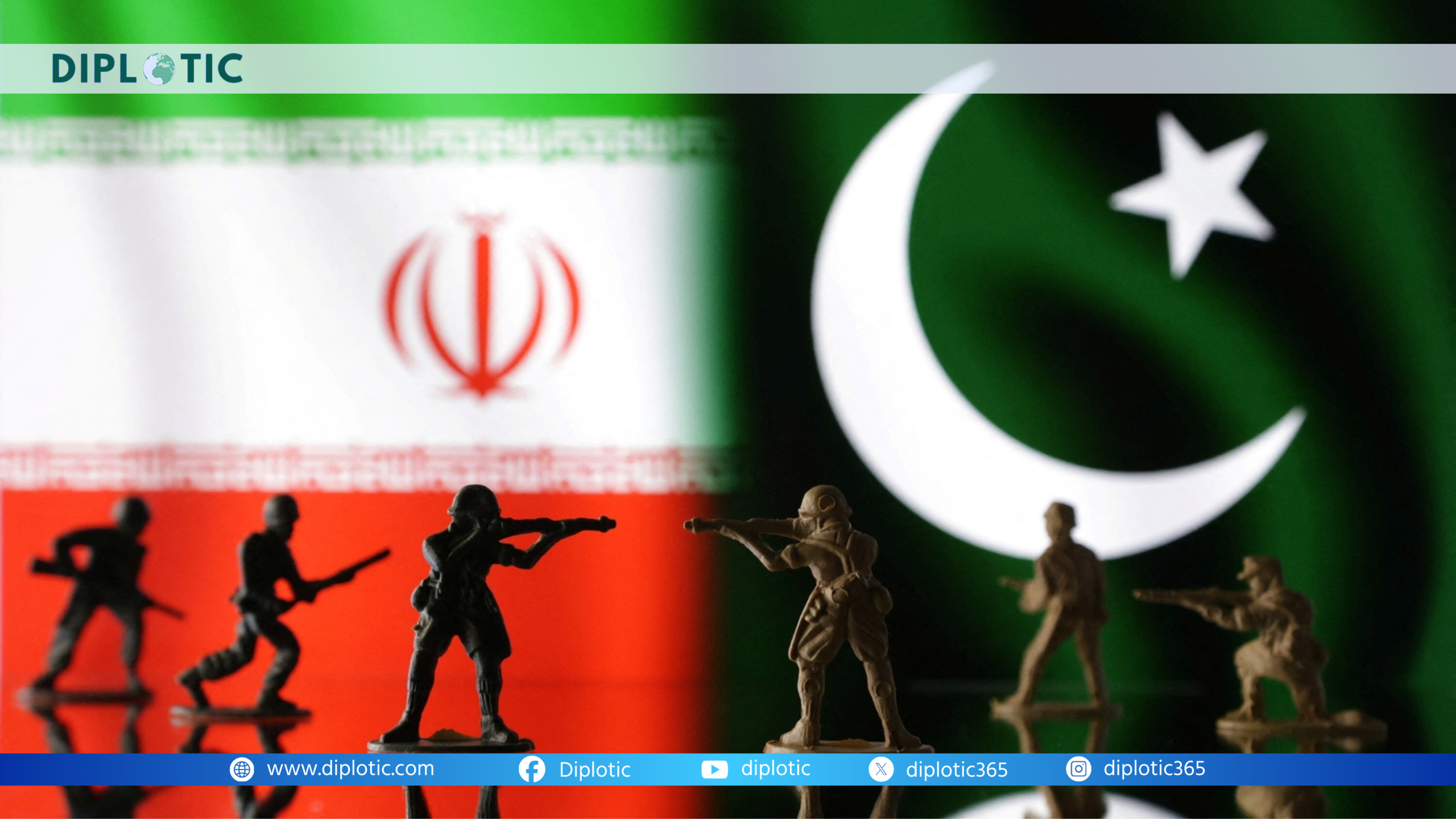
As the US-Israeli war against Iran intensifies, Pakistan faces a complex challenge: how to navigate regional rivalries while managing growing domestic unrest. The conflict has spread across the Gulf and Lebanon, placing Islamabad under increasing pressure to take a position. Historically, Pakistan has acted as a mediator in Middle Eastern disputes, including China’s recent attempts to ease tensions between Saudi Arabia and Iran. That neutral posture is now being tested in ways that threaten both Pakistan’s foreign relations and domestic stability.
The country is already stretched by multiple security challenges. Along its western border, the Taliban insurgency in Afghanistan remains a persistent threat. In the southwest, Balochistan continues to experience unrest, while Khyber Pakhtunkhwa faces regular militant attacks. Simultaneously, tensions with India remain high over Kashmir and other strategic issues. Any escalation linked to the Iran war could exacerbate these problems, making the government’s response a delicate balancing act.
Following the killing of Iranian Supreme Leader Ayatollah Ali Khamenei during early US-Israeli strikes, Pakistan issued a cautious statement expressing “concern” rather than condemning the attack outright. By contrast, Islamabad quickly condemned Iranian missile and drone strikes targeting Gulf countries. Analysts say this reflects the tightrope Pakistan is walking: trying to maintain relations with both Tehran and Riyadh while avoiding direct involvement in a larger war.
A complicating factor is Pakistan’s deepening ties with the United States under former President Donald Trump, who has come to view Islamabad as a key adviser on Iran. Pakistan’s army chief, Asim Munir, has reportedly earned Trump’s trust, described as a “favourite field marshal” in diplomatic and military discussions. Islamabad’s involvement in the Trump administration’s Gaza plan and other regional initiatives has positioned Pakistan as a strategic partner, but it has also drawn criticism at home.
Domestic Pressure and Regional Risks
The government’s careful diplomacy has not gone unnoticed domestically. Many Pakistanis view the country’s alignment with the US and its tacit support for Saudi interests as a betrayal of national and regional solidarity. Intellectuals, former diplomats, and journalists have openly criticized Pakistan for what they see as a timid stance, urging the leadership to stay out of Middle Eastern conflicts entirely. Public frustration has risen over events like the US consulate shooting in Karachi, where protesters were killed and Pakistan’s officials were slow to condemn the actions of US marines.
The risk of domestic unrest is particularly acute in Shia-majority areas, where temporary curfews have already been implemented. Citizens are angry over both the Iran conflict and Pakistan’s muted response, with some observers warning that social tensions could spill into broader protests or violence. This pressure underscores the difficulty of balancing foreign policy ambitions with domestic security needs.
At the same time, Pakistan’s commitments to regional allies increase the stakes. Following Iran’s missile and drone attacks on Saudi Arabia, the country’s foreign minister highlighted the risk of being drawn into conflict due to the defense pact with Riyadh. Pakistan has sought to temper these tensions, but the strategy requires careful diplomacy. Any perceived inaction could harm its credibility with Gulf partners, while overcommitment could entangle the country in a war it cannot afford.
Strategic Uncertainty and Geopolitical Calculus
The Iran conflict also intersects with Pakistan’s broader regional security environment. Indian Prime Minister Narendra Modi’s recent visit to Israel has reshaped the defensive calculus, intensifying Islamabad’s concerns about encirclement. Meanwhile, ongoing tensions along the Afghanistan border and unresolved conflicts in Kashmir create a layered security challenge that leaves little room for error.
Strategists argue that Pakistan’s current approach—issuing statements of “concern” or “solidarity”—reflects both caution and indecision. Prime Minister Shehbaz Sharif’s measured remarks attempt to avoid provoking either Iran or Saudi Arabia while maintaining the country’s ties with the United States. Yet critics warn that fence-sitting is increasingly unsustainable. Analysts like Umer Karim suggest that repeated attempts to please all sides could result in “irreparable reputational damage,” eroding Pakistan’s influence and credibility in the region.
The situation highlights the broader tension between strategic alliances and domestic legitimacy. Pakistan cannot ignore its obligations to Gulf allies without risking diplomatic fallout, but aggressive alignment with foreign powers risks inflaming domestic opinion. Public outrage over regional conflicts, combined with ongoing internal instability, means the government must consider both external and internal pressures simultaneously.
Balancing Diplomacy and Domestic Stability
Pakistan’s challenge is twofold: it must navigate external pressures from major powers and regional partners while maintaining internal order. The country’s foreign policy is being tested as never before, with Tehran, Riyadh, Washington, and domestic constituencies all exerting competing demands.
Maintaining neutrality—or at least the appearance of balance—requires careful messaging. Pakistan’s leadership has emphasized concern and solidarity in statements, attempting to reassure both sides without committing to military action. Simultaneously, security measures, including roadblocks near diplomatic missions and temporary curfews, indicate the government is preparing for potential domestic unrest.
Yet neutrality has its limits. Regional actors may interpret cautious statements as weakness, while domestic constituencies may perceive them as betrayal. The government’s ability to walk this tightrope will depend on clear strategic planning, rapid diplomatic engagement, and robust management of internal security risks. Failure on any front could have serious consequences, from escalating diplomatic isolation to internal instability.
The Road Ahead for Pakistan
Pakistan’s position in the Iran conflict illustrates the complexity of modern diplomacy in a multipolar world. The country is navigating alliances with the United States and Saudi Arabia, maintaining historical ties with Iran, managing internal insurgencies, and countering tensions with India—all at once. Its decisions in the coming weeks will have lasting implications for its regional role and domestic stability.
The real test is whether Pakistan can avoid being drawn into a larger conflict while maintaining credibility with its allies. Observers note that the longer Islamabad delays a clear strategy, the more it risks both domestic unrest and international criticism. At the same time, a miscalculated intervention could entangle the country in a wider regional war, straining its military and political resources.
Ultimately, Pakistan’s challenge reflects a broader truth about small and medium-sized states in volatile regions: neutrality is difficult, and strategic missteps carry significant costs. How Islamabad balances these competing pressures in the coming weeks will determine not only its diplomatic standing but also the stability and security of the country itself.
The question remains: can Pakistan maintain its delicate balance, or will the pressures of geopolitics and domestic unrest force it to pick a side? The answer may shape not only Islamabad’s future but also the regional dynamics of the Middle East and South Asia for years to come.




