

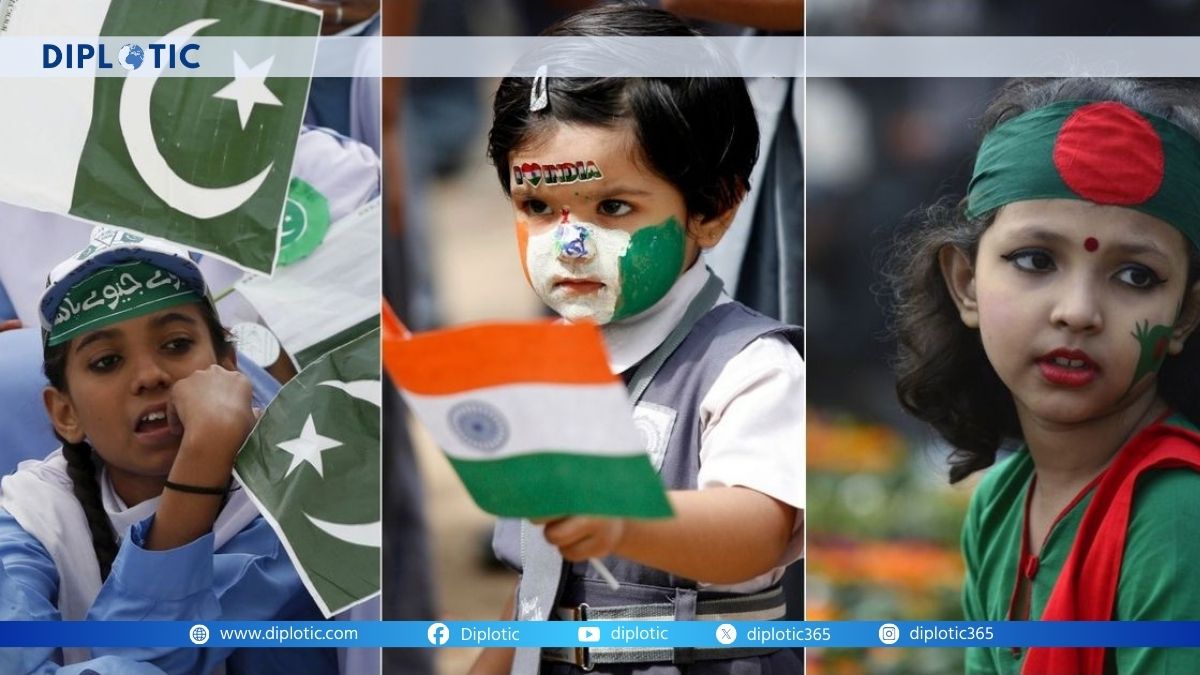
A Rapid Reset in Regional Ties
In the bustling diplomatic corridors of South Asia, a quiet but significant shift is underway. Reports from December 2025 indicate that Pakistan and Bangladesh are advancing toward a mutual defence agreement, modeled on Islamabad’s recent Strategic Mutual Defence Agreement (SMDA) with Saudi Arabia—signed in September 2025, committing both to treat aggression against one as against both.

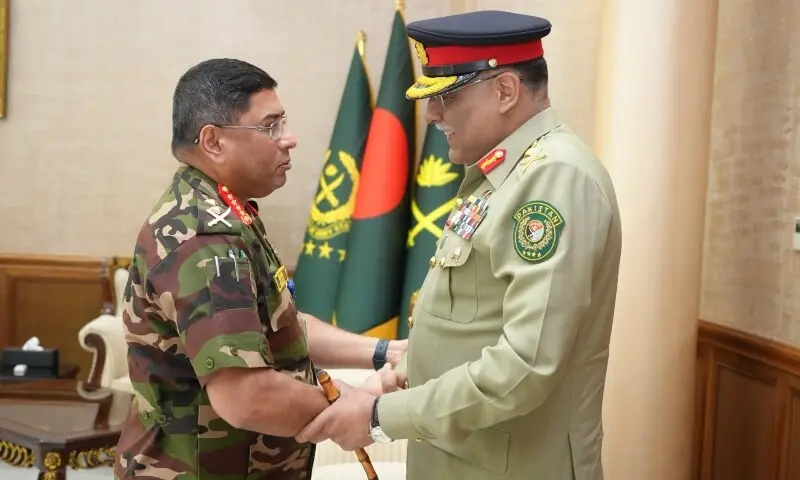
Bangladesh’s military leaders, according to diplomatic sources, drive the initiative, with joint mechanisms drafting terms amid frequent high-level visits. This follows a thaw after Sheikh Hasina’s August 2024 ouster, when Pakistan quickly engaged Muhammad Yunus’s interim government. Military exchanges—army, navy, air force chiefs meeting—have yielded MoUs on training and exchanges. Progress awaits Bangladesh’s elections, but momentum builds.
This rapprochement revives ties strained since 1971, contrasting cooled India-Bangladesh relations. For Pakistan, it expands defence diplomacy (eight countries reportedly interested). For Bangladesh, it diversifies partners beyond India. Yet New Delhi watches warily: a pact could enable militant safe havens, threaten northeast security, or complicate two-front scenarios.

As maps highlight the geographic squeeze—Bangladesh flanking India’s east—the proposal underscores fluid alliances in a tense neighborhood.
————————————————————
The Post-Hasina Thaw: Military Visits and Growing Engagement
Relations froze for decades under Hasina, India-aligned and Pakistan-wary. Her fall opened doors: Pakistan welcomed Yunus’s government early, voicing solidarity.
2025 saw acceleration. High-level visits: Pakistan’s CJCSC General Sahir Shamshad Mirza in October; navy chief Admiral Naveed Ashraf in November; Heavy Industries Taxila head Lt Gen Shakir Ullah Khattak discussing upgrades.
Bangladeshi officers reciprocated, attending Pakistan events. MoUs covered training, exchanges; proposals include JF-17 jets, Fatah rockets, tank modernizations.
Reported ISI cell in Dhaka High Commission—post-Mirza visit, staffed by officers—signals intelligence coordination, per Indian sources. Joint Bay of Bengal monitoring discussed.
This mirrors Pakistan’s Saudi model: collective security, training, equipment. Eight nations eye similar pacts, boosting Islamabad’s profile.
For Dhaka, diversification reduces India dependence; for Islamabad, eastern foothold counters encirclement.
————————————————————
The Saudi Model: What a Similar Pact Could Look Like
Pakistan’s September 2025 SMDA with Saudi Arabia—signed amid Middle East tensions post-Israel strikes—commits mutual defence: aggression against one equals both. It formalizes longstanding ties, including Pakistani training/deployment in Kingdom, potentially extending nuclear umbrella hints.
Bangladesh seeks comparable scope: strategic coordination, joint response to threats, military aid. Draft via joint mechanism; final post-elections.
Not full NATO Article 5, but binding deterrence. For Bangladesh, bolsters against regional pressures; Pakistan gains ally flanking India.
Progress steady: multiple leadership rounds this year. Elections delay signature, but momentum post-Hasina clear.
————————————————————
India’s Concerns: Security Risks and Strategic Shifts
New Delhi views developments alarmingly. Primary fear: Bangladesh as Pakistan proxy base for northeast insurgency or Kashmir militants (LeT, JeM staging attacks, retreating).
Experts like Subir Bhaumik warn of dragged conflict benefiting Pakistan. Shanthie Mariet D’Souza highlights northeast implications—insurgent routes, radicalization.
ISI cell raises red flags: potential terror grooming, per reports. Ajit Doval flagged to Bangladeshi counterpart.
Broader: two-front threat revival; Bangladesh nuclear umbrella extension worries.
Ties deteriorated post-Hasina: extradition refusal, minority attacks, border issues.
India monitors, urges restraint; concerns radicalization rise.
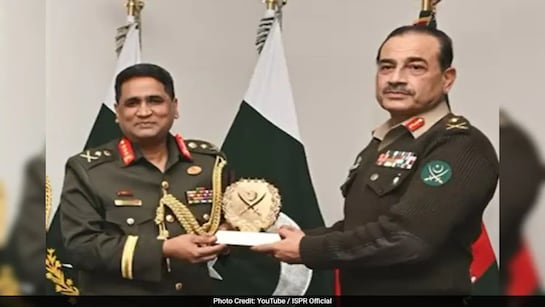
ISI officials symbolize intelligence deepening.
————————————————————
Conclusion: A Changing South Asian Balance
Pakistan-Bangladesh warming—visits, MoUs, proposed pact—marks post-Hasina realignment. Modeled on Saudi deal, it promises mutual security, training, leverage.
For parties, diversification and diplomacy gains. For India, encirclement fears, terror risks, northeast vulnerability.
As drafts advance and elections near, pact could reshape dynamics—testing India’s Neighbourhood First amid rivals’ outreach. In fluid region, this eastern pivot reminds: alliances shift swiftly, with ripple effects enduring. Vigilance, dialogue key to stability.




