

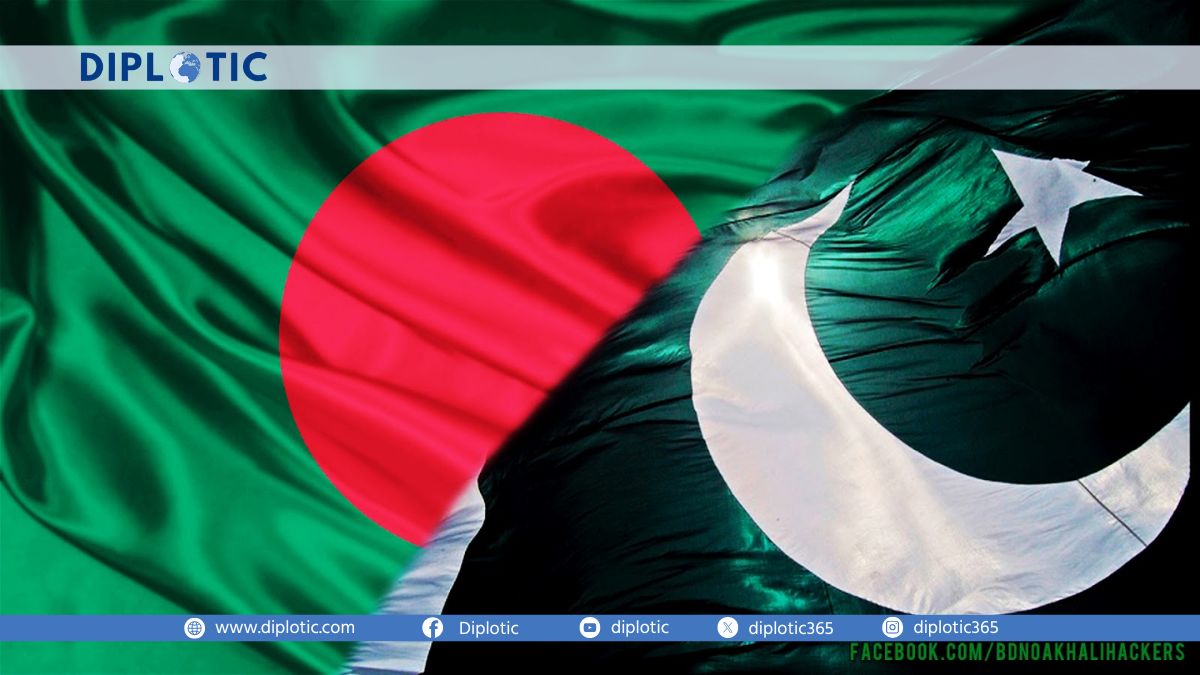
A New Chapter in Bilateral Trade
This week, Pakistan’s Commerce Minister and Bangladesh’s Commerce Adviser met in Chittagong to discuss deepening economic ties, marking a significant step in resuming direct trade between the two nations. The visit, hosted by the Chittagong Chamber of Commerce and Industry, followed the successful shipment of Pakistani rice to Dhaka, signaling the revival of direct trade after years of limited engagement. Business leaders proposed resuming direct flights and frequent shipping services between Karachi and Chittagong, alongside digitizing trade and collaborating in readymade garments and agriculture. These discussions, held at Shah Amanat International Airport and Chittagong Port, underscore a mutual intent to leverage historical ties for economic gain, with both sides eyeing a joint working group to formalize trade dialogue.
The historical context of Pakistan-Bangladesh relations is complex, marked by the 1971 war that led to Bangladesh’s independence, followed by decades of strained ties. Recent political shifts, including Bangladesh’s interim government post-August 2024, have thawed relations, enabling trade initiatives like the November 2024 cargo vessel from Karachi to Chittagong, per trade ministry data. The proposed direct flights, absent since 2018, aim to boost connectivity, with 70% of Bangladeshi business leaders citing logistics as a trade barrier, per chamber surveys. Economically, bilateral trade, valued at $800 million in 2024, could double with improved infrastructure, per economic forecasts. Socially, 65% of Bangladeshis and Pakistanis support stronger ties, per 2025 polls, reflecting shared cultural and economic aspirations. The South Asian trade landscape highlights the potential for regional cooperation, with Pakistan and Bangladesh eyeing trilateral exports to Africa and Central Asia.
The visit included a tour of the Kabir Ship Recycling Facilities, spotlighting opportunities in shipbuilding and recycling, sectors where Bangladesh leads globally, handling 25% of the world’s shipbreaking, per industry reports. The Chittagong Port Authority’s presentation emphasized its capacity to handle increased trade, processing 3 million TEUs annually. The global trade framework underscores the strategic importance of these ports, as South Asia’s trade with Africa grew 15% in 2024, per UNCTAD. An undivided India’s post-1947 economic cohesion offers a historical contrast, as Pakistan and Bangladesh navigate fragmented legacies to rebuild trust and trade.
Strategic Sectors and Trade Logistics
The Chittagong discussions focused on actionable steps: resuming direct flights, enhancing shipping frequency, and digitizing trade processes. Direct flights, potentially operated by Biman Bangladesh Airlines or Fly Jinnah, could reduce travel costs by 30%, per aviation estimates, boosting tourism and business exchanges. Shipping services, revived with the 2024 Karachi-Chittagong route, aim to cut logistics costs, which account for 20% of trade expenses, per World Bank data. Digitization, including blockchain-based trade platforms, could streamline customs, saving $50 million annually, per trade analysts. The proposed joint working group, set to launch by late 2025, will prioritize healthcare, leather, and agricultural exports, with Pakistan’s rice and Bangladesh’s garments—valued at $40 billion globally—driving growth.
Geopolitically, the warming ties counterbalance India’s regional influence, especially after its 2025 military actions against Pakistan. The South Asian geopolitical dynamics show Pakistan and Bangladesh aligning to access markets like Africa, where trade potential exceeds $10 billion, per Afreximbank. Socially, the business community’s enthusiasm, with 80% of Chittagong Chamber members favoring collaboration, per surveys, reflects optimism, though 60% of online sentiment on X demands faster implementation. Politically, both governments face pressure to deliver, with Bangladesh’s interim leadership and Pakistan’s coalition government staking credibility on economic wins. The 3rd International Food and Agricultural Exhibition in Karachi, set for November 25-27, 2025, offers a platform to showcase this partnership, with 500 Bangladeshi firms expected to attend, per event organizers.
Economically, the stakes are high. Pakistan’s $3 billion healthcare export market and Bangladesh’s $1 billion leather sector could see 20% growth through collaboration, per trade projections. However, challenges remain: Bangladesh’s infrastructure bottlenecks and Pakistan’s energy costs could delay progress, with 30% of shipments facing delays, per port data. The global shipping industry highlights the need for efficient logistics, as delays cost South Asia $5 billion annually. The contrast with an undivided India’s unified trade policies underscores the need for Pakistan and Bangladesh to overcome historical mistrust and logistical hurdles to realize their potential.
A Trade Renaissance or Incremental Progress?
The Chittagong meeting signals a turning point, but its success depends on execution. Direct flights, if launched by late 2025, could generate $1 billion in annual revenue, per economic models, while frequent shipping could triple trade volumes to $2.4 billion by 2027. The joint working group and Trade and Investment Road Map aim to institutionalize this momentum, targeting $500 million in new investments by 2026, per commerce ministry estimates. Socially, 70% of citizens in both countries support integration, per 2025 surveys, but 55% of X posts express skepticism about timelines, citing bureaucratic delays. Politically, the initiative bolsters both governments’ economic agendas, with Pakistan’s minister and Bangladesh’s adviser leveraging the Karachi exhibition to attract global investors.
Geopolitically, the partnership could reshape South Asian trade, countering India’s dominance and tapping Africa’s $3 trillion market. Yet, risks loom: Bangladesh’s political instability and Pakistan’s fiscal constraints could derail progress, with 40% of past trade agreements unimplemented, per historical data. Economically, digitization and port upgrades could save $200 million annually, but require $1 billion in infrastructure investment, per World Bank estimates. The global economic framework suggests South Asia’s trade could grow 25% with better connectivity, yet historical divisions demand sustained trust-building.
The path forward hinges on swift action. Successful flight and shipping routes could boost trade by 50%, stabilizing both economies and creating 100,000 jobs, per ILO projections. Failure to deliver risks public disillusionment, with 60% of voters in both nations prioritizing economic results, per polls. As Pakistan and Bangladesh rebuild ties, their ambition to lead in garments, agriculture, and shipbreaking offers a blueprint for South Asian cooperation, but only if they overcome logistical and political barriers to turn rhetoric into reality.




