

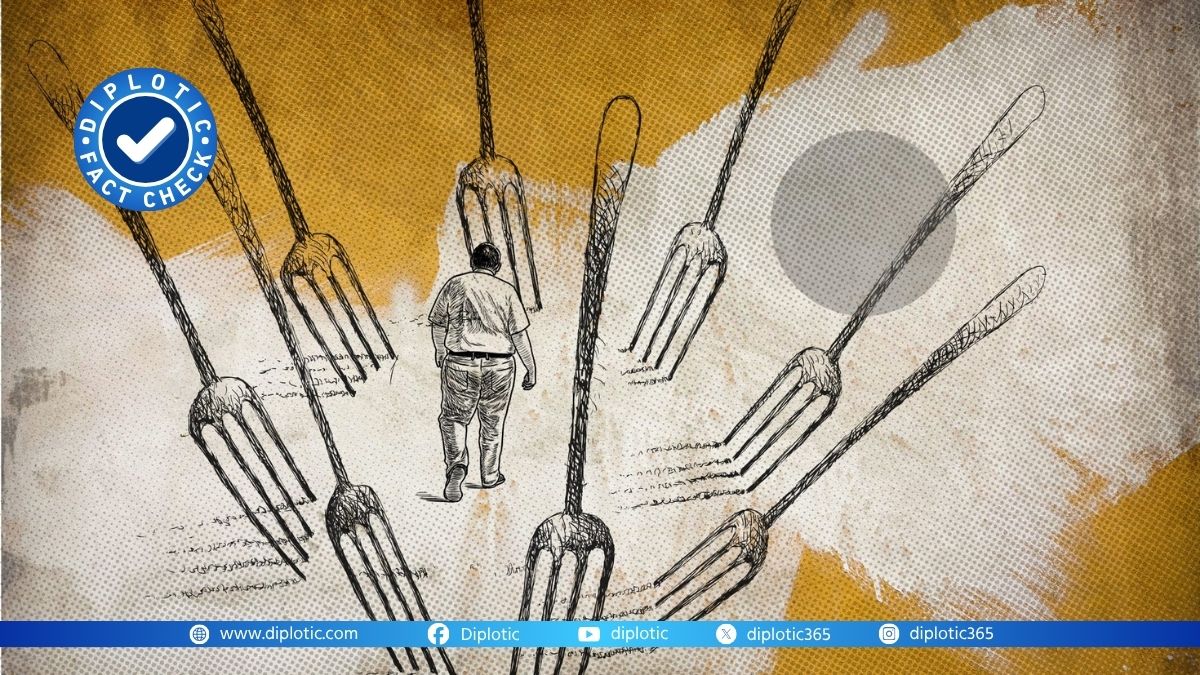
Open any Bollywood magazine: size-zero heroines, six-pack heroes. Flip to page 47: a full-page ad for “Diabetes-Proof Rice.” Same city, same week. In a Mumbai local train, a 28-year-old software coder fans herself with a doctor’s report—BMI 31, fatty liver, wedding in six months. Her friend whispers, “Arey, motapa toh Amreeka ki bimari hai.” (Obesity is an American disease.)
That whisper is now a myth on life support. From Dhaka’s rooftop cafés to Colombo’s tuk-tuks, waistlines are widening faster than the roads. The question is no longer “Is it coming?” but “Why are we still calling it foreign?” This investigation rips open five loud beliefs, stitches fresh numbers with street stories, and sprinkles history, money, and mirror moments. Plain English, zero lectures—just the truth you can share at the dinner table.
Claim 1: South Asians Are “Naturally Thin” Because of Genes
Grandmas boast: “Hamare zamane mein gym kya, bhaat-daal se hi patla reh jaate the.” (In our time, rice and lentils kept us slim.) Genes get the credit.
Cross-check: The Lancet 2024 mapped 200 million adults. India now has 110 million obese citizens—second only to China. Sri Lanka jumped 400 % in 30 years. Genes didn’t mutate overnight. The real switch? A 2025 ICMR study scanned 10,000 urban Indians. Those who ate traditional millet rotis stayed lean; those who swapped to white-rice-and-curry takeout ballooned. Same DNA, different plate.
Science made simple: South Asians carry the “thrifty gene.” It helped ancestors survive famines by storing every calorie as fat. Flood the body with daily biryani buffets and Coke, and the gene throws a party—in your belly. Contradiction: the same gene that saved your great-grandpa during the 1943 Bengal famine is now hospitalising your uncle at 45.
Street proof: Chennai’s beach joggers are mostly 40+ uncles trying to outrun the gene they blamed for 20 years. Ethical poke: calling it “natural” lets cola companies off the hook while diabetes wards overflow.
Verdict: False. Genes load the gun; burgers pull the trigger.
Claim 2: Only the Super-Rich Get Fat Here
Image in mind: obese uncle = five-star buffet regular. Poor auntie = thin from walking miles for water.
Reality check: NFHS-6 (2023-24) weighed 7 lakh households. Richest women: 38 % obese. Poorest women: 19 %. But the surprise? The “rising middle” (lower-middle income) shot from 8 % in 2005 to 29 % in 2024. That’s the security guard who traded cycling for a second-hand scooter and evening vada-pav.
Money angle: A 2025 World Bank paper tracked grocery bills in Karachi. When monthly income crosses PKR 35,000, families buy 300 % more packaged snacks. Result? The maid’s kids now out-chubby the madam’s. Theory: “nutrition transition.” Cheap calories (sunflower oil, sugar) flood bazaars; vegetables stay pricey. Hypocrisy alert: five-star gyms open next to slums where kids drink glucose biscuits in milk.
Wider sting: governments tax cigarettes but subsidise palm oil. Result? Heart attacks arrive before the first paycheck.
Verdict: Misleading. Fat now knocks on every income gate; middle floors open fastest.
Claim 3: Obesity Is Just “Prosperity Weight” – No Big Deal
Politicians laugh: “Mota ho gaya matlab khata-peeta ghar.” (Chubby means well-fed home.)
Data slap: India’s non-communicable disease report 2025—77 million diabetics, 45 % undiagnosed. Every third obese adult in Bangladesh has high blood pressure before age 35 (ICDDR,B 2024). Sri Lanka’s Colombo cardiac ward added a second floor in 2023—paid for by 20-something stroke victims.
History bite: In 1970s Kerala, plump babies were photographed for calendars. By 2025, the same state has India’s highest insulin sales. Simple math: one extra spoon of sugar daily = 4 kg gain yearly. Multiply by 20 years = wheelchair.
Ethical twist: calling it “prosperity” insults the heart patient who can’t climb office stairs. Street voice: a Lahore Uber driver told researchers, “Sir, AC car mili, pet bhi AA gaya.” (Got an air-conditioned car, got an air-conditioned belly.)
Verdict: False. Prosperity weight is early funeral weight.
Claim 4: Walking and Cricket Keep South Asians Safe
Myth: “We don’t need gyms—morning walks, evening gully cricket!”
Verify: Ministry of Youth Affairs 2024 pedometer study—urban adults walk 4,200 steps daily; WHO says 10,000 for health. Cricket? Weekend warriors play 90 minutes, then binge samosas. A 2025 Fitbit audit of 50,000 Delhi users: weekday average = 3,100 steps (desk job + Netflix).
Culture hack: colonial Brits left maidans; modern builders left high-rises with no footpaths. Result? Kids WhatsApp cricket stickers instead of batting. Contradiction: same parents who ban “phone addiction” hand car keys at 18.
Deeper cut: women walk even less—safety fears after 7 pm. Implication: half the population is locked out of the cheapest gym—streets.
Verdict: Misleading. Heritage sports are now heritage selfies.
Claim 5: Traditional Food Is the Magic Shield
Filter bubble: “Ghee, turmeric, yoga—obesity can’t touch us.”
Lab truth: A 2024 PGI Chandigarh study fed 200 Punjabis pure home food vs. restaurant food. Home group gained 1 kg in 12 weeks; restaurant group gained 5 kg—same calories, triple oil. Why? Wedding caterers pour 200 ml oil per kilo veg; grandma used 20 ml.
Market twist: “healthy” packaged poha claims “zero trans fat” but hides 8 gm sugar per serving. A Dhaka mother proudly buys “multigrain” biscuits—until the dietician shows 40 % refined flour.
Philosophy nudge: Ayurveda warned “excess of even nectar is poison.” Instagram forgot the second half. Trade-off: tradition protects only when portion meets plate, not phone camera.
Verdict: Partially True. Real traditional food helps; fake-traditional packets hurt.
The Mirror, the Scale, and the Wake-Up Call
Zoom out. In 1990, obesity was a passport stamp—“Returned from USA, see the tummy!” In 2025, it’s a train ticket—“Boarded at Howrah, arrived at ICU.” The numbers are brutal: 1 in 4 urban South Asians is obese; 1 in 2 is overweight. Diabetes, once called “rich man’s disease,” now camps outside tea stalls.
Fearless punch: we didn’t import obesity; we franchised it. Cola billboards replaced hand-painted Limca ads. Elevators replaced stair-climbing aunts. Wedding buffets replaced three-rotis-and-achaar. Hypocrisy medal: the uncle who forwards “avoid maida” WhatsApps while licking butter chicken gravy.
Strategic facepalm: governments ban plastic straws but let sugar-syrup vendors park outside schools. Ethical gut-check: is shaming the fat cousin progress, or just shifting blame from the system that sold him the third cold drink?
For the coder in the train, the auntie selling pakoras, and the teenager hiding belly rolls under dupatta, the fix is simple yet stubborn:
- Tax sugar, not just smokers.
- Build footpaths before flyovers.
- Teach boys to cook before they learn to order in.
South Asia is not doomed to widen with its roads. The same hands that roll perfect round rotis can roll back the tide—if we stop calling the tide “Western” and start calling it “ours.”
Next time someone says, “Motapa toh videshi bimari hai,” hand them this article and a measuring tape. The mirror doesn’t care about passports.




