

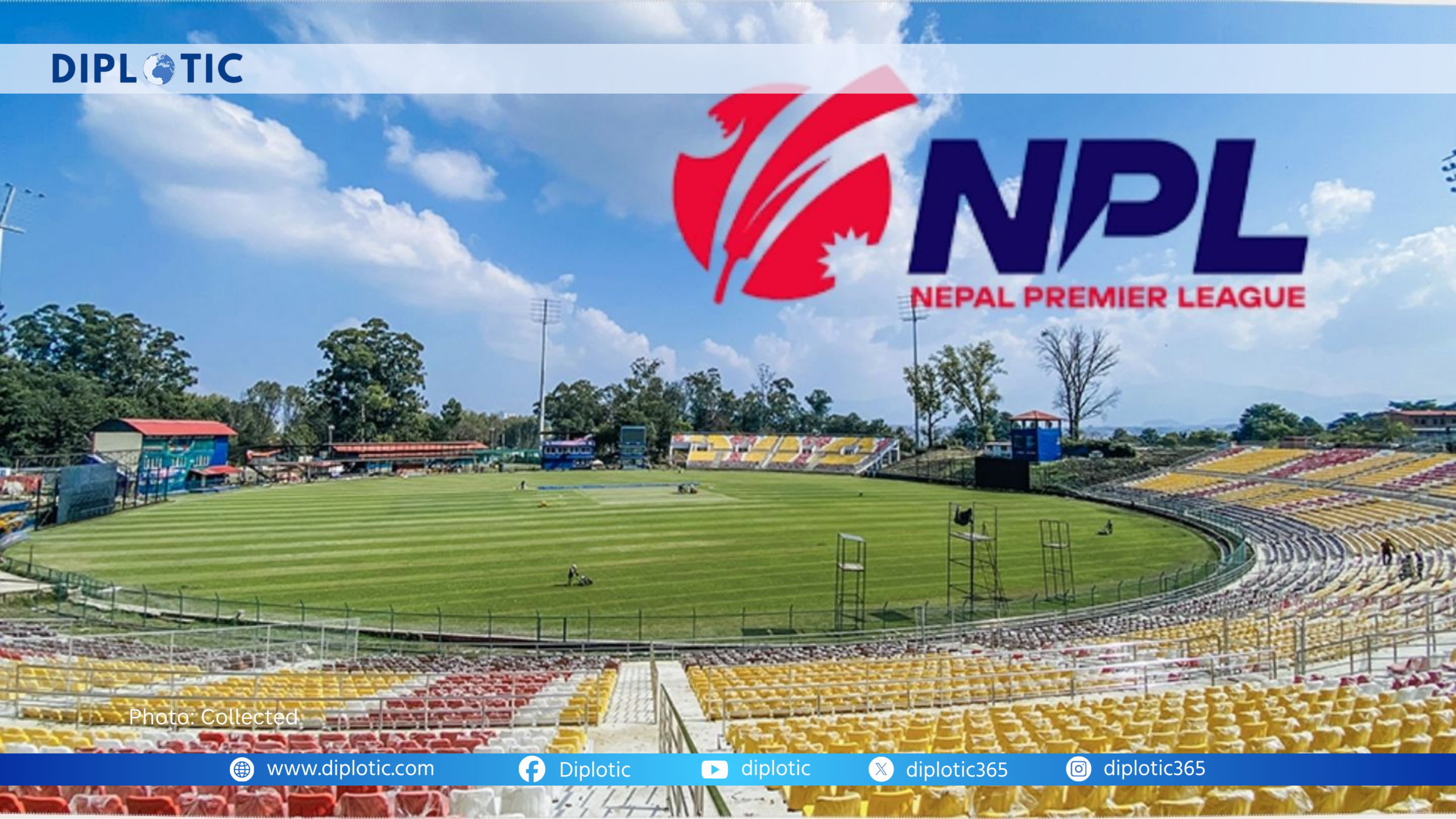
Nepal’s Premier League (NPL), a professional Twenty20 cricket tournament, wrapped up late last year at Tribhuvan University’s cricket ground in Kirtipur. The league drew large crowds, filled stadiums quickly, and brought sponsors to scoreboards in a way the country had rarely seen. For many, it felt like proof that Nepal could turn sports into a real economic force. Vendors sold flags and snacks outside the gates, young people found temporary jobs, and fans cheered for provincial teams with fresh pride. Yet beneath the excitement, questions remain. Did the NPL create sustainable income and opportunities, or was it mostly a short-term spectacle? Vendors scraped by with small profits, some drivers improvised side businesses that authorities later shut down, and the event relied heavily on one venue. As Nepal looks to build on this momentum, the league’s impact offers lessons about turning sports passion into lasting growth. The story of the NPL connects high hopes to everyday realities, showing both promise and limits in a country hungry for progress through sports.
What Made the Nepal Premier League Feel Like a Breakthrough?
The NPL stood out because it brought big crowds and energy to a sport that had long struggled for consistent attention in Nepal. Tickets sold out online in minutes, and fans gathered outside hoping for last-minute seats. The atmosphere changed Kirtipur’s evenings, with lights, music, and cheers filling the air. For journalist Binod Pandey, the league did more than entertain—it helped people feel ownership over their provinces. In a federal system where local pride often takes time to build, supporting teams from different regions created a sense of belonging that crossed age and background lines.
Sponsors invested heavily, and new brands joined in, many that had never backed sports before. Commentator Avash Ghimire saw this as a sign of growing confidence: domestic money started flowing into cricket as a serious business opportunity. The league’s reach went beyond the stadium. Online views climbed into billions, and provincial teams sparked local conversations. Fans wore team colors, followed matches closely, and felt part of something larger. This excitement filled a gap left by years without large-scale events that united people.
The tournament also highlighted Nepal’s potential in cricket. Players showed skill, and the format kept games fast and engaging. For a country where sports often lack infrastructure, the NPL offered a glimpse of what organized leagues could achieve. It drew attention from sponsors and media, raising the profile of Nepali cricket on a regional stage. Yet this success came with questions about depth. The league relied on one main ground, limiting reach outside Kathmandu Valley. While it created buzz, the economic benefits appeared uneven, concentrated among a few while many others saw only temporary gains.
Who Benefited from the League’s Temporary Economic Boost?
Outside the stadium, an informal economy sprang up around the matches. Vendors like 19-year-old Sandesh Dubaju sold Nepal flags for 150 rupees each, keeping about 100 rupees profit. On good days, he sold 15 to 20, earning a decent amount for his age. Others, like pani puri seller Sunita Shrestha, pushed carts to the grounds hoping for crowds. She found business slower than expected, making around 2,000 rupees on strong days. Binod Kathayat, a ride-sharing driver, saw an opportunity in helmet storage for fans arriving on motorcycles. He and friends charged for safe keeping, earning well on match days until authorities stopped the practice. They switched to a tea stall, showing quick adaptation.
These stories show how the NPL created pockets of income. Young people found ways to earn, even if only for the season. Some profits flowed back into grassroots efforts, like local tournaments. Yet the gains stayed small and temporary. Vendors faced police pressure, inconsistent crowds, and no formal support. For many, it felt like the same old hustle—energetic but fragile. The league brought visibility and pride, but it did not change the deeper limits young Nepalis often face, such as family pressures or the need to look abroad for work.
Inside the stadium, opportunities looked different. Players, staff, and event managers gained experience in management, broadcasting, and logistics. These skills could build a new generation of sports professionals. Yet the structure remained tied to the Cricket Association of Nepal (CAN), creating dependence rather than independence. Without separate governance, the league risks staying an event rather than an industry. The temporary nature of jobs and income outside the gates highlights a gap: while the NPL sparked hope, it did not yet provide stable paths for those who need them most.
What Limits Keep the Sports Economy from Growing Stronger?
Several factors hold back broader growth. The league depends heavily on one venue, the Tribhuvan University ground, which seats around 10,000 and is expanding to 25,000-30,000. This centralization restricts regional engagement and local sponsorship. Expansion brings concerns too: students nearby worry about noise, traffic, and waste affecting campus life. Using university land for a national stadium raises questions about priorities when academic facilities need investment.
CAN’s role adds uncertainty. As both regulator and operator, it limits independence. Commentators argue for a separate league body with its own CEO and operations to build long-term stability. Without this, the NPL may remain vulnerable to administrative changes. Economic circulation stays modest—estimates put total spending at around 100 crore NPR per season, with franchises and CAN sharing costs and revenue. While promising, it falls short of a full industry scale.
Government policy lags. Sports lack formal recognition as an industry, missing tax incentives, funding, and protections. This leaves growth uneven and open to risks. The reliance on one event means benefits concentrate in Kathmandu, leaving other regions behind. Infrastructure gaps, such as more grounds and better facilities, slow expansion. These limits show why the NPL’s energy has not yet turned into widespread, lasting economic change.
What Steps Could Help Nepal Build a Stronger Sports Economy?
Progress is possible with focused changes. First, creating an independent league body would allow professional management and growth. CAN could shift to regulation, freeing the NPL to focus on expansion. Second, spreading venues beyond Kirtipur would engage more regions, attract local sponsors, and distribute income. Third, government recognition of sports as an industry could bring policy support, including incentives for investment and job creation.
Grassroots leagues and youth programs offer a foundation. The NPL’s success has inspired city-level competitions, which could feed talent and fans. Investing in these would build depth. Partnerships with international bodies could bring expertise and funding, while keeping benefits local. Addressing venue concerns through better planning would balance sports growth with community needs.
These steps require coordination among government, CAN, and private players. The NPL showed demand exists—crowds, sponsors, and pride prove it. Turning that into a sustainable economy needs structure, inclusion, and long-term vision.
Nepal’s Premier League connects early promise to bigger questions about sports and economy. It brought crowds, sponsors, and pride, creating temporary opportunities and glimpses of potential. Yet for many on the ground, gains stayed small and short-lived. Limits like one venue, dependence on CAN, and lack of policy support keep growth in check. With thoughtful changes—independent governance, regional spread, and official backing—the league could help build a stronger sports economy. The path forward depends on moving beyond spectacle to create lasting value for players, workers, and fans. If Nepal acts on these lessons, the NPL could mark the start of real change rather than a brief high point. The coming years will show whether this energy leads to lasting progress.




