

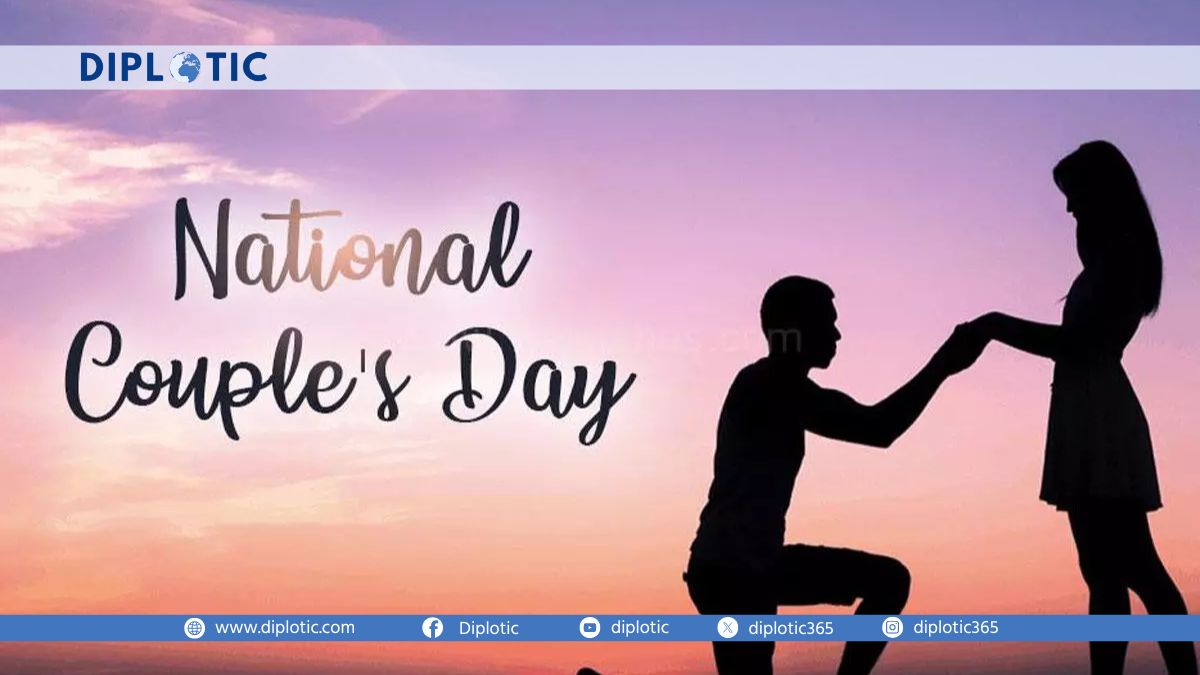
The Celebration That Nobody Can Quite Pin Down
Every year, social media erupts with heart emojis, hashtags, and carefully curated posts for “National Couple Day.” Yet ask ten people about its actual date—or its historical origin—and you’ll likely get ten different answers. Unlike Valentine’s Day, which traces its lineage to centuries of ritual and documented religious traditions, National Couple Day exists in a hazy space where internet culture, consumerism, and modern romantic ideals converge.
Some say it’s observed on August 18, others argue for August 30, and a few insist it can be celebrated multiple times. This confusion alone reveals much about how modern “holidays” are less about fixed tradition and more about constructed cultural practices amplified by digital platforms.
Myths and Manufactured Tradition
One popular myth is that National Couple Day has deep roots in Western history, supposedly linked to medieval customs of courtly love. However, careful examination reveals no evidence of such a holiday in the annals of European festivities. Instead, what emerges is a pattern of retroactively assigning historical gravitas to newly minted occasions—a phenomenon not unique to this holiday. Much like how Mother’s Day was reshaped by commercialization, National Couple Day has been popularized through marketing and meme culture rather than organic cultural memory.
The myth-making serves a function: it offers legitimacy. If people believe a celebration has “always existed,” they are more likely to adopt it sincerely. In this sense, the myths surrounding National Couple Day function less as historical fact and more as instruments of social cohesion and online identity performance.
Reality in the Digital Age
The truth is that National Couple Day is a creation of the internet era, a patchwork of trends that have solidified only in the last decade. Its primary engine of growth has been social media, where visibility itself becomes a form of cultural validation. Unlike older traditions anchored in seasonal cycles or religious observances, this day thrives on algorithms, hashtags, and the desire for digital affirmation.
Analysts note that these observances often reflect consumerist impulses as much as emotional ones. Brands capitalize on them to sell couple-oriented products, while individuals leverage them to craft a certain online persona. In that sense, the holiday is less about couples themselves and more about how love is performed in the attention economy.
Yet, there is also an undeniable sincerity to the way many people celebrate. As experts suggest, the very act of designating a day for couples—even if born of digital invention—offers an opportunity for people to reaffirm commitment in a fast-paced world.
Why It Matters Anyway
Dismissing National Couple Day as “fake” misses the point. Cultural traditions have always been invented at some point. What matters is not their ancient pedigree, but their ability to capture meaning in the present. For young people, this celebration offers a symbolic anchor, a ritual moment carved out of the otherwise chaotic churn of online life.
Just as ancient societies invented rites to mark transitions of life and love, today’s digital communities craft their own. National Couple Day may not have centuries of history behind it, but in its myths, its confusions, and its rituals of posting and tagging, it reflects something deeply human: the need to make love visible, to affirm it collectively, and to enshrine it—even fleetingly—in cultural memory.




