

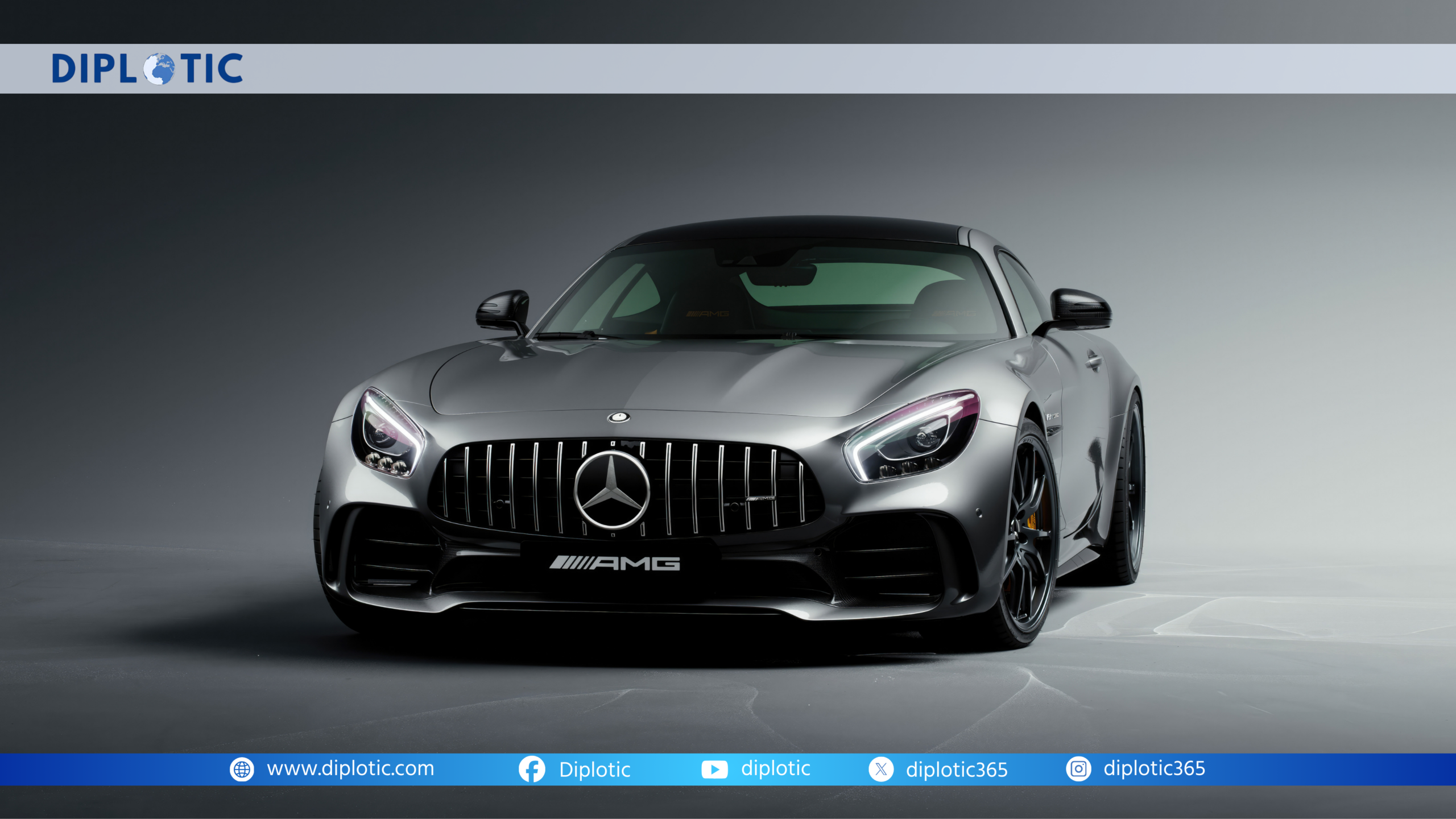
Mercedes-Benz India announced a voluntary recall of 149 vehicles in February 2026, covering specific models sold between 2019 and 2024. The action affects certain units of the C-Class, E-Class, GLC, and GLE due to a potential issue with the emergency call (eCall) system. The company stated that a software fault could prevent the automatic emergency call from connecting properly in the event of a serious crash. No accidents or injuries have been linked to this problem in India, and the recall is precautionary. The move follows similar actions in other markets and reflects the brand’s focus on maintaining safety standards across its fleet. For owners, the recall raises practical questions: how to check if a vehicle is affected, what the fix involves, and whether there are any risks in continuing to drive until the repair is done. With the process already underway through authorized dealerships, understanding the details helps affected customers take the right steps quickly and safely.
Which Models and Years Are Included in the Recall?
The recall covers 149 vehicles across four model lines. The affected range includes:
- C-Class (W206) produced between 2021 and 2023
- E-Class (W213 facelift and W214) from 2019 to 2024
- GLC (X253 facelift and X254) from 2020 to 2023
- GLE (W167) from 2019 to 2022
Not all units within these year ranges are involved—only those with a specific software version in the communication module. Mercedes-Benz India has contacted registered owners directly through SMS, email, and registered post, providing the vehicle identification number (VIN) and instructions. Owners can also verify their status by entering the VIN on the official Mercedes-Benz India website or by calling the national customer assistance center.
The issue stems from a software bug in the eCall control unit. In rare crash scenarios where the vehicle loses battery power immediately after impact, the system might fail to send the automatic distress signal to emergency services. Manual calls through the SOS button or mobile phone remain fully functional. The company emphasized that no other safety systems—brakes, airbags, stability control—are affected.
How Will the Repair Process Work for Affected Owners?
Mercedes-Benz India has arranged for the update to be carried out free of charge at authorized dealerships. The fix involves a software upgrade to the communication module, which takes about 45 minutes to one hour. No hardware replacement is required. Owners do not need to pay for labor, parts, or any related costs.
To schedule the service, customers should contact their nearest dealership using the details provided in the recall notice or check the Mercedes-Benz India website for the workshop locator. The company has stated that appointments are being prioritized for affected vehicles, and loaner cars are available at many dealerships if the service cannot be completed in a single visit. Owners who have already sold their vehicle should inform the current registered owner and notify Mercedes-Benz so the recall notice can be forwarded.
The process is designed to minimize inconvenience. Dealerships have been instructed to handle recall work outside peak hours where possible and to offer flexible scheduling. For customers in remote areas, some dealerships are coordinating with mobile service teams to reduce travel. The company has assured that parts and trained technicians are already in place across its network.
What Broader Context Surrounds This Recall in India?
This is not the first recall Mercedes-Benz India has issued in recent years. Similar actions have addressed issues ranging from airbag sensors to fuel system components, reflecting global standards that require manufacturers to act when potential safety risks are identified. In India, the recall process is governed by the Central Motor Vehicles Rules and overseen by the Ministry of Road Transport and Highways. Manufacturers must notify the government and customers within a specified timeframe, and non-compliance can lead to penalties.
The eCall issue is part of a wider trend in the automotive industry. As vehicles become more connected, software-related recalls have increased globally. The European eCall mandate, which requires automatic emergency calls in all new cars since 2018, has led to similar updates in several brands. In India, while eCall is not yet mandatory, many premium vehicles include the feature as standard, making reliability a priority for manufacturers.
For Mercedes-Benz, the recall is relatively small in scale—149 units compared with thousands in some global campaigns—but it underscores the brand’s commitment to maintaining trust in a competitive luxury market. The company has emphasized transparency and customer support throughout the process.
What Should Owners Do Next, and What Does This Mean Going Forward?
Owners of the affected vehicles should check their VIN immediately on the Mercedes-Benz India website or contact their dealership to confirm eligibility. If included, schedule the software update at the earliest convenience; there is no immediate safety risk in driving the vehicle, but completing the repair ensures the emergency system works as intended.
This recall connects to larger patterns in the automotive world: as cars rely more on software and connectivity, proactive updates become a regular part of ownership. For Mercedes-Benz customers in India, the process is straightforward and cost-free, reflecting the brand’s approach to safety responsibilities. For the industry, it serves as a reminder that even small technical issues must be addressed swiftly to maintain consumer confidence.
The Mercedes-Benz recall of 149 vehicles in India is a routine but important safety measure focused on the eCall system. By acting quickly and transparently, the company aims to prevent any potential problems before they arise. Owners should respond promptly to notifications and take advantage of the free service. As vehicles grow more advanced, recalls like this one become a normal part of ensuring reliability and peace of mind. For those affected, the process is simple; for everyone else, it is a useful reminder of how manufacturers and regulators work to keep roads safer in an increasingly connected automotive landscape.




